

Nobody warns you about this part of retirement. You plan for the money, you dream about the mornings, and then, somewhere in the second or third year, you look up and realize that half the people you used to talk to every single day have quietly vanished. No argument. No falling out. Just a slow, polite fade. That slow fade is one of the hardest parts of friendships after retirement.
At first I took every one of those losses personally. When friendships after retirement start thinning out, it is easy to assume you have become dull, or difficult, or simply not worth the effort anymore. I spent a miserable few months turning that question over before I finally saw the pattern underneath it.
Most of those friendships were never really held together by affection alone. They were held together by a place, a routine or a shared complaint, and when work ended, the scaffolding came down with it. Here are the 9 friendships that quietly end after retirement, and why letting them go with grace might be the kindest thing you ever do for yourself.
A Few Honest Truths First
Before we walk through the nine, here are the truths that made the whole subject easier for me to bear. None of them blames anyone, and that is exactly the point. They explain why friendships after retirement can fade so quietly, without blame on either side.
- Name the role, not the person: Ask what actually held the friendship together, a workplace, a routine, a shared grievance, before you blame yourself or them.
- Do not chase every fading tie: Some friendships were built for one season of life, and seasons are allowed to end without anyone being the villain.
- Spend energy where it returns: Your time and warmth are precious now. Invest them in the people who call back, show up and ask how you are.
- Make one new friend on purpose: A class, a club or a volunteer shift grows new roots far faster than reviving old ones ever will.
1. The Break Room Friend Who Belonged to the Building

Photo by Felicity Tai on Pexels
For eleven years, Carol and I had coffee together nearly every working day. We knew each other’s orders, each other’s moods, each other’s grandchildren’s names. When I retired, we promised faithfully to keep it up, and we meant it. We met twice. Then the messages thinned, and by Christmas there was nothing left but a card.
The hard truth is that our friendship lived in that break room. It was real, but it was rooted in proximity, in the daily accident of being in the same place at the same hour. Remove the building and the timetable, and there was simply not enough underneath to carry it across town. That is how easily friendships after retirement can fade, even when the affection was real.
Gentle reminder: A friendship that needed a workplace to survive was not a failure. It was a workplace friendship, and it did its job beautifully for as long as it lasted.
2. The Mentee Who Could Not Become an Equal

Photo by Felicity Tai on Pexels
Every office has one, the younger colleague you guided, defended and quietly promoted whenever you could. The bond feels deep because it is built on gratitude and trust. But it rests on a ladder, and retirement takes the ladder away.
Without your seniority, the relationship has to be rebuilt between equals, and that is harder than it sounds. She is busy climbing. You are busy learning how to stop. Many mentor friendships do not end in anger. They end because neither person quite knows what to be to the other anymore. It is one of the quieter losses in friendships after retirement.
Gentle reminder: If a former mentee drifts, let them go with your blessing. The help you gave was never a loan, and it does not need repaying in visits.
3. The Ally I Only Ever Bonded With Over Complaints

Photo by Felicity Tai on Pexels
There is a special warmth in having someone to complain with. The impossible manager, the new software, the meeting that should have been an email. My work ally and I were magnificent at it, a two woman support group with excellent comic timing.
But complaint was our whole vocabulary. Once I left, I had nothing to report from the battlefield, and she had no interest in my garden, my grandchildren or my quiet new mornings. We tried lunch twice and sat there like colleagues from different companies, because in a way, we were. It is a common way friendships after retirement quietly end.
Gentle reminder: Shared grievances feel like intimacy, but they are only shared weather. When the weather changes, do not be surprised that the conversation ends.
4. The Friend Who Is Still Working Flat Out
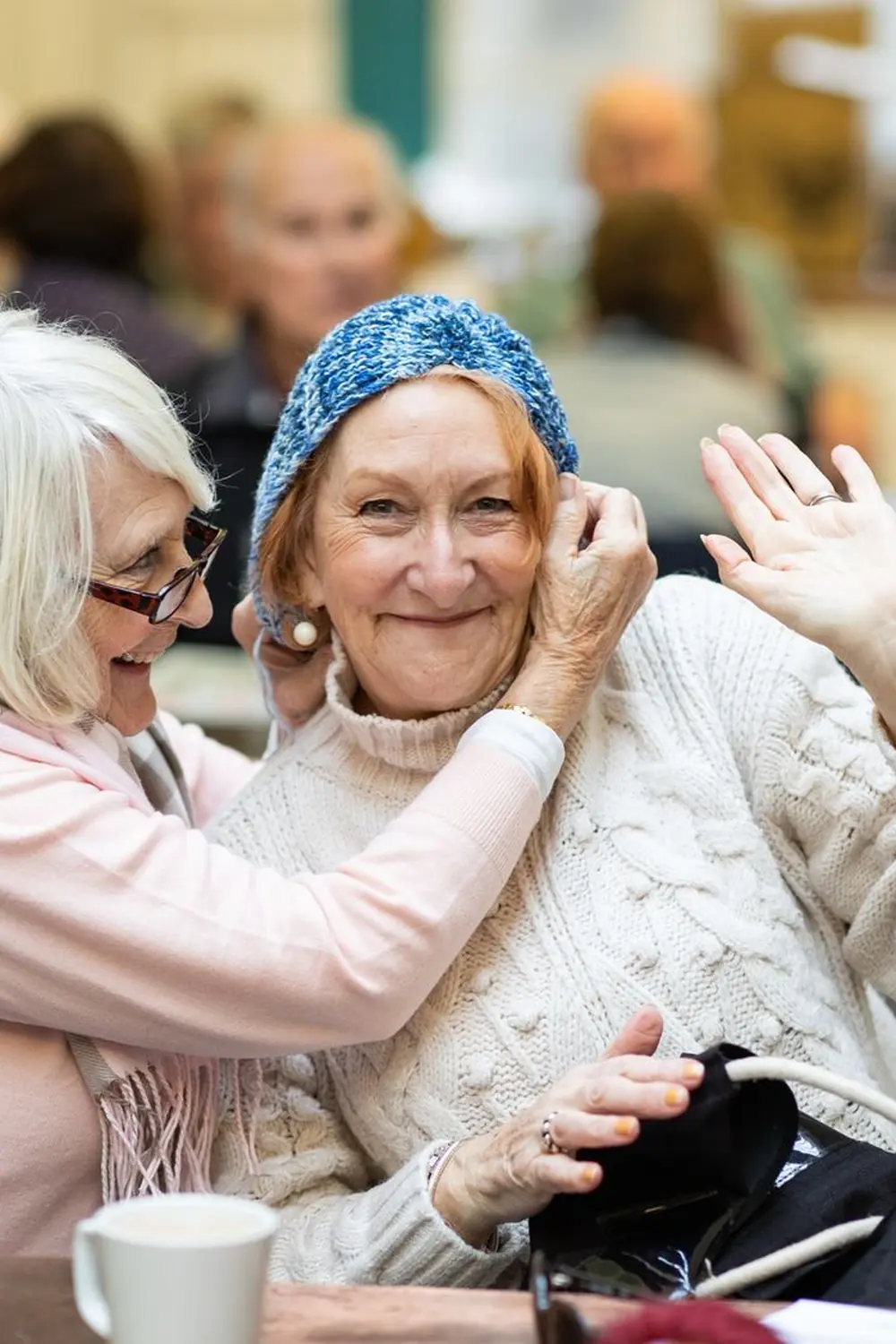
Photo by Centre for Ageing Better on Pexels
This one hurts in a particular way, because nothing is wrong. She still works full time, still answers messages at midnight, still cancels our coffee dates for deadlines. Meanwhile my Tuesday is wide open and hers does not exist. We are not drifting apart in feeling. We are living in different countries of time.
I stopped issuing invitations she had to refuse, because every refusal made us both feel guilty. Now I send warmth without logistics, a photograph, a joke, a thinking of you, and we take our rare coffees as the treats they are instead of tests the friendship keeps failing. It is a quiet test for friendships after retirement, and for the patience on both sides.
Gentle reminder: Lower the frequency, not the affection. A friendship on a slower clock is still a friendship, and hers may speed up again when her own retirement comes.
5. The Friend Whose Spending Left My Budget Behind
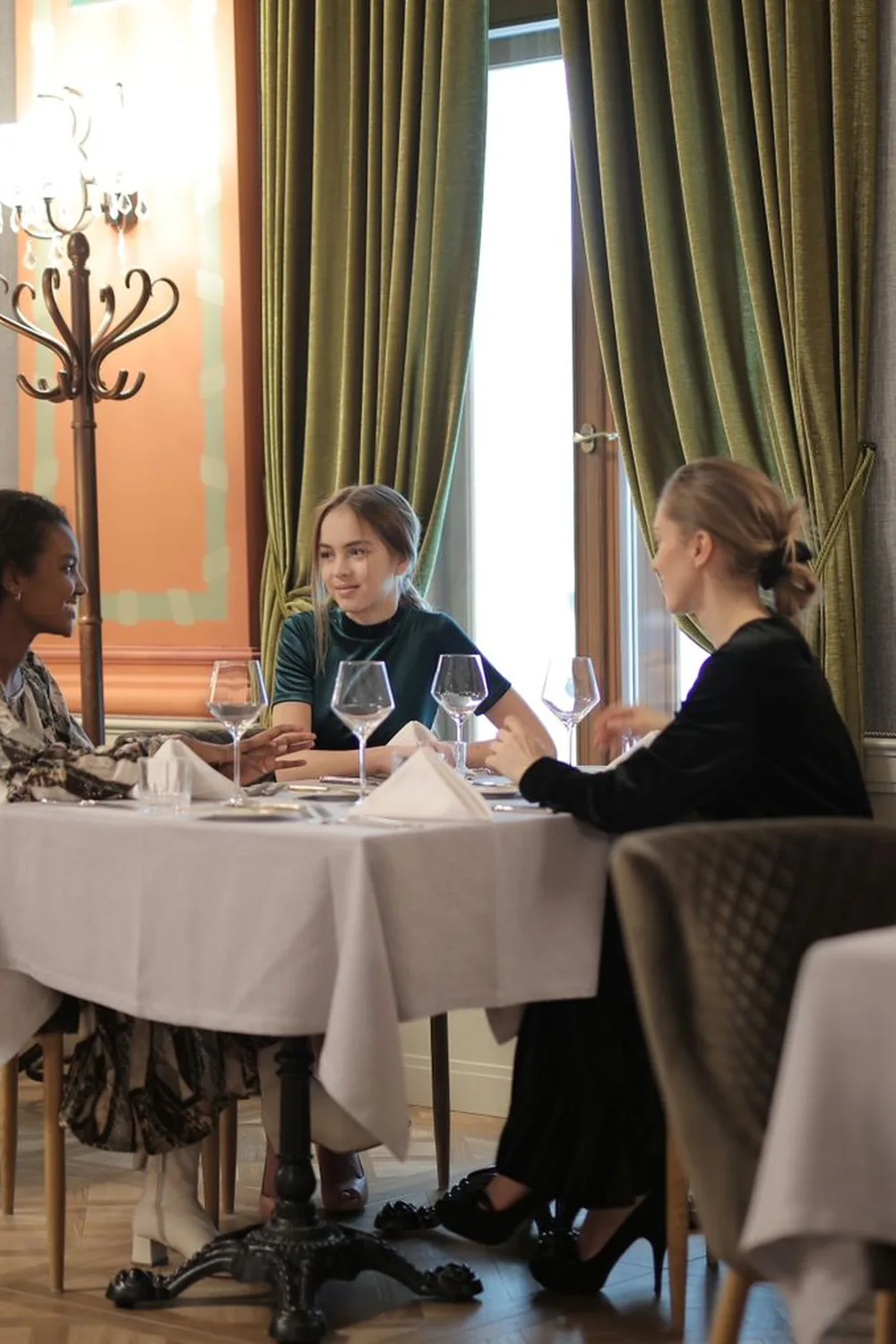
Photo by Andrea Piacquadio on Pexels
While I was earning, the expensive lunches and weekend trips were easy to say yes to. On a pension, they are not. My friend means no harm. She simply plans her social life the way she always has, in restaurants with small menus and large bills, and I found myself choosing between embarrassment and absence.
I chose absence, quietly, the way most of us do. It was not really about money. It was about the slow discomfort of living at different speeds. Some of these friendships survive a honest conversation about cheaper pleasures. Ours did not, and I have made my peace with that too. Money is one of the quiet pressures on friendships after retirement.
Gentle reminder: Try one honest sentence before you disappear. Suggest the walk, the market, the coffee at home. The friends who adjust were friends. The rest were dining companions.
6. The Weekend Only Friend I No Longer Had Energy For

Photo by Sóc Năng Động on Pexels
Retirement rearranges your week in a way working friends never quite understand. My weekends stopped being sacred the moment my Tuesdays became free, and honestly, my energy changed too. The late dinners and crowded Saturday plans that once felt like treats began to feel like shifts.
So I started declining, and declining has a rhythm of its own. Three noes in a row and the invitations simply stop arriving. I do not blame her. I chose my quieter pace, and the friendship was priced in a currency of late nights and busy rooms that I no longer carry. That slower pace is part of how friendships after retirement change, not a failure of them.
Gentle reminder: Protect your pace without apology, but offer an alternative before you decline. A weekday walk keeps more friendships alive than a reluctant Saturday ever will.
7. The Book Club Friend Who Was Really an Activity Friend
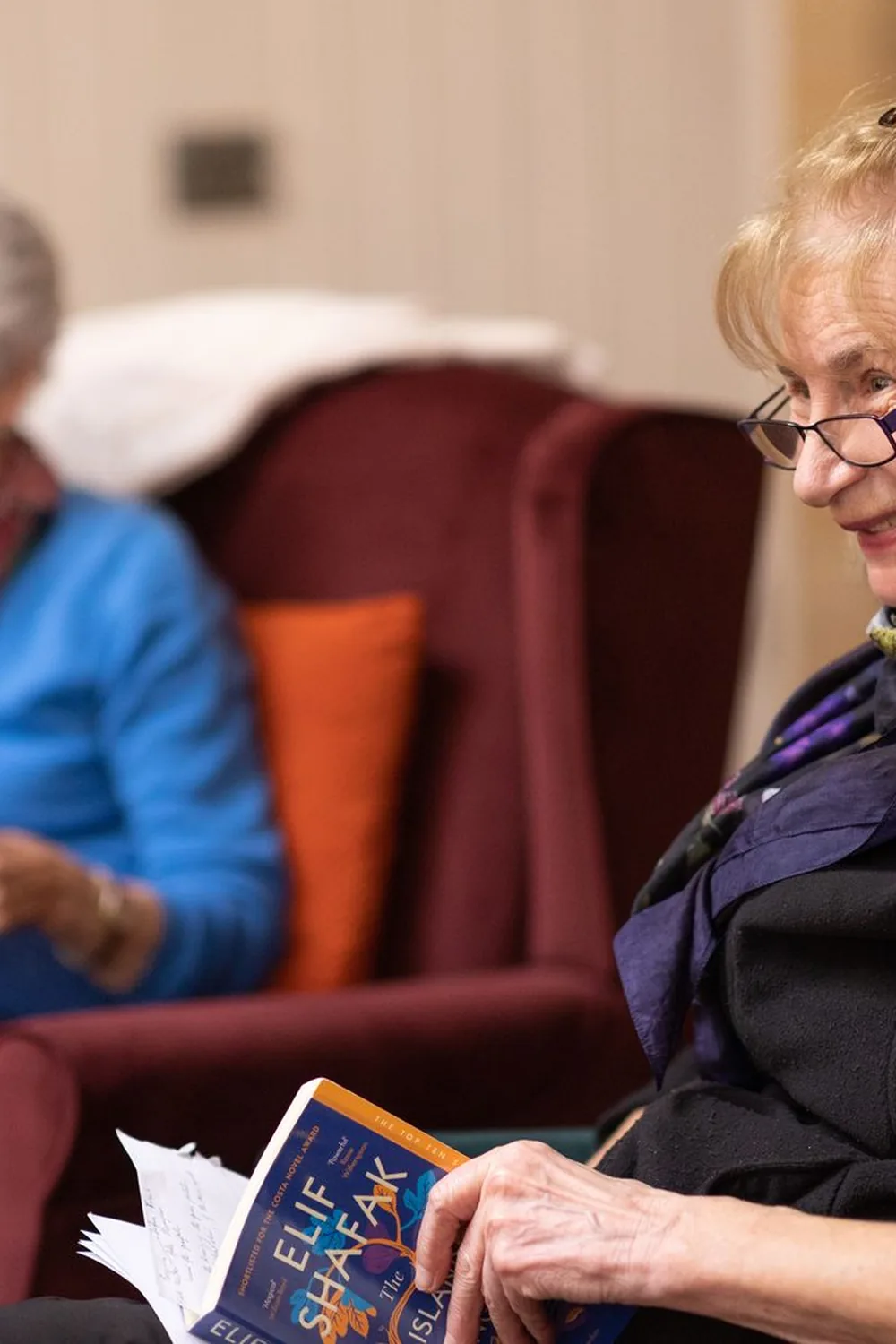
Photo by Centre for Ageing Better on Pexels
Activity friends are a genuine blessing, and I want to be clear about that. The woman from my book club, the partner from my exercise class, the couple from the allotment. We laughed, we showed up, we belonged to something together. That is not nothing. That is a great deal.
But an activity friendship lives inside its activity. When the class ends, the season changes or one of you moves away, there is often no second setting where the friendship knows how to exist. It does not deepen into confidences, and it was never designed to. That is why friendships after retirement need a second setting, not just a shared activity.
Gentle reminder: Enjoy activity friends inside the activity, fully and gratefully. Just do not count them as your safety net, and do not grieve them as if they were.
8. The One Way Friend Who Only Ever Called to Unload

Photo by ANTONI SHKRABA production on Pexels
You know this friend. The phone rings and your heart sinks a little, because you already know the shape of the next forty minutes. Her troubles, her family, her health, in detail, and then a quick goodbye just as you begin a sentence of your own.
While I was working, I absorbed it as the price of being a good listener. In retirement, with my energy suddenly feeling like a finite and precious thing, I noticed I felt emptier after every call. So I let the calls space themselves out, and I stopped rescuing every silence. The friendship faded, and what I felt, to my surprise, was relief. Energy is a real limit in friendships after retirement, and it changes what we can give.
Gentle reminder: Listening is a gift, not a duty without limits. A friend who never once asks how you are has told you exactly what the friendship is.
9. The Old Neighbor I Only Had Yesterday in Common With
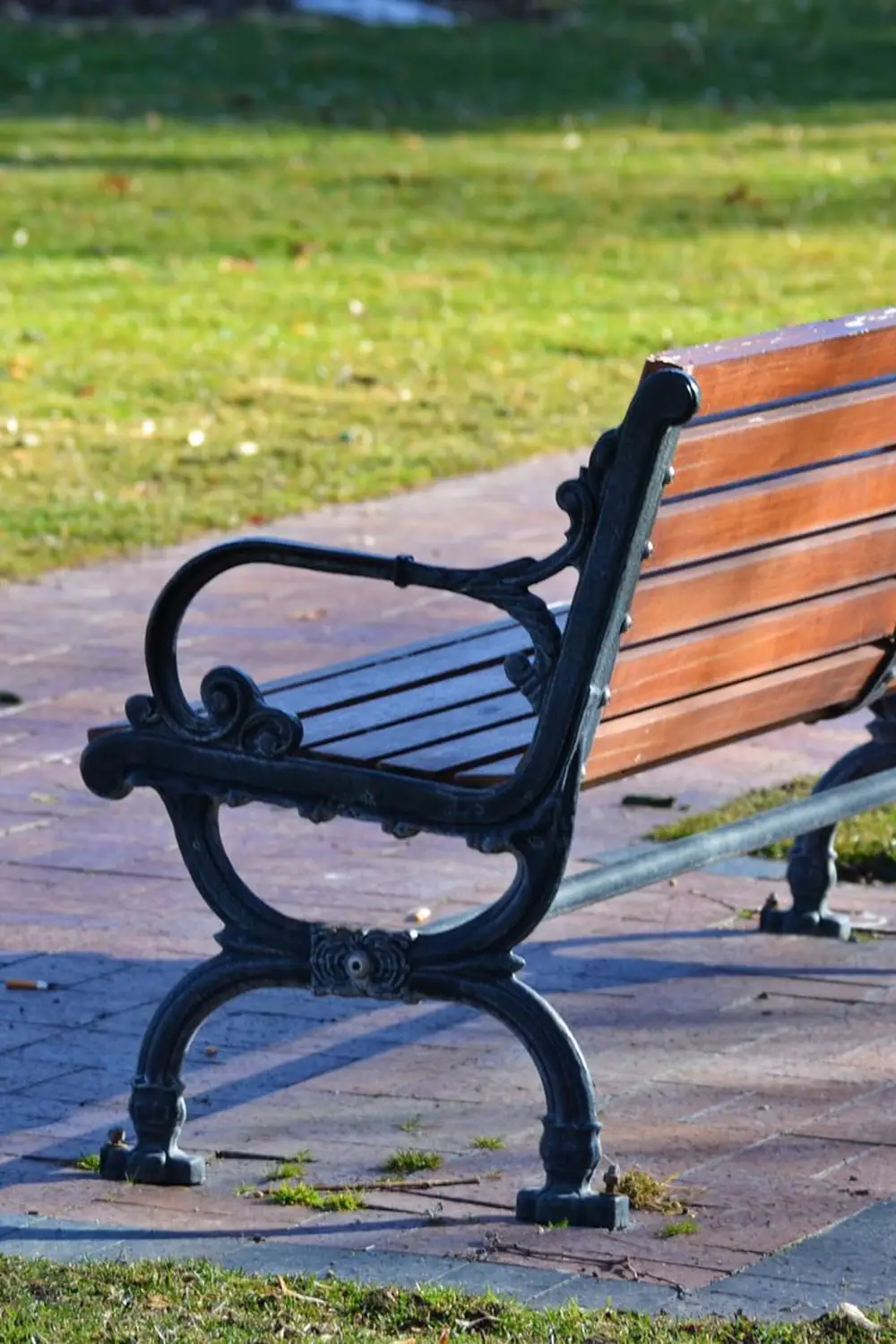
Photo by Brett Sayles on Pexels
The last one is the gentlest ending of all. The neighbor from the street where you raised your children, the couple from the old holiday caravan, the friend whose whole conversation is do you remember. Nostalgia is a warm room to visit, but nobody can live in it.
When every meeting is a walk through yesterday, the friendship quietly stops growing, and growing things are the ones that stay alive. We still exchange cards. We still light up at the sight of each other. But the weekly closeness belonged to a street and a season that neither of us lives in anymore. That is the gentle way friendships after retirement can settle into memory instead of daily life.
Gentle reminder: A friendship can be complete without being current. Treasure what it was, keep the card list kind, and let the past be a place you visit together sometimes, not a home you owe rent to.
Frequently Asked Questions
Is it normal to lose friends after retirement?
Completely normal, and far more common than people admit. A large share of adult friendship is built on proximity and routine, and retirement removes both at once. Losing several work based friendships in the first two years says nothing about your worth as a person. Friendships after retirement are especially vulnerable in those first two years, when routines change all at once.
How can I tell which friendships are worth saving?
Look for reciprocity. The friendships worth your energy are the ones where care travels in both directions, where you are asked questions as well as answering them, and where you feel lighter after time together rather than drained.
Where do retired people actually make new friends?
Wherever something repeats. A weekly class, a walking group, a choir, a volunteer shift, a faith community. Friendship grows from seeing the same faces regularly far more than from one big effort, so choose one repeating thing and simply keep showing up. That is how friendships after retirement begin again, one repeated meeting at a time.
Should I confront a friend who has drifted away?
Rarely. A gentle invitation is almost always better than an accounting. If the invitation is warmly accepted, you have your answer. If it keeps being declined, you have that answer too, and you can let go without a scene neither of you wanted.
Fewer Friends, Truer Ones
Here is what I know now that I did not know in my miserable first year. Retirement does not shrink your world unless you let it. It edits it. The friendships that end were mostly held up by scaffolding, and the ones that remain, the two or three people who call just to hear your voice, are worth more than the crowded calendar ever was. That is the quiet truth about friendships after retirement.
So tend what is real, and make room for what is new. Some of my favorite people now are people who retired too early and had to build a social life from scratch, just like me, and we found each other at classes and coffee mornings. When we do meet, I like feeling put together for it, with a few must have clothes for women over 50 that earn their keep and the kind of smart casual outfits for women over 50 that carry you from a morning walk to lunch without a second thought. Fewer friends, truer ones, and a life that still has room in it. That is not a loss. That is a harvest.