

For many people who retired too early, the first weeks felt like pure freedom, and then a quiet, flat feeling began to creep in. The mornings were slower, the coffee lasted longer, and yet something important felt missing, even if they could not name it at first.
The problem is rarely laziness or ingratitude. Work had been quietly providing structure, status, friendship and a reason to get dressed with purpose, all in one package. When it ended suddenly, all of those things ended with it, and nobody had warned them.
So I asked around, listened carefully, and gathered the confessions that came up again and again. These 9 honest admissions are not here to frighten you. They are here to help you retire with your eyes open, or to gently rebuild if you already have.
Quick Tips Before You Start
Before the confessions, here is the honest pattern underneath all of them. Almost every regret below was smaller, or never happened at all, when these five habits were already in place.
- Plan the life, not just the money: A budget tells you if you can stop working. Only a plan for your days tells you whether stopping will feel good.
- Build friendships outside work early: Join one group that has nothing to do with your job while you are still working, so it is already warm when you leave.
- Talk about the home front: Agree how much time you will spend together, how chores will change and what each of you will keep as your own.
- Keep your brain employed: Learning, mentoring or making something with your hands keeps confidence alive long after the job title goes.
- Rehearse before you resign: Live on your retirement budget and trial your new routine for a season first. Surprises are much cheaper in rehearsal.
1. I Lost Who I Was Without My Job Title

Photo by Alena Darmel on Pexels
Margaret spent 31 years introducing herself as a head teacher, and at parties people asked about her school before they asked about her. Six months after leaving, a neighbor asked what she did, and she felt her throat tighten. She had an answer, retired, but it did not feel like an identity.
What she missed was not the meetings or the marking. She missed being needed in a specific way, and being good at something in public. A title had been doing quiet emotional work for decades, and she had never built anything to stand beside it.
Try this: Write one sentence about yourself that contains no job words at all. Grandmother, gardener, learner, neighbor. Practice saying it out loud until it stops feeling thin.
2. My Friend Circle Quietly Disappeared

Photo by Alena Darmel on Pexels
Work friends feel permanent while you share a building, a timetable and a hundred small complaints. Many people who retired too early learned that most of those friendships were held together by proximity, and once the proximity ended, the phone simply stopped ringing.
David told me his diary had once filled itself. Lunches, birthdays, leaving drinks, the Friday chat by the kettle. A year into retirement he realized he had spoken to nobody outside his family for nine days, and the loneliness embarrassed him too much to admit at first.
Remember: Friendships after work need invitations, not assumptions. One standing coffee date a week protects you more than a dozen good intentions.
3. Being Together All Day Tested My Marriage

Photo by MART PRODUCTION on Pexels
Nobody warns couples that retirement changes the geography of a marriage. Two people who loved their evenings together suddenly shared every room, every hour and every small decision, and even fond couples found friction in places that had never rubbed before.
One woman laughed as she told me she had married him for life, not for lunch. Under the joke sat a real negotiation about space, routines and separate interests, and the couples who did best were the ones who talked about it early and kindly.
Say this: I love our time together, and I also need a little time that is mine. Shall we plan both, so neither of us has to guess.
4. My Days Had No Shape and Felt Empty

Photo by Teona Swift on Pexels
At first the empty diary felt luxurious. By the third month, several retirees told me, the days had started to blur into one long, soft afternoon. Television filled gaps it was never meant to fill, and bedtime arrived without the tiredness that makes rest feel earned.
Structure sounds unglamorous until it disappears. People who retired too early often discover that freedom needs a frame, a few fixed points in the week that give the open hours something to lean against. Without that frame, even lovely days can feel strangely weightless.
Try this: Give your week three anchors, one social, one physical and one learning based, and let everything else stay flexible around them.
5. I Retired From Something, Not Toward Something

Photo by RDNE Stock project on Pexels
Ask an unhappy early retiree why they left and you will get a clear answer. Ask what they left for, and the answer often fades into a shrug. Escaping a hard boss or a long commute is a reason to go, but it is not a plan for the thirty years that follow.
The people who settled best had a picture of their next chapter before they walked out, however rough. A course booked, a volunteer role waiting, a garden project with real dates attached. The picture gave their energy somewhere to go on the very first Monday.
Watch out: If your retirement plan is mostly a list of things you never want to do again, it is only half a plan. Add the things you are moving toward.
6. I Missed Using My Brain Every Day

Photo by Tima Miroshnichenko on Pexels
Work had been a daily workout for the mind, full of problems, people and decisions. Many people who retired too early were surprised by how much they missed being stretched, and how quickly confidence faded when nothing required their best thinking anymore.
One former engineer started a repair morning at his local community center, fixing lamps and toasters for neighbors. He told me the money never mattered. What mattered was the moment a fault made sense, and the feeling that his mind still had gears that turned.
Try this: Choose one skill that is slightly too hard for you right now, a language, an instrument, a craft, and give it twenty minutes a day.
7. I Felt Cut Off From the Real World

Photo by cottonbro studio on Pexels
Work keeps you current without any effort at all. News travels through offices, younger colleagues explain new tools over lunch, and the world keeps knocking on your door. At home, that flow slows to a trickle, and some retirees described feeling oddly behind the times.
The feeling matters because it feeds a story about being finished or invisible. The retirees who resisted it stayed deliberately connected, reading widely, following their old field with interest, and saying yes to conversations with younger people whenever they could.
Remember: Curiosity is a bridge back to the world. One good newspaper habit and one mixed age friendship will carry you further than you expect.
8. The Money Did Not Stretch Like I Planned

Photo by Kampus Production on Pexels
The spreadsheet said one thing and real life said another. Health costs arrived earlier than expected, grown children still needed help now and then, and the treats that fill free time, travel, lunches, hobbies, all quietly cost more than staying at work ever did.
Several couples told me the shock was not poverty, it was the slow drip of surprises and the anxiety that came with watching savings shrink faster than the plan allowed. That anxiety followed them into every decision, even happy ones.
Watch out: Test your budget by living on it for three months before you hand in your notice. A rehearsal is kinder than a surprise.
9. My Health Slowed Me Down Sooner Than I Expected
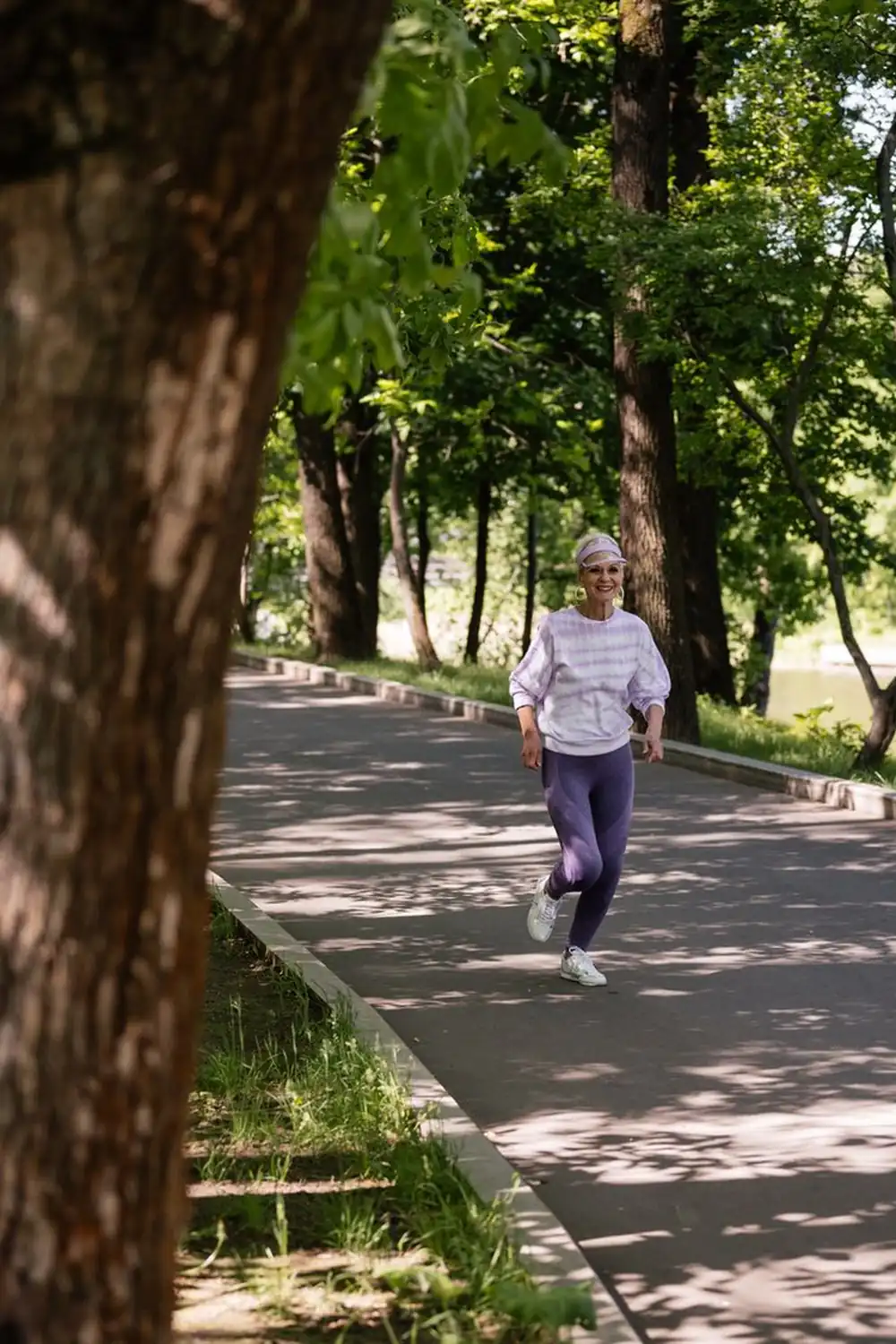
Photo by SHVETS production on Pexels
Early retirement sells itself with pictures of long walks, big trips and active decades. Some retirees found that knees, backs and energy levels had their own timetable, and the big plans they had postponed for years became harder just as the free time finally arrived.
The regret was rarely about vanity. It was about timing. They wished they had traveled while travel was easy, protected their strength like an asset, and treated check ups and daily movement as part of the retirement plan itself, not an afterthought.
Say this: Ask your doctor one honest question at your next visit. What should I protect now so I can still enjoy my plans at 75. Then act on the answer.
Frequently Asked Questions
Is it normal to feel regret after retiring early?
Yes, and it helps to say so plainly. Retirement is one of the biggest identity changes of adult life, and mixed feelings are a common part of adjusting to it. Regret usually softens once new routines, people and purposes are in place.
What is the single biggest regret of all?
The confession I heard most often from people who retired too early was the loss of purpose and identity. Money worries matter, of course, but the deepest ache was usually about meaning, structure and feeling needed.
Can you go back to work after retiring early?
Many people do, often in a smaller or different way. Part time roles, mentoring, seasonal work and volunteering can restore structure and income without handing your whole week back. Returning is not failure. It is editing.
How can I avoid these regrets if I have not retired yet?
Build the life before you leave the job. Grow friendships outside work, test your budget, talk honestly with your partner, and arrive at retirement with at least one absorbing project already waiting for you.
How long does it take to adjust to early retirement?
For most people the wobble lasts months rather than weeks. Give yourself a full year of experimenting before you judge the decision, and treat the first version of your retired life as a draft you are allowed to revise.
Retirement Works Best When It Is a Beginning
If you recognize yourself in these confessions, take heart from one simple truth. Almost every regret shared by people who retired too early can be softened with honest planning, small routines and people who expect you somewhere. Regret is information, not a verdict.
Your small action step for today is this. Write down the one confession that stung a little, and choose one tiny move against it this week. If low mood is part of your picture, my guide to retirement depression may help, and if your days feel quiet at home, readers also found comfort in living alone after 70 and why a morning routine makes seniors happier.