

There is a quiet ache that settles in later, usually in an ordinary moment, when you realize how much you meant to say and never quite did. So many of the things you’ll wish you’d said to your parents are not grand speeches at all. They are small, warm sentences that felt too obvious, too tender or too awkward to say out loud at the time.
We tell ourselves they already know. They know we are grateful, they know we noticed, they know we love them. And often they do sense it. But hearing it said plainly, in your voice, does something that guessing never can. It lets them rest in it instead of wondering about it.
This list is not here to make you sad or to rush you. It is here to give you words while words can still be received. Read through these things you’ll wish you’d said to your parents, pick the one that feels closest to your heart, and say that one first, simply and soon.
Quick Tips Before You Start
You do not need a special occasion, a perfect setting or a long speech for any of this. Ordinary moments carry these words beautifully, and often better than staged ones ever could.
- Start with one sentence: Choose a single item from this list and say only that today. One honest sentence, fully meant, lands deeper than ten rushed ones.
- Be specific, not general: Name the actual memory, meal, ride or kindness. Detail is what makes a parent feel truly seen rather than politely thanked.
- Keep your voice steady and warm: You are not delivering a verdict or a performance. You are offering something you have carried for a while and finally decided to share.
- Leave room for their reply: Some parents go quiet, some laugh, some cry, some change the subject and return to it days later. All of those responses are normal.
- Say it more than once: The first time can feel big for both of you. The second and third times are where it becomes part of how you love each other.
1. Thank You for One Specific Thing

Photo by Kaboompics on Pexels
A general thank you for everything is kind, but it can float past a parent without really landing. What stays with them is the moment you name one exact thing. The packed lunches in winter. The money quietly found when fees were due. The way someone always waited up, pretending not to, until the key turned in the door.
Try it in your own words. You could say, thank you for teaching yourself that recipe I loved just so Sundays would feel special, or thank you for driving me to that exam and acting calm when I know you were nervous too. Watch what happens to their face when they realize you remembered the detail, not just the effort.
Say this: Thank you for one specific thing this week, and name the scene, the season and the small detail only the two of you would remember.
2. I Understand More Now About the Choices You Made
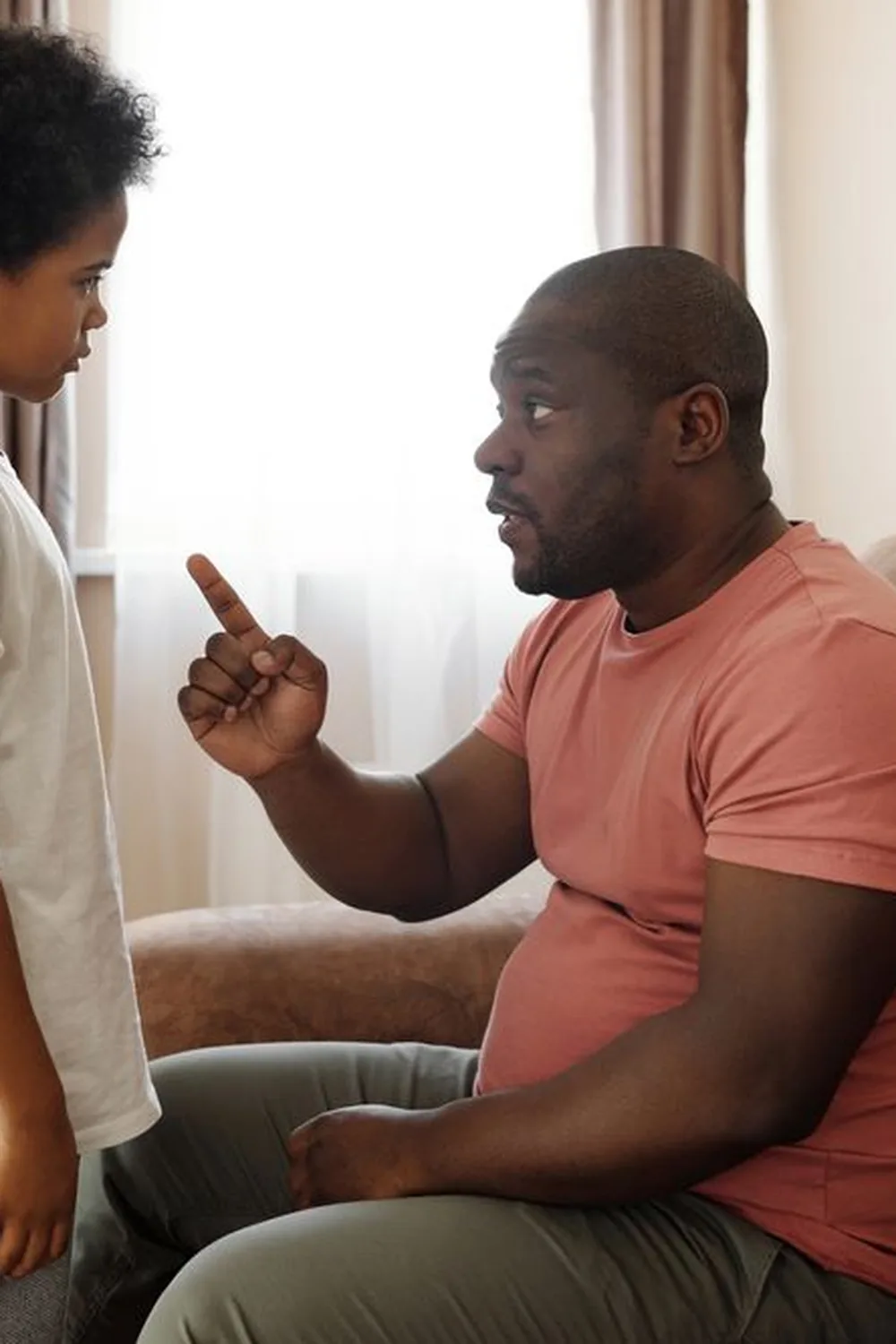
Photo by August de Richelieu on Pexels
When we are young, a parent decision looks simple from the outside. The move, the job taken, the money not spent, the strict rule that felt unfair at the time. Age and a little life of our own tend to soften that picture. We start to see the pressure, the limited options and the love that was hiding inside choices we once only judged.
Saying so can lift a weight a parent has carried quietly for years. Many older parents replay certain decisions and wonder if their children understood. This is one of the things you’ll wish you’d said to your parents because it gives them that understanding while they can still hear it and hold it close.
You might say, I did not understand it then, but I see now how hard that year must have been, and I know you were doing your best with what you had. You do not have to agree with every choice to honor the cost of making it.
Remember: Understanding is not the same as pretending a choice was perfect. It is simply telling them you can finally see the full picture they were standing in.
3. Tell Me What It Was Like for You

Photo by RDNE Stock project on Pexels
We know our parents in one role so completely that we can forget they had a whole life unfolding beside it. They had fears at our age, hopes that changed, work that tired them, joys they never mentioned. Asking about their experience, and then truly listening, is a gift that costs nothing but attention.
Ask one open question and resist filling the silence. What was it like for you when I left home. What did you worry about most in those years. What part of that time do you remember with a smile. Their answers may surprise you, and they often become the stories the whole family treasures later.
Try this: Ask one question about their own experience this visit, then listen to the end without correcting, rushing or turning it back to your own story.
4. I Am Sorry for My Part in It

Photo by Danik Prihodko on Pexels
Most families carry one or two old moments that never quite got cleared. A sharp teenage reply. A long stretch of distance that neither side meant to let grow. A visit cut short, a call not returned, a tone that still stings when it comes to mind. An apology from you does not rewrite who was right. It simply clears your side of the road.
Keep it clean and specific. Say, I am sorry for how I spoke to you that Christmas, or I am sorry I stayed away so long when things felt hard. Do not attach a list of their faults to the end of it. A plain apology, offered without conditions, has a way of softening a room within minutes.
Watch out: Do not turn an apology into a negotiation. If you add a but and a complaint, the healing part quietly slips away and the old argument wakes back up.
5. I Forgive You, and I Mean It

Photo by RDNE Stock project on Pexels
Forgiveness is one of the heaviest and kindest items on this list. Some parents fell short in real ways, through absence, temper, favoritism or simple human limits they never learned to name. Holding that hurt is understandable. And yet, for many grown children, this becomes one of the things you’ll wish you’d said to your parents, because saying it frees the speaker as much as the listener.
Forgiving does not mean calling something fine when it was not. It means you have decided to set the weight down. If it feels right, you could say, I have thought about the hard parts of our past, and I want you to know I forgive you. I would rather spend our time now in peace than in old pain.
Remember: You can forgive at your own pace and in your own words, including in a letter. There is no single correct script, only an honest one.
6. I Am Proud of Who You Are

Photo by SHVETS production on Pexels
Children are used to hearing pride flow in one direction, from parent to child. Turning it around can move a parent more than almost anything else. They still wonder, more than they admit, whether their life looks worthwhile through the eyes of the people they raised.
Be concrete about it. I am proud of how you kept learning new things after retirement. I am proud of the way you cared for your friends, your work or this family with so little fuss. Naming the quality, not just the role, tells them they are seen as a whole person, not only as a parent.
Say this: Tell them one quality you admire in them as a person, apart from parenting, and give one real example of it that you have witnessed yourself.
7. This Is What You Taught Me

Photo by SHVETS production on Pexels
Parents quietly wonder what, if anything, actually landed. The lessons they repeated, the values they modeled when they thought no one was watching, the habits they hoped would travel with us into adult life. Telling them what truly took root answers a question they may never ask out loud.
Pick one lesson and trace it into your present life. You taught me to return what I borrow and to show up when I say I will, and I hear your voice in my head every time I keep a promise at work. That thread, from their kitchen table to your grown life, is deeply reassuring for a parent to hear.
Try this: Name one value or skill they gave you, then share one recent moment where you used it. The recent moment is what makes it feel alive.
8. I Love You, Plain and Simple

Photo by Andrea Piacquadio on Pexels
It is the shortest item here and, for many families, the hardest one to say without a joke, a rush or a reason attached. Some of us grew up in homes where love was shown in meals, rides and repairs rather than in words. Showing it was real. Saying it still matters, because words can be replayed on a hard day in a way a memory sometimes cannot.
Let it be ordinary rather than dramatic. End a normal call with it. Say it while the kettle boils or while you are hugging goodbye at the door. The plain, regular version is the one that builds a quiet certainty over time, for them and for you.
Say this: Say I love you at the end of one ordinary conversation this week, without waiting for a milestone, a holiday or a difficult day to justify it.
9. Let Me Help You With This One Thing
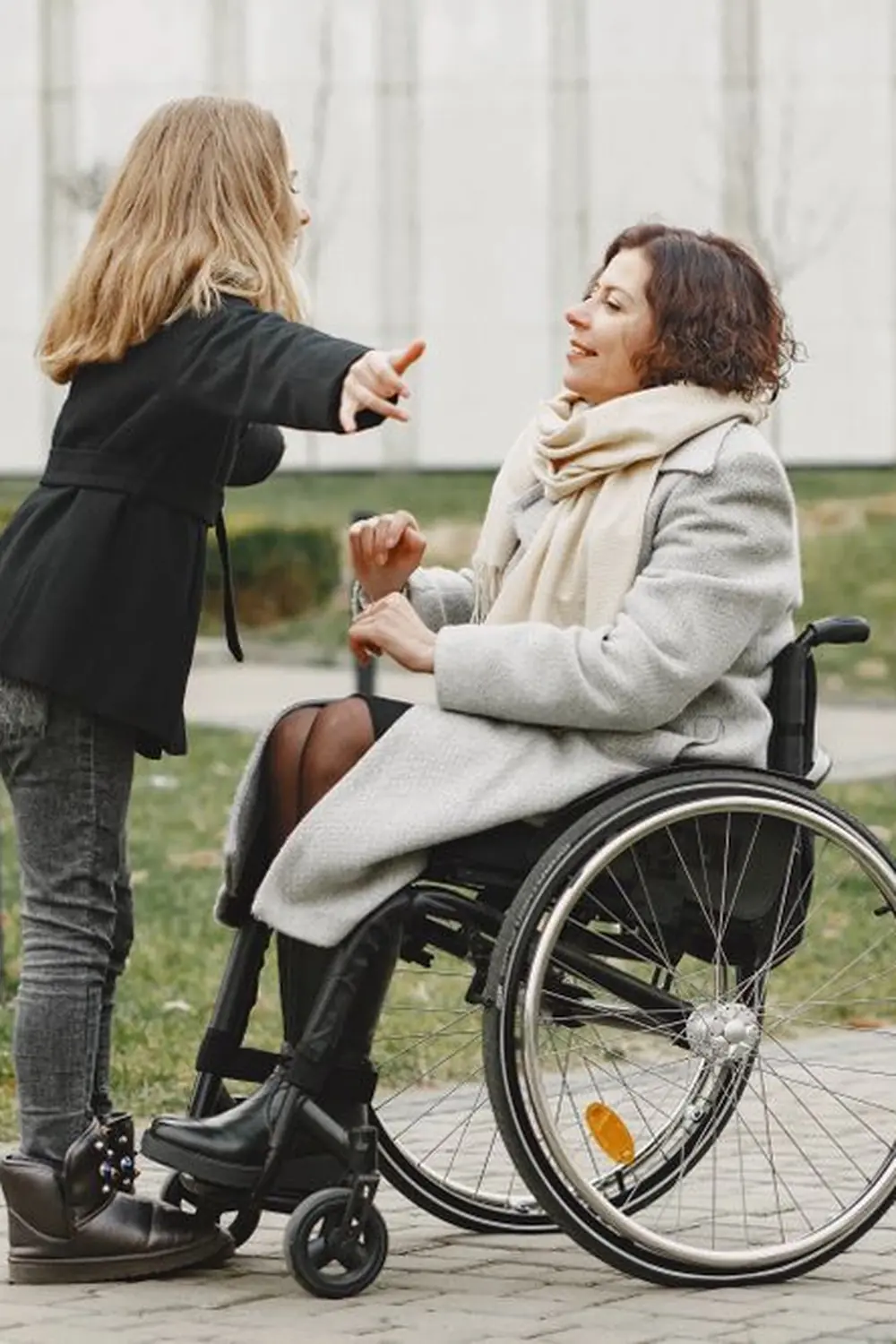
Photo by Gustavo Fring on Pexels
Many parents would rather struggle quietly than feel like a burden, so a vague offer of help often gets a polite no. A specific offer is far easier to accept. It shows you have actually looked, noticed a real need and already decided you are glad to do it.
Name the task and the time. I am coming on Saturday and I would love to sort that cupboard with you. I can book that appointment and drive you there on Tuesday. Small, named help protects their dignity because it feels like teamwork, not rescue, and it gives you shared time as a quiet bonus.
Try this: Replace let me know if you need anything with one named task and one named day. Specific offers get yes answers. Vague ones rarely do.
10. I Will Keep Our Family Stories Alive

Photo by Yaroslav Shuraev on Pexels
Near the heart of every parent is a hope that what they built, cooked, celebrated and endured will not simply vanish when they are gone. Promising to carry a story, a recipe or a tradition forward tells them their life has roots that will keep growing through people they love.
Make the promise tangible. I will make your soup for the grandchildren and teach them why we always add that one ingredient last. I will keep telling the story of how you and Dad met, exactly the way you tell it. A named tradition, spoken out loud, gives a parent a calm and lasting sense of peace.
Remember: Write the recipe, the story or the tradition down while you promise it. A few lines in a notebook today can save a whole piece of family history.
Frequently Asked Questions
What if saying these things feels awkward at first?
That feeling is completely normal, especially in families where tender words were rare. Start with the easiest item for you, perhaps a specific thank you, and keep it short. Awkwardness usually fades within one conversation, and the warmth that follows tends to stay.
What if my parent gets emotional or goes quiet?
Give them time and do not rush to fill the silence or take the words back. Quiet often means the words landed, not that they failed. A simple I just wanted you to know gives them space to respond in their own way and their own time.
Can I write these things instead of saying them?
Yes, and for some families a letter works even better. Writing lets you choose your words carefully and lets your parent reread them whenever they wish. Many people start with a letter and find that spoken conversations become much easier afterwards.
What if my relationship with my parent is difficult?
You still get to choose what feels honest and safe for you. Some readers on this topic ask about things you’ll wish you’d said to your parents even when the history is complicated, and the answer is to pick only the items that are true for you. A single sincere sentence is enough. You never owe words that are not honest.
What if one of my parents is no longer living?
Many people still find comfort in writing the words in a letter, saying them at a graveside or sharing them with family who knew them well. The exercise can bring real peace, and it often helps the words flow more easily to the people who are still here to hear them.
Say One True Thing Today
Here is your one small action step. Choose just one sentence from this list, the one you felt most strongly while reading, and say it today by phone, in person or in a short letter. Today is enough. Among all the things you’ll wish you’d said to your parents, the one you actually say will never be on the regret list.
If this topic sits close to your heart, you may also like reading about mourning a parent who is still alive and caring for a parent you never got along with, plus why adult children feel guilty visiting parents, which so many readers have written to me about.