

They came, they stayed, they hugged you goodbye, and still the phone call later sounds apologetic. Many adult children feel guilty visiting parents no matter how the visit went, and the guilt often has very little to do with anything you said or did.
For parents over 50 this is confusing and a little painful. You waited for the visit, cooked for it and counted the days, so a child guilt can feel like a verdict on your home or your welcome. Usually it is a verdict they are passing on themselves, against standards nobody could meet.
These eight hidden reasons explain where that guilt grows, in plain and gentle language. Understanding them will not just comfort you. It will help you say the few sentences that actually set your child free of it. If you enjoy planning ahead, my winter coat outfits for women are a lovely companion read.
What Parents Can Say That Truly Helps
When adult children feel guilty visiting parents, reassurance works best when it is specific. These short lines do more than any long speech.
- Name the enough, tell them plainly that this visit, as it was, was enough for you.
- Release the next visit, say there is no debt carried forward from this one.
- Praise the effort, name the drive, the cost or the juggling it took to get here.
- Mean the goodbye, keep partings warm and brief, with no last requests at the door.
1. The Visit Never Feels Long Enough to Them

Photo by creator name not shown on the source page
However long they stay, your adult child is measuring it against an imaginary visit that was longer, calmer and more helpful. They leave thinking of the jobs they did not do and the talks they did not have. This is the most common reason adult children feel guilty visiting parents, and it grows with distance.
What helps is a parent who closes the account out loud. Saying, this was a proper visit and I have loved every bit of it, gives them a verdict to carry home that can compete with the imaginary one. For more color ideas in the same spirit, see my Thanksgiving dinner outfit ideas.
Say this: That was exactly enough. Please drive home enjoying it, not grading it.
2. They Are Watching You Age Between Visits

Photo by creator name not shown on the source page
You see your own changes gradually. Your child, arriving after months away, sees them all at once, a slower step, a repeated story, a house task left undone. The shock quickly turns inward, into guilt about living far away and missing the in between.
You cannot stop time, but you can share it more evenly. Small, ordinary updates between visits, a photo, a short call about nothing, stop the changes arriving as one large surprise, and the visit becomes a continuation instead of a reveal.
Remember: Frequent small contact is an act of kindness in both directions. It lowers their shock and your waiting, at the same time.
3. Care and Attention Feel Unevenly Shared

Photo by creator name not shown on the source page
In many families one sibling lives near and carries the daily care, while another visits from far away with presents and good intentions. The visiting child often feels the imbalance keenly and enjoys the visit under a cloud of debt toward their brother or sister as much as toward you.
Naming the different kinds of help helps. The nearby child gives time, the distant one may give money, planning or holiday cover. When parents acknowledge each contribution out loud, nobody has to keep a secret score.
Try this: Thank each child for their specific kind of help, in front of the others. Fairness spoken aloud dissolves a great deal of guilt.
4. Childhood Patterns Walk Back In With Them

Photo by creator name not shown on the source page
Within an hour in the family home, a capable forty year old can feel fourteen again, defensive about the same topics, eager for the same approval. That slide is disorienting, and many adult children feel guilty visiting parents partly because they dislike who they briefly became during the visit.
Parents can soften this more than they know. Treat your child as the adult guest they now are, ask about their life before advising it, and let old roles rest. A visit where they stayed themselves is a visit they will repeat gladly.
Watch out: Teasing about childhood habits lands differently at forty than at fourteen. When in doubt, leave the old stories in the album.
5. The Cost of Visiting Sits on Both Sides of the Heart
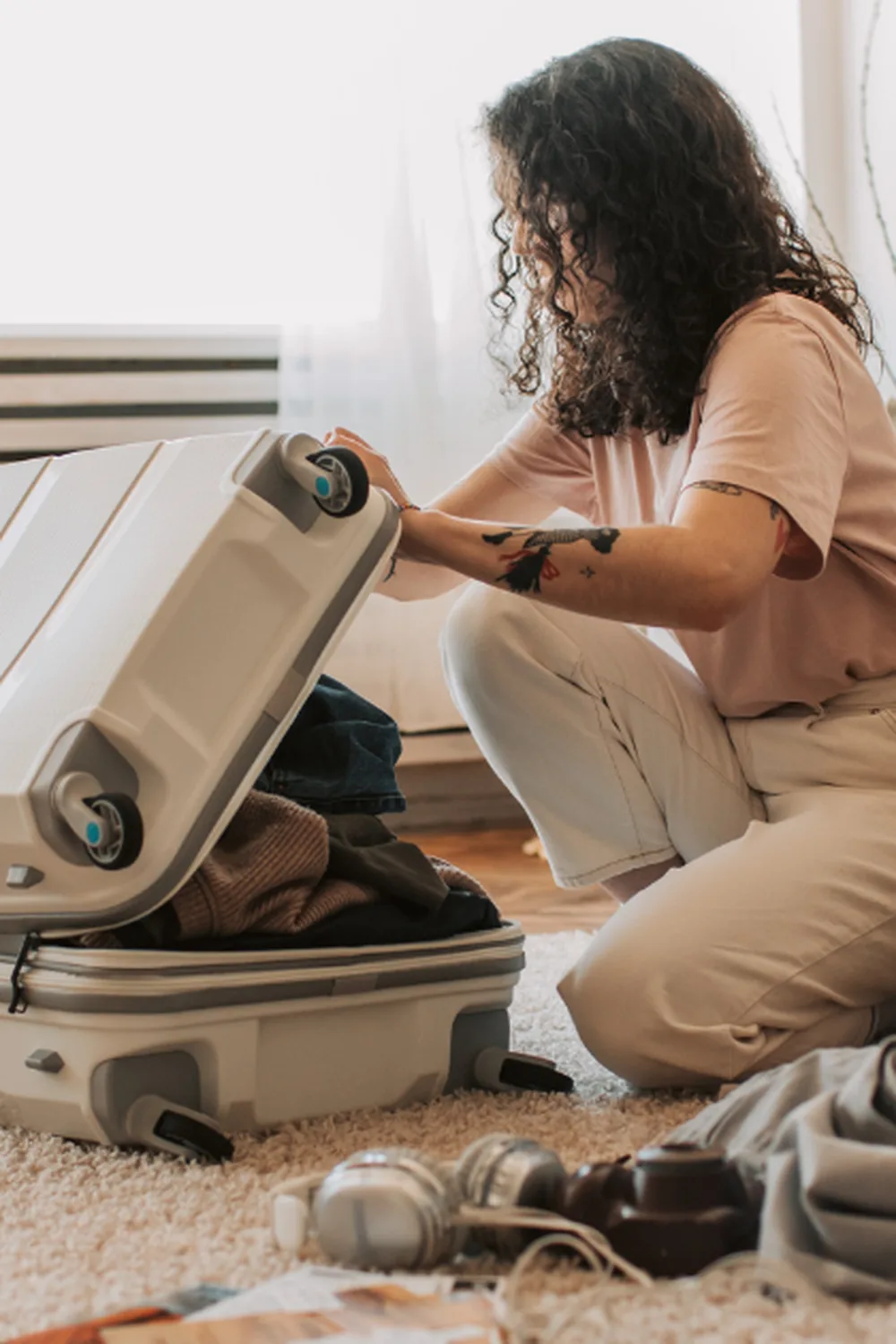
Photo by creator name not shown on the source page
Travel costs money, leave days and energy, and most adult children do that arithmetic even while hugging you hello. If money is tight at home, every visit carries a small financial guilt alongside the love, and if they skip a visit, the guilt simply changes its address.
Practical kindness beats proud silence here. Help with fuel or fares without making it a ceremony, welcome shorter and cheaper visits warmly, and say clearly that a video call in a hard month is a visit too, not a failure.
Say this: Come when it is easy, call when it is not. Both count fully with me.
6. They Compare Themselves to Other Adult Children

Photo by creator name not shown on the source page
Social media shows a daughter who moved next door, a son who calls daily, a family that holidays together every year. Measured against those highlight reels, an ordinary loving child with a job, a mortgage and children of their own can feel like the failing entry in a contest nobody entered fairly, which is another hidden way adult children feel guilty visiting parents.
Tell them, once and clearly, that you are not grading them against anyone. Parents underestimate how much a simple sentence of that kind is carried, repeated and believed over the years that follow.
Remember: Your child cannot hear other families verdicts, but they hear yours. Make yours the kind, specific and satisfied one.
7. Things Left Unsaid Grow Heavier Each Year

Photo by creator name not shown on the source page
As parents age, adult children become aware of conversations they still mean to have, thanks never properly said, old hurts never cleaned up, questions about family history never asked. Each visit that passes in pleasant small talk adds a little weight to the pile of the unsaid.
You hold more power here than they do. Opening one real topic yourself, gently and without drama, gives them permission to open theirs. A single honest conversation can lighten years of accumulated, quiet guilt in an afternoon.
Try this: Begin small and true. I have been thinking about your grandfather lately, ask me anything you have ever wondered.
8. They Feel Relief When They Leave, Then Guilt About the Relief

Photo by creator name not shown on the source page
This is the reason nobody admits at the table. After days of childhood bedrooms, rich food, old routines and being somebody child again, going home to their own sofa and their own rules brings relief, and the relief itself feels like betrayal. It is the final, secret layer of why so many adult children feel guilty visiting parents.
Relief is not the opposite of love. It is the sign of an adult whose own life fits them, which is what you raised them to build. If the topic ever surfaces, laugh gently, confess you once felt it visiting your own parents, and watch the shame leave the room.
Remember: A child who is happy in their own home is your success story, not your loss. Their relief and their love travel together quite happily.
Frequently Asked Questions
How often should adult children visit their parents?
There is no fair number that fits every family. Distance, money, health and work all count. A rhythm agreed honestly by both sides, and kept, matters far more than a frequency copied from another family.
Should I tell my child not to feel guilty?
Yes, but make it specific. A general do not worry changes little, while naming the visit as enough, praising the effort and releasing the next visit gives their mind something solid to hold on the drive home.
Why does my child seem distant right after a good visit?
Many adults process the emotions of a visit afterward, the aging they noticed, the relief, the unsaid things. A quiet day or two after a warm visit is usually reflection, not regret about coming.
What if my child rarely visits at all?
Start with curiosity, not accounting. Ask what makes visiting hard in this season of life, listen fully, and build one smaller, easier visit together. Guilt rarely opens doors, but an easier invitation often does.
Set Them Free With One Sentence
At the end of the next visit, before the bags reach the car, say the sentence out loud. That was enough, I loved it, and there is nothing owing. It takes ten seconds, it asks nothing of them, and it may be the kindest gift a parent can hand a grown child at the door. For further reading, I also like the perspective at Psychology Today on family dynamics.