

Your son or daughter still calls, still visits, but their partner stays polite, brief and just out of reach. When an adult child spouse keeps distance like this, it rarely feels neutral. It feels like a door that is open to one of your family and half closed to you.
For parents over 50 the hurt is doubled. You may be offering help, meals and genuine warmth, yet you sense you are being managed rather than welcomed. It is easy to blame the spouse character, and that conclusion, while understandable, usually misses what psychology sees underneath.
This guide explains eight common reasons in plain language, with a small, respectful response for each. Distance is often a protective habit, not a verdict on you, and protective habits can soften when the pressure that created them eases. If you enjoy planning ahead, my winter wedding guest outfit ideas are a lovely companion read.
Gentle First Steps That Lower the Temperature
Whatever the reason an adult child spouse keeps distance in your family, these five small steps almost always help more than a big talk.
- Slow the pace, let invitations be easy to decline, with no follow up questions about why.
- Warmth without weight, keep greetings kind and short rather than intense and emotional.
- Praise the partnership, speak well of the couple as a team, never as your child plus an obstacle.
- No messages through your child, speak to the spouse directly, lightly and about ordinary things.
- Accept small yeses, a brief visit taken happily builds more trust than a long one endured.
1. A Loyalty Bind Makes Closeness Feel Risky

Photo by creator name not shown on the source page
Psychology calls it a loyalty bind. Your child spouse may believe that warming to you means cooling toward their own parents, or siding with your family ways over theirs. Distance becomes the safe middle position where nobody can accuse them of switching sides.
You can ease the bind by honoring their other family openly. Ask after their parents, welcome stories about their traditions, and never compete for holidays. When closeness to you costs them nothing elsewhere, it stops feeling dangerous. For more color ideas in the same spirit, see my Thanksgiving dinner outfit ideas.
Try this: Say, I hope you get good time with your folks this season too. It signals that their loyalties are safe with you.
2. An Old Comment Is Still Being Carried

Photo by creator name not shown on the source page
A remark about the home, the cooking, the wedding or the parenting may have landed years ago and never been discussed. Research on family memory is blunt on this point. Critical comments from a partner parent are remembered in detail, long after the speaker has forgotten them completely, which is often why an adult child spouse keeps distance today.
If you suspect an old moment, one clean apology works better than ten explanations. Keep it short, name the thing itself, and do not ask to be comforted in return. Then let time and ordinary kindness do the slow part.
Say this: I have thought about that comment at your wedding, and I am sorry. You deserved warmth from me that day.
3. Your Family Culture Speaks a Different Language

Photo by creator name not shown on the source page
Some families hug on arrival, debate at the table and drop in freely. Others knock, plan ahead and show love by giving space. Neither is wrong, but a spouse raised in a quieter culture can experience a warm, full volume family as overwhelming rather than welcoming.
Distance, in that case, is translation, not rejection. Offer lower key ways to connect, a walk, a shared task in the kitchen, a short visit with a clear end. Side by side activities feel far safer to reserved people than face to face intensity.
Remember: Quiet people often connect best while doing something. Build visits around an activity and watch the talking come easier.
4. They Are Protecting a Fragile Sense of Peace

Photo by creator name not shown on the source page
Many adults in their thirties and forties are running on empty, with work, children and money pressing at once. A spouse who limits family time may be rationing energy, not punishing anyone. Psychology frames this as self protection, and it rises sharply when visits tend to run long or emotional.
Predictability is the cure. Shorter visits with a stated end, calm topics and an easy exit make saying yes feel safe. When every visit costs less than feared, the ration quietly grows larger on its own.
Try this: Offer a visit with the ending built in, come for tea at three, we will have you on your way by four thirty. Then honor it cheerfully.
5. They Feel Quietly Judged About Ordinary Choices

Photo by creator name not shown on the source page
Parenting style, career pace, housekeeping, faith, food. A spouse who senses a scorecard, even an imaginary one, will limit exposure to it. One reason an adult child spouse keeps distance is that being observed feels tiring, and home is where they want to stop performing.
Counter the feeling with specific, sincere approval of ordinary things. Compliment the meal, the child patience, the garden, the new job effort. Keep questions curious rather than checking, and let some topics, weight, money and timelines, rest entirely unless they raise them.
Watch out: Questions can sound like audits. How is the job hunt going, asked monthly, feels very different from, I hope work is treating you kindly.
6. Expectations Around Visits Were Never Made Clear

Photo by creator name not shown on the source page
How often should you visit, who hosts, how long is polite, what happens at holidays. When none of this is ever agreed, the spouse may withdraw simply to avoid guessing wrong. Ambiguity is exhausting, and avoidance is the easiest escape from it.
Your adult child and their spouse hold the pen on this schedule, and saying so out loud helps enormously. Ask what rhythm suits them in this season of life, accept the answer without negotiation, and let them be the ones to suggest more when life allows.
Say this: You two set the visiting rhythm that suits your life. We will happily fit around it, truly.
7. An Old Conflict Never Got Its Repair
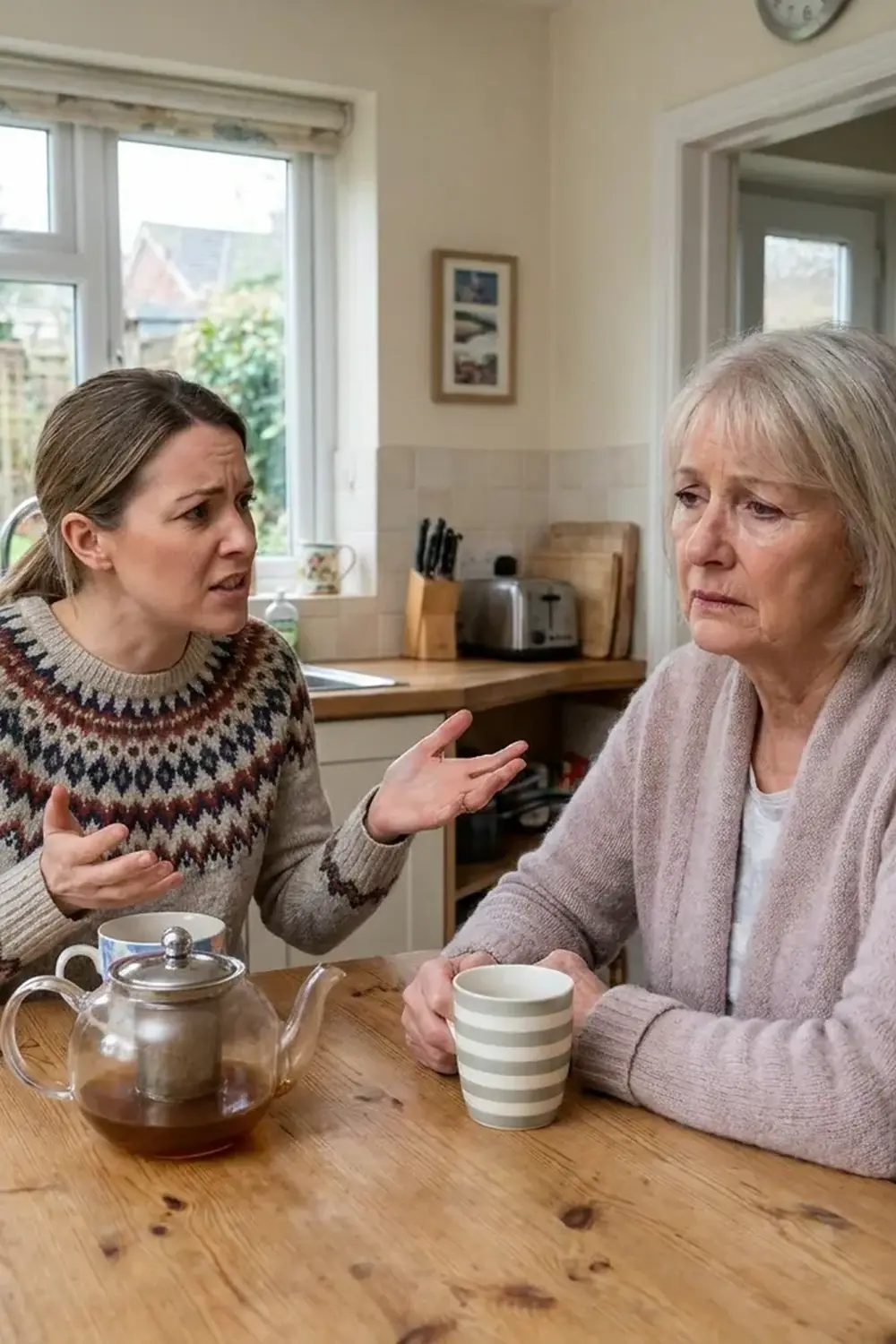
Photo by creator name not shown on the source page
Unrepaired conflicts do not fade, they freeze. A wedding dispute, a loan that soured or a holiday that ended badly can sit under every polite visit, and the spouse, who often carries the couple emotional memory, keeps a guard up on behalf of them both.
Repair does not need a summit meeting. It needs one honest sentence, an apology without a but in it, and changed behavior afterward. If the other side is not ready, accept that calmly too. A door you stop pushing is a door that may open later.
Remember: An apology offered once, cleanly, and never weaponized later, is remembered. Pressure to forgive quickly is remembered too, for the opposite reason.
8. Your Adult Child Has Become the Gatekeeper

Photo by creator name not shown on the source page
Sometimes the distance is not the spouse idea at all. Your own child may be filtering invitations, softening messages or keeping the households apart to avoid stress they imagine on both sides. The spouse then looks distant while actually being mostly uninformed, which is another quiet way an adult child spouse keeps distance without choosing it.
The kind response is direct, gentle contact that does not bypass your child. Include the spouse by name in invitations, thank them for the things they personally do, and build a small, ordinary rapport of your own, a recipe exchanged, a match discussed, a kindness remembered.
Try this: Address the next invitation to both of them, warmly and equally. Being named, not added on, changes how an invitation feels.
Frequently Asked Questions
Should I ask my adult child why their spouse is distant?
Ask gently once, and listen more than you explain. Frame it as care, not complaint, and accept a vague answer without pressing. Pressing for details usually adds to the very pressure causing the distance.
Is a distant in law always a sign of dislike?
No. Loyalty binds, different family cultures, exhaustion and old unrepaired moments all create distance without dislike. Behavior that looks cold is often protection, and protection can soften over time.
How long does warming up usually take?
Months, sometimes a couple of years of calm, predictable contact. Small, easy visits repeated steadily rebuild trust far better than one intense attempt to fix everything at once.
What if I have tried everything and nothing changes?
Then protect your own peace with grace. Keep the door open, keep invitations light and infrequent, and invest in the relationship you do have with your child. Some distance is a season, and seasons change.
Keep the Door Open, Lightly
Choose one small step this week, a shorter invitation, a specific compliment, or one clean apology if one is owed. Then step back and let it breathe. Doors that are held open without pressure are the ones people eventually walk through, in their own time and in their own way. When an adult child spouse keeps distance, patience spoken softly is rarely wasted. For further reading, I also like the perspective at Psychology Today on family dynamics.