

You adore your grandchildren, you would do anything for your adult children, and still, somehow, a visit that started warmly can end with a tight smile and a shorter goodbye than you expected. Often the friction is not about love at all. It is about a few of the things grandparents do on autopilot, with the kindest intentions, that land very differently in a busy adult household.
Your children are parenting in a world of school apps, shifting work hours, screen rules and advice coming from every direction at once. They are tired, they are protective of the small routines that hold their week together, and they rarely say out loud when something stings, because they do not want to hurt you either. So the frustration goes quiet, and quiet frustration has a way of turning into fewer invitations.
This list is not a scolding, and it is certainly not a reason to shrink yourself or stop being involved. It names 9 common habits, explains how each one feels on the other side of the door, and offers a kinder swap for every one, so your help is welcomed, your visits are looked forward to, and your place in the family feels secure.
Quick Tips Before the List
If you want to stay close without second guessing every word, start with the pattern behind the things grandparents do that cause friction, and these four small shifts.
- Ask first: A quick text or call before a visit, a purchase or a plan turns a surprise into a welcome. Permission feels like respect to a tired parent.
- Follow their lead: In their home, their rules are the house rules, even when yours were different. Backing them up in front of the grandkids builds trust fast.
- Offer, do not direct: Help that can be declined without a fuss is the help people keep asking for. An offer respects the answer, whatever it is.
- Keep private news private: If it is not your story, let the person who lived it decide who hears it, and when. Trust grows quietly that way.
1. Dropping By Without Calling First

Photo by Mikhail Nilov on Pexels
You were nearby, you had something to drop off, and stopping in felt natural and loving. What greets you, though, can be a house mid chaos, a baby who just fell asleep, a work call in progress and a daughter in yesterday clothes who now feels caught out in her own home. The grandparents in this photo, beaming as they hug their grandchild indoors, show exactly the welcome you want to walk into, and a quick call ahead is what protects that welcome.
An unannounced visit rarely feels like a visit to the person answering the door. It feels like an inspection they did not prepare for, and a loss of control over a day that was already planned to the minute. Even when they smile, the stress of it lingers, and lingering stress quietly shortens the next invitation.
A kinder way: Try, I was thinking of popping over this afternoon, is that good for you, or is tomorrow better? Two choices and no pressure turns the same visit into something they get to welcome.
2. Criticizing How the Grandkids Are Raised

Photo by Gustavo Fring on Pexels
A comment about snacks, bedtimes, screen time or discipline usually comes from experience and genuine worry. In a warm kitchen like the one in this photo, where a grandmother, a mother and two little girls are baking cookies together, those comments can still land as a verdict on the mother standing right there. She hears that her judgment is being graded, in her own home, in front of her children.
It is one of those things grandparents do that adult children remember long after the visit ends, not because the point was always wrong, but because it was delivered as a judgment instead of support. Parents who feel corrected tend to share less, invite less input, and handle more on their own, which is the opposite of what you wanted.
Try this instead: Praise what is working first, and save real concerns for a calm, private moment. You are raising kind kids, I see it every visit, opens ears that criticism closes.
3. Giving Advice That Was Never Asked For
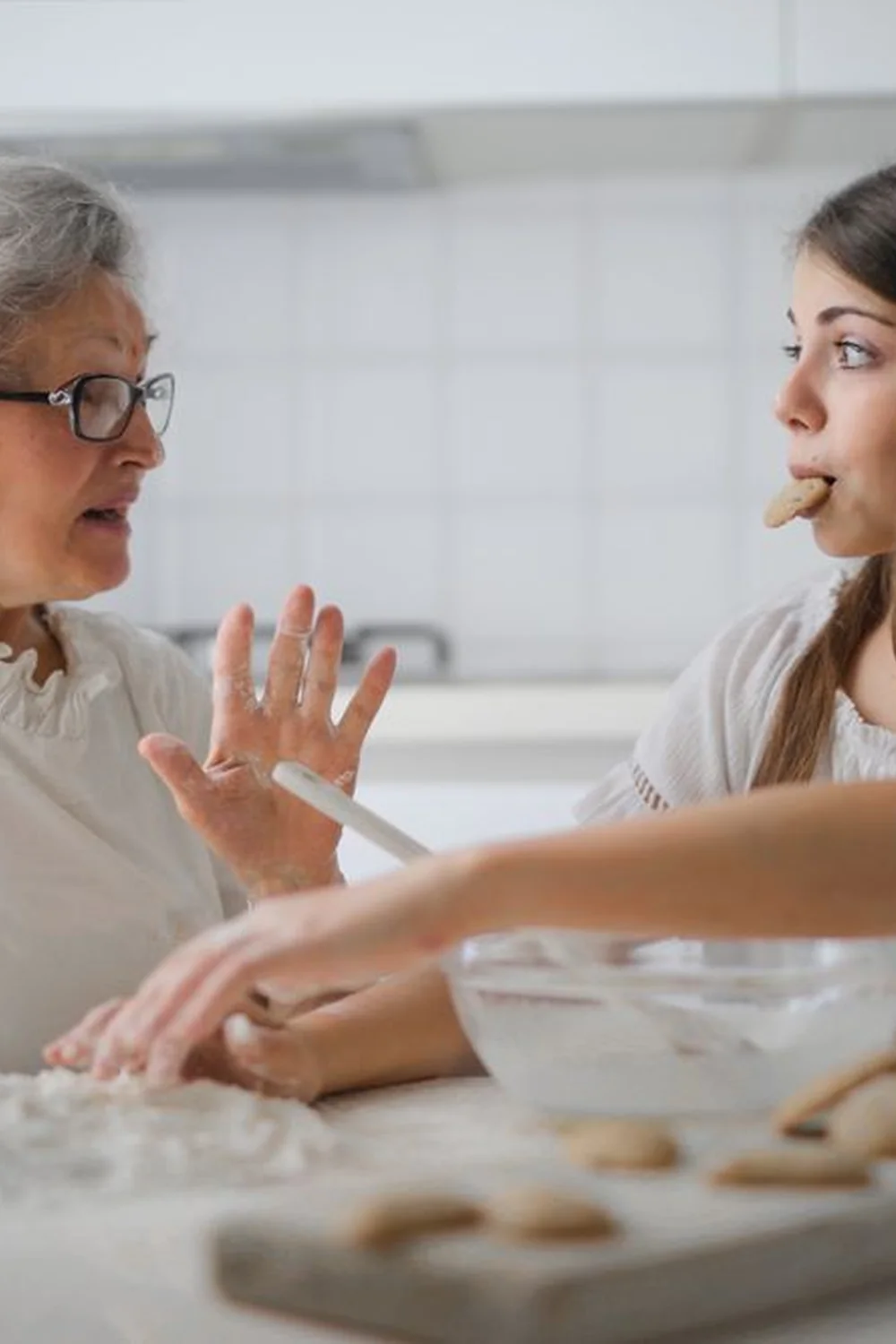
Photo by Andrea Piacquadio on Pexels
The grandmother and granddaughter in this photo are talking while they bake, the kind of easy conversation every grandparent treasures. Advice lives best inside talks like that. It goes wrong when it arrives uninvited, about jobs, money, health, houses or parenting, in the middle of a story that was only ever meant to be shared, not solved.
Unasked advice is almost always heard the same way, you are handling this wrong. The listener stops telling you things, not because they do not value what you know, but because every update has started to come with homework attached. Silence from an adult child is often just self protection, not rejection.
A gentler way: Ask one small question first, would you like an idea, or would you like me to just listen? Advice that is invited in lands as love. Advice that barges in lands as control.
4. Spoiling the Grandkids Against House Rules
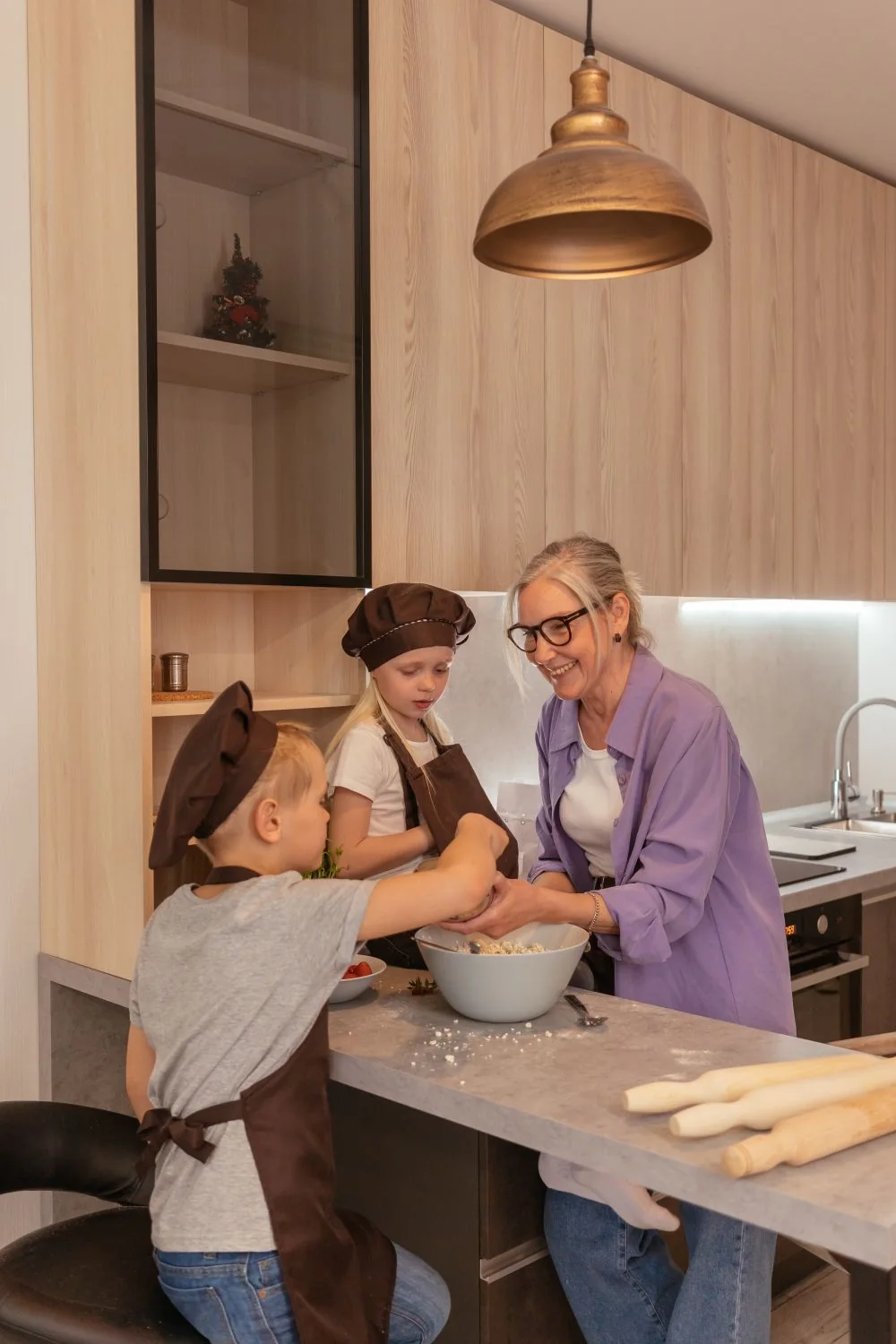
Photo by Mikhail Nilov on Pexels
Spoiling grandchildren is one of the great joys of this stage of life, and the grandmother in this photo, baking happily with two grandchildren in a modern kitchen, is living it. The trouble starts when the treats ignore the house rules, sweets right before dinner, extra screen time that was earned away, a bedtime pushed an hour later because saying no felt too hard.
Your grandchildren will not remember the rule you bent. Their parents will remember the wired, overtired evening that followed, and having to be the strict ones in their own story again. When visits leave chaos behind them, parents start spacing the visits out, and nobody in that picture wanted less time together.
Say this instead: Check the rule first, then spoil generously inside it. What is allowed before dinner at your house? Extra stories, a trip to the park and baking together spoil a child beautifully without undoing anyone.
5. Comparing Siblings, Cousins and Other Grandparents

Photo by Kampus Production on Pexels
Among the things grandparents do that sting the longest, comparisons may rank near the top. They often slip out at tables like the one in this photo, where grandparents, parents and kids are having dinner together. Your sister calls every day. Their cousins sit so nicely. The other grandparents took them away for a whole week. Each line is small, and each one is remembered.
The person being compared hears that love and approval in this family are ranked, and the person being praised rarely enjoys being used as the standard. Children at the table hear it too, and they learn to measure themselves against cousins instead of simply enjoying being together.
A kinder way: Talk to each person about their own life, on its own terms. I love hearing what you have been up to lately makes someone feel seen, never scored.
6. Turning Every Visit Into a Guilt Trip

Photo by Teona Swift on Pexels
The woman in this photo, sitting pensively by a window in a softly lit room, could be any grandparent on a quiet afternoon, missing people who used to fill the house. That loneliness is real, and it deserves tenderness. It goes wrong at the goodbye, with lines like, I suppose you are too busy for me now, or, I never see you anymore, said to the people who just came.
Guilt makes the next visit feel like an obligation, and obligations are the first thing a busy family postpones. So the visits get fewer, the loneliness gets deeper, and the words get heavier. It is the saddest loop in family life, and it starts with a feeling that was completely understandable.
Try this instead: Say the feeling plainly and attach a warm, specific plan. I miss you, come for lunch on Sunday, I am making soup. Invitations get accepted. Accusations get avoided.
7. Commenting on Weight, Work and Life Choices

Photo by Askar Abayev on Pexels
Family meals should feel like the one in this photo, an elderly woman laughing with her family over dinner in a garden. Too many tables go quiet instead, after a run of personal comments. You have gained a little weight. When are you changing that job? A bigger house, a baby, a partner, a different town, each question can sound caring to you and like an inspection to them.
Adult children start editing what they share when every update invites a review. They skip the news, keep the conversation shallow, and dread the questions they know are coming. You end up knowing less about their real lives, which is the exact opposite of the closeness you were reaching for.
A gentler way: Ask open questions and admire effort out loud. How is work treating you these days, and you look well, tell me what has been good lately, keep the table warm and the news flowing.
8. Expecting Holidays to Run the Old Way

Photo by cottonbro studio on Pexels
The senior couple in this photo, sitting with a young girl at a festive table on Christmas evening, are holding something precious, years of holidays done a beloved way. The friction comes when that way is treated as the only way. Your adult children now split holidays between two families, travel with small children, watch budgets and sometimes simply long for one quiet holiday at home.
When every change is met with disappointment, the holiday stops feeling like a celebration and starts feeling like a duty performed under review. Young families begin dreading the season you love most, and some quietly opt out altogether, which hurts everyone far more than a different menu or a different date ever could.
Say this instead: Ask early and hold plans lightly. What would work best for your family this year? Offering one treasured tradition, and letting the rest flex, keeps you at the center of the season.
9. Sharing Family News That Is Not Yours to Share

Photo by SHVETS production on Pexels
A phone call like the one in this photo, a senior woman deep in conversation, is how family news has always traveled. A pregnancy, a job loss, a diagnosis, a separation or a money worry shared with you in confidence can reach three relatives before dinner. It rarely comes from malice. It comes from pride, worry or the simple pleasure of being the one who knows.
The cost is trust, and trust is the currency news travels on. When adult children learn that private news becomes family news, they simply stop bringing you the private news. You hear the safe version, later than everyone else, and the closeness you wanted to protect quietly thins out.
A kinder way: Ask one question before you pass anything on, is this mine to share, and who would you like to tell yourself? Being the vault in a family is a position of honor, and people tell vaults everything.
Frequently Asked Questions
Why do small habits cause such strong reactions in adult children?
Because most things grandparents do come from love, adult children hate feeling frustrated by them, so the feelings build quietly instead of being discussed. Add tiredness, tight schedules and old family patterns, and a small habit can carry a lot of weight. Naming it kindly is usually all it takes to lighten it.
What if my adult child has gone quiet or distant?
Start warm and keep it light. A short message that asks for nothing, thinking of you, saw this and thought of you, rebuilds contact better than a talk about the silence. Follow it with one specific, easy invitation, and let them set the pace for a while.
How can I help my grandchildren without overstepping?
Ask what would help, follow the house rules in their home, and accept a no with good grace. Help that respects the parents in charge is the help that gets requested again and again, and requested help is where the sweetest grandparent time lives.
What should I do when I disagree with a parenting decision?
Unless a child is unsafe, support the decision in the moment and raise any real concern later, privately and once. Then let it go. Being backed up by you, even while disagreeing quietly, is one of the greatest gifts a grandparent can give a young parent.
Is it too late to repair a strained relationship?
Rarely. Families are remarkably forgiving when they see steady, small changes over time. One habit softened, one apology offered without excuses, and one invitation at a time can rebuild warmth that felt lost. Effort noticed is effort rewarded.
Love That Leaves the Door Open
You do not need a perfect record to be a beloved grandparent. Pick one habit from this list, the one you recognize most, and practice its kinder swap on the next visit or the next call. Small changes, repeated with warmth, turn good intentions into something your family can actually feel, which is all you ever wanted them to feel.
If this tender spot feels familiar, my guides to things grandparents do that annoy adult children, the 9 things your adult kids wish youd stop saying and adult children pull away from their parents go deeper, gently, and may help you see the pattern from the other side. Your experience matters and your love matters. Offered with a little care for how it lands, the things grandparents do can keep bringing your family closer for years to come.