

Here is a truth that surprises almost everyone who hears it. People rarely guess your age from your face. They read it from your behavior, in the first few minutes of a conversation, from how you react when something changes, complains, confuses or challenges you.
That is why some women in their seventies feel startlingly current in any room, while others seem older than their years before they have finished their first cup of coffee. The difference is not money, not beauty routines, and not pretending to be twenty five. It is a handful of everyday habits, and habits, thankfully, can be changed at any age.
Psychologists who study how we perceive age point to the same pattern again and again. Flexibility reads as young. Rigidity reads as old. So let us look honestly at the behaviors that make you seem older than you are, not to scold anyone, but because every single one of them has a kinder, fresher alternative.
Quick Tips Before You Start
Before the ten behaviors, here is the encouraging news underneath all of them. None of these changes requires a new wardrobe, a new phone or a new personality. They are small shifts in reaction, and reactions can be practiced.
- Notice, do not judge: Catching yourself mid habit is progress, not failure. Awareness is the entire first step, and it is the hardest one.
- Swap, do not suppress: Every behavior below has a replacement. It is far easier to say the new sentence than to simply bite back the old one.
- One habit per week: Ten changes at once will exhaust anyone. Choose the one friends would probably name first, and give it seven gentle days.
- Stay kind to yourself: These patterns took decades to build. They were often learned as politeness, pride or self protection, and they deserve patience, not shame.
1. Complaining About How Things Used to Be
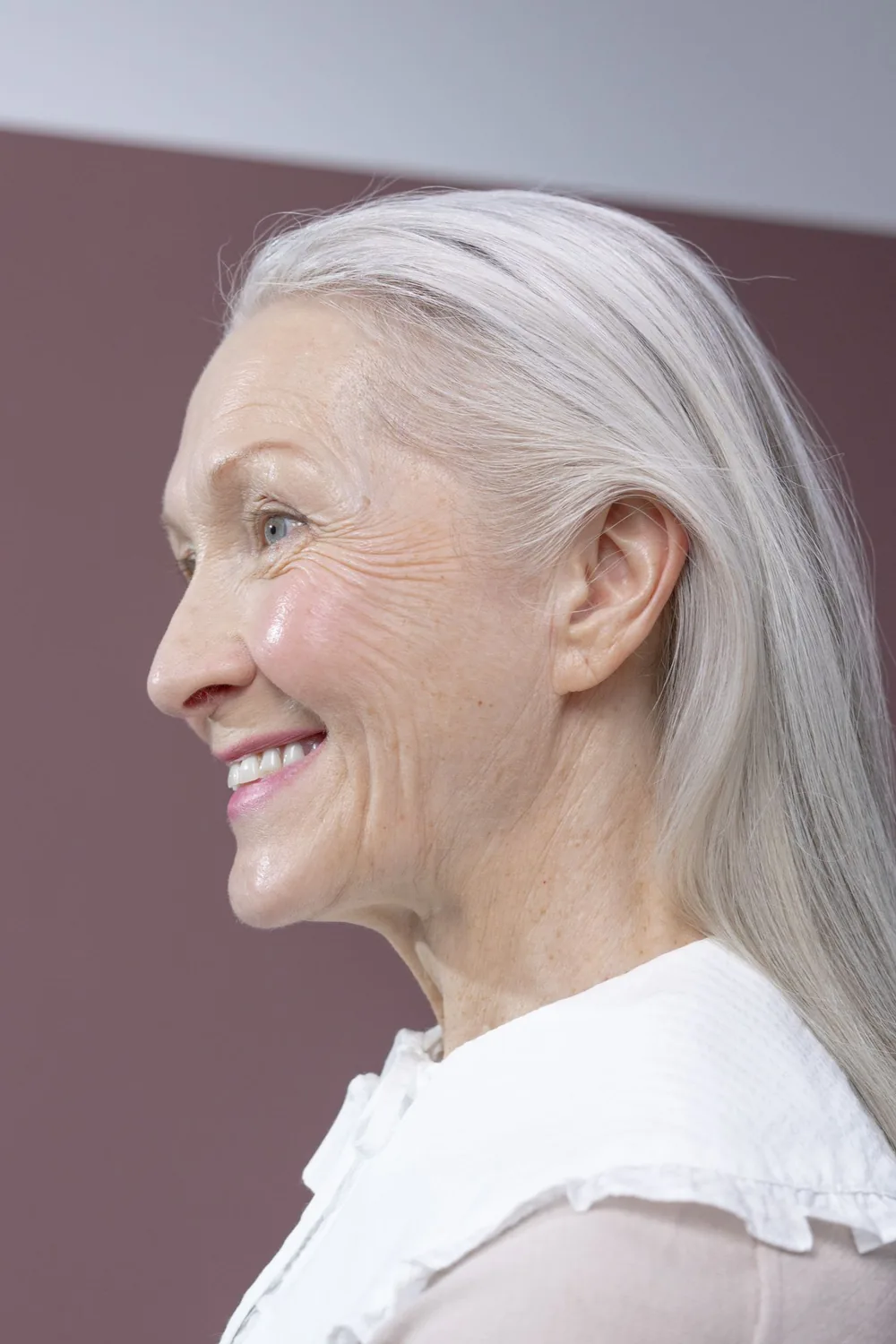
Photo by cottonbro studio on Pexels
It slips out so easily. They do not make them like they used to. In my day, this was built properly. The comment feels like standards, like experience speaking. To the person listening, though, it quietly announces that your reference point for normal sits ten or twenty years in the past.
Nostalgia itself is lovely. Stories about the past, told with warmth, are one of the great pleasures of a long life. The aging effect comes when comparison becomes the default response to everything new, a broken kettle, a changed menu, a different way of doing things at work. The present keeps losing a contest it never entered.
Try noticing the decline, if it is real, and then simply choosing differently next time, without the broadcast. The conversation stays in the present tense, and so, noticeably, do you.
Try this: Once a day, catch one comparison to the past and replace it with a comment about today. Small, daily, and surprisingly powerful.
2. Refusing to Learn the New App or System
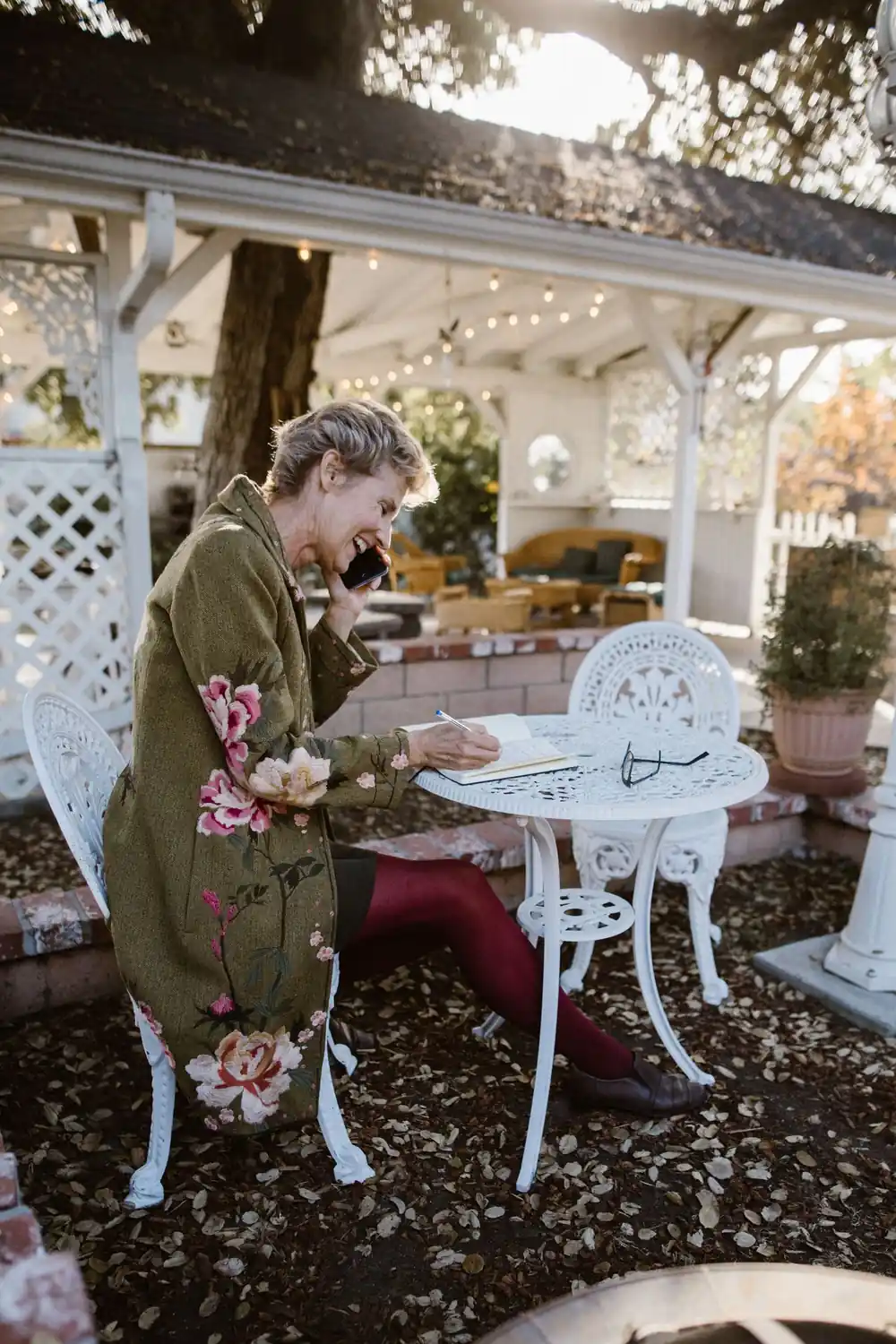
Photo by RDNE Stock project on Pexels
The parking meter no longer takes coins. The restaurant menu lives behind a code on the table. The appointment is booked through a screen instead of a voice. Every woman over fifty meets these moments weekly now, and the moment itself is never the problem. The reaction is what the room remembers.
Announcing that you will not learn it, or that the old way was better, asks the world to stop changing so you can stay comfortable. That request, however reasonable it feels, is exactly what psychologists describe when they talk about rigidity. Meanwhile the woman beside you, same age, same confusion, quietly scans, taps and gets on with her lunch.
You do not have to love the new system or praise it. You only have to use it without narrating the resistance. Competence, calmly displayed, is one of the youngest signals a person can send.
Gentle reminder: Never open with an apology for your age or a joke about being a dinosaur. Ask one question, learn the one step you need, and move on with your day.
3. Over Explaining Your Discomfort

Photo by SHVETS production on Pexels
The booth is low, the chair is hard, the room is loud, and before anyone has ordered, the whole table has received a detailed briefing on your knees, your back and your sleep last night. It feels like friendly honesty. What it actually does is move you, in everyone’s mind, from peer to patient.
Here is the quiet truth. Nearly everyone over forty at that table has something that aches. The difference is that some people handle their needs privately and briefly, while others narrate them. Narration draws a circle around a limitation and invites the group to organize the evening around it.
Ask for exactly what you need, a chair with a back, a quieter corner, an earlier table, and give no medical backstory at all. A simple preference stated plainly keeps you an equal at the table, which is where you belong.
Say this: I would prefer a chair, thank you. That is the whole sentence. Your comfort matters, and it does not need an audience or an explanation.
4. Treating Younger Adults Like Children

Photo by Centre for Ageing Better on Pexels
It is meant as warmth. A nickname for the young colleague, a pat of advice delivered to a grown niece as if she were twelve, a well done, sweetheart offered to a professional in her thirties. The intention is kindness, and the effect, almost every time, is the opposite.
Younger adults hear diminutives as rank being pulled. The nickname tells them you see the age gap before you see the person, and it quietly suggests that your own confidence needs their smallness to feel secure. Few things date a speaker faster than talking down while believing they are being friendly.
The fix costs nothing. Use people’s names. Ask their opinion on the problem in front of you, and let your experience speak through the quality of your work and words rather than through seniority. Respect, offered evenly in every direction, reads as modern at any age.
Remember: If you cannot remember a name, simply ask for it again. A forgotten name is human. A nickname used to cover it is a habit worth retiring today.
5. Saying I Am Too Old for This

Photo by Kampus Production on Pexels
It sounds harmless, even funny. I am too old for late nights, too old for new music, too old for learning that. Said often enough, though, the sentence stops being a joke and becomes an instruction your own mind follows. Energy genuinely drops after we announce it is gone.
Researchers who study self directed ageism describe this as a self fulfilling prophecy. Tell yourself you cannot handle an evening out, and your body stops preparing to handle it. Tell a room you are too old, and the room, politely and permanently, starts believing you and inviting you to less.
There is a simple, honest replacement. State the preference, not the age. I prefer somewhere quieter. I am heading home at ten. Same boundary, completely different signal, and you keep every door open that you may want next month.
Try this: For one week, ban the phrase entirely and swap in a plain preference each time. Notice how much younger the week feels from the inside.
6. Giving Advice From a World That No Longer Exists

Photo by RDNE Stock project on Pexels
Walk in, ask for the manager, hand over a printed resume. Phone every morning until they hire you. The advice was excellent once, and offering it feels like generosity. But tactical advice has an expiry date, and handing over an expired map tells a young person you have not looked at the territory in years.
The beautiful exception is everything about human nature. How to apologize properly, how to read a tense room, how to negotiate without burning a bridge, how to recover from embarrassment with grace. That data does not expire, and it is where your decades become genuinely priceless.
When you are not sure which kind your advice is, ask a question instead. What are you trying at the moment. Listening first turns you from a lecturer into a mentor, and mentors never go out of date.
Gentle reminder: Share patterns about people freely. Be cautious with instructions about systems. One ages like wisdom, the other like milk.
7. Answering Every Question With Your Resume

Photo by Ivan S on Pexels
Someone new asks what you have been up to, and out comes the highlight reel. The division you ran, the title you held, the years you were indispensable somewhere that has since changed its name twice. It feels like establishing credibility. It sounds, to fresh ears, like a person whose best chapter is filed in the past.
People are not really asking for your history. They are looking for a point of connection in the present, something current they can respond to, build on or share. A past achievement gives a listener nowhere to go except applause, and polite applause is where conversations go to end.
Talk instead about what has your attention right now. A project, a puzzle, a class, a plan, even a small frustration from this very week. A current challenge invites company. A finished triumph only invites a nod.
Say this: Lately I have been working on, and then name something real from this month. Watch how much longer, and warmer, the conversation runs.
8. Refusing to Use New Words
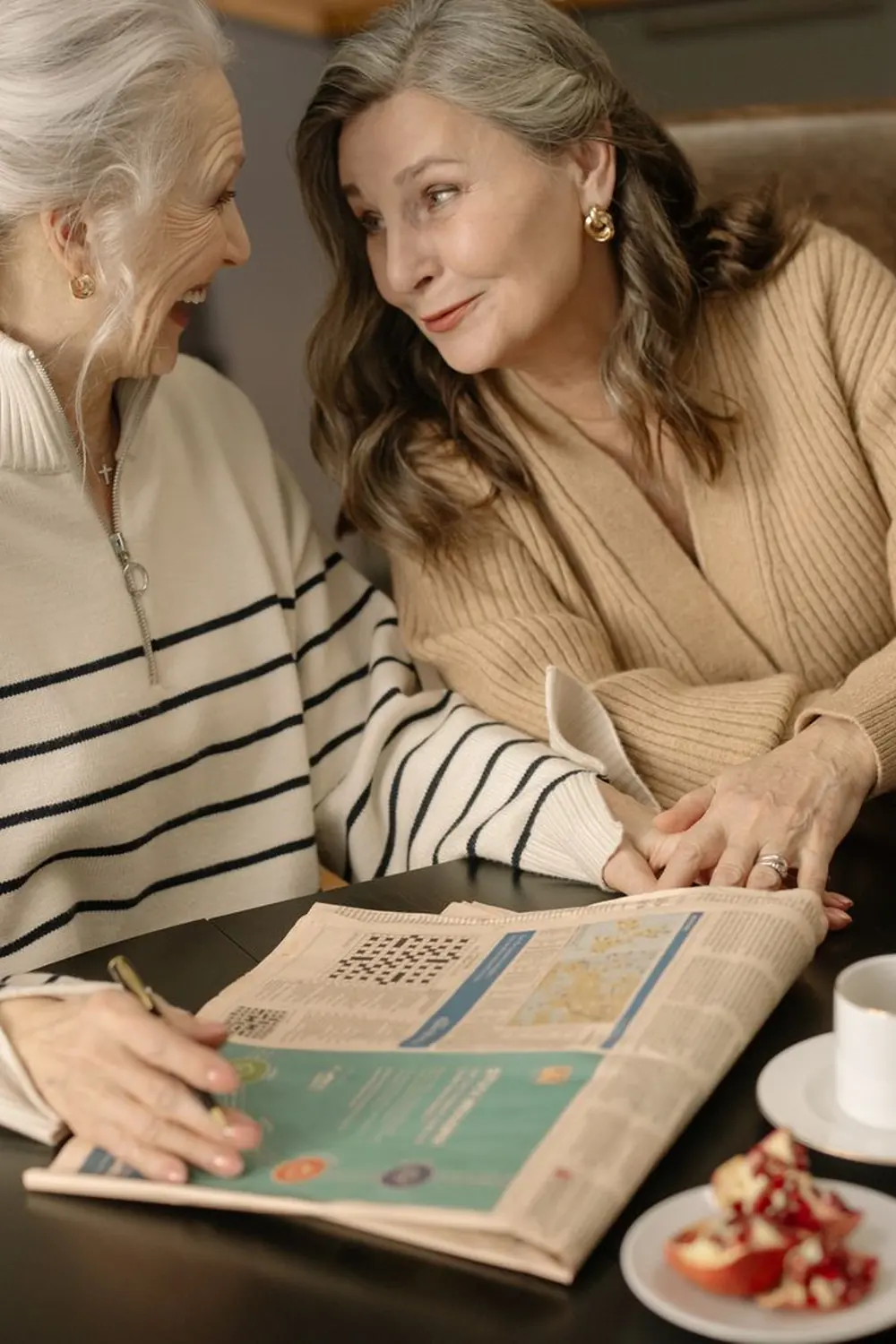
Photo by cottonbro studio on Pexels
Language shifts under every generation, and each of us eventually meets a word, a name or a form of address that feels unfamiliar in the mouth. Stumbling over it is completely human. Refusing it outright, loudly, as a matter of principle, is where the trouble starts.
A flat refusal tells the room that being right matters more to you than being kind, and that learning one small new habit is more than you are willing to do. Psychologists file this under the same rigidity as the parking meter standoff. It is never really about the word. It is about whether the mind is still moving.
The graceful move takes three seconds. Use the word, and if you get it wrong, correct yourself lightly and carry on. Sorry, I meant they, my mistake. Nobody remembers the stumble. Everyone remembers the willingness.
Remember: Curiosity is the youngest posture there is. Asking what a word means keeps you in the conversation. Refusing it politely excuses you from the room.
9. Apologizing for Technology Before You Begin

Photo by PNW Production on Pexels
The video call opens and the first two minutes are a monologue. Sorry, I am hopeless with this, bear with me, my grandson usually does this part. It is meant to soften the room. Instead it trains everyone listening to expect incompetence, and to route future opportunities around you.
Every preemptive apology hands away a little authority. Colleagues stop copying you on the new system, family members stop asking your view on anything digital, and slowly the sidelining you joked about becomes the sidelining that actually happens. The joke was the instruction.
Simply begin. Good morning, everyone, and then your actual point. If something freezes, fix it or ask one plain question, the way you would with a stuck drawer. Calm problem solving, at any age, reads as capability, because it is.
Watch out: Self deprecating tech jokes feel like charm and land like a warning label. Drop them for a month and notice who starts taking you more seriously.
10. Dressing in a Costume From Another Decade

Photo by Susanna Marsiglia on Pexels
Let us end with the gentlest one, because it is about joy, not rules. Nobody needs to chase trends, wear what twenty year olds wear, or spend a fortune to look current. The aging signal is not a classic wardrobe. It is a frozen one, the exact same silhouette, fabrics and finish worn untouched for twenty years, as if attention itself stopped one spring.
A frozen wardrobe quietly tells the world you stopped looking. The refresh that matters is small and kind. Soften a rigid jacket into a modern knit layer, update one proportion, trade a dated shoe for a cleaner line, let a current color near your face. The woman in the mirror suddenly looks like she lives in this year, because she does.
Think of it as editing, not replacing. Your taste, your comfort and your favorite pieces all stay. They simply get introduced to the present day, the same way you are asking your habits to be.
Try this: Change one element this week, a softer layer, a modern shoe or a fresh color near your face, and notice how people respond to the update.
Frequently Asked Questions
Can these habits really be changed after decades?
Yes, and usually faster than people expect. These are reactions, not traits, and reactions respond beautifully to a week or two of gentle attention. Most women find the first habit is the hardest and the rest follow almost on their own.
Do I have to act young or copy younger people to seem younger?
Not at all. Nothing here asks you to imitate anyone. The goal is flexibility, curiosity and present tense conversation, which are not young qualities. They are alive qualities, and they are available at every age.
Which behavior makes the biggest difference fastest?
For most women it is retiring the phrase I am too old for this, together with the technology apologies. Both announce decline before anything has happened, and both can be swapped for a plain, confident sentence starting today.
What if my friends all talk this way and I feel odd changing?
Change quietly and let the results speak. You will likely find that one friend admits she has been feeling the same way, and your small experiment becomes a shared one. Freshness, like everything else, is contagious.
You Are as Current as Your Next Reaction
If a few of these behaviors felt uncomfortably familiar, take that as good news rather than a verdict. Every item on this list is a habit, and habits are the most changeable things about us. You do not need a new face, a new age or a new life. You need one new reaction, practiced kindly, in ordinary moments, starting with the very next conversation.
Make it easy on yourself this week. Choose one small update, perhaps a softer layer from your must have clothes for women over 50, a refresh guided by wardrobe staples women over 50 truly rely on, or one of the smart casual outfits for women over 50 that already make you feel like yourself on a good day. Then walk into the week curious, unhurried and entirely in the present tense, which is where you have belonged all along.