

There is a particular ache that comes with mourning a parent who is still alive, and it is one few people feel able to name out loud. Your parent is here, you can still hold their hand, yet the person you knew is changing or slipping away, and the loss feels real long before any goodbye.
After 50 this grief often arrives alongside everything else. You may be managing memory loss, a difficult diagnosis, addiction, or a long estrangement, while also caring for grandchildren, working, and quietly wondering why you feel so tired, guilty, and sad at the same time.
This page will not rush you or tidy your feelings into a neat lesson. It simply names what mourning a parent who is still alive can look like, offers gentle words for hard moments, and shares small, kind steps that other daughters and sons have found steadying.
Small Comforts for the Hardest Days
- Let both things be true. You can love your parent deeply and grieve them at the same time. One feeling does not cancel the other.
- Name it privately first. Writing the words, I am grieving someone who is still here, in a notebook can make the feeling easier to carry.
- Keep one small ritual. A weekly call, a shared cup of tea, or looking at one old photo together keeps a thread of connection alive.
- Rest without apologising. This kind of grief is exhausting. Short rests are not weakness, they are part of coping.
- Tell one safe person. Choose one friend who listens without fixing. Being believed is often the first real relief.
1. The Parent You Knew Is Changing in Front of You

Photo by brightside.me
With dementia, illness, or simply the changes of very old age, the parent who once advised you may now need you to decide everything. The voice is familiar, the face is familiar, but the conversations you relied on are no longer there in the same way.
Many women tell me the hardest moment is an ordinary one. You share good news and wait for the reaction that used to come, and instead there is confusion, silence, or a stranger like politeness where warmth used to live.
Remember: You are not grieving wrongly. You are grieving a relationship that is changing, and that is a real loss.
2. You Grieve Conversations That Will Never Happen Now

Photo by renascer-foto.lovable.app
There are talks you always assumed there would be time for. The apology, the family story asked one more time, the simple question about how they coped when they were your age. As a parent fades or withdraws, those doors close quietly, one by one.
It can help to write the questions down anyway, and to ask relatives what they remember. You may not get the answer from your parent, but the story sometimes survives in a sibling, a cousin, or an old letter kept in a drawer.
Try this: Write one unsent letter this week. Say the thing you wish you could say, then keep it somewhere private and safe.
3. Guilt Arrives Because They Are Still Here

Photo by psihorelatii.ro
A painful part of mourning a parent who is still alive is the guilt that follows the sadness. You may think you have no right to grieve while they are living, or feel disloyal for missing someone who is sitting in the next room.
Please hear this clearly. Missing who your parent was does not mean you are ungrateful for who they still are. You can bring soup, sit through a difficult appointment, and still cry in the car afterwards. Both are love.
Remember: Grief is not a complaint about your parent. It is a measure of how much the relationship has meant to you.
4. Estrangement Has Its Own Quiet Mourning

Photo by personalbrandphotography.se
For some readers the distance is not illness but estrangement. A parent may be alive, living a full life, and yet closed to you because of old conflict, a new partner, or choices neither side fully understands. There is no hospital bed to sit beside, just birthdays that pass without a call.
If this is your story, allow yourself the same tenderness you would give anyone else who is grieving. You might say to a trusted friend, I miss having a mother in my life, even though my mother is alive. Naming it honestly is often the beginning of peace.
Say this: I am sad about how things are between us, and I am still wishing you well from a distance.
5. Family Members Grieve at Different Speeds

Photo by thesoulfix.com
One sibling wants to talk about every change, another insists everything is fine, and a third lives far away and judges from a distance. These different speeds can make mourning a parent who is still alive feel lonely even inside your own family.
Try to resist keeping score of who visits most or cares most. People often hide grief inside practical talk, humour, or silence. A gentle line can reopen the door, such as, I think we are all missing Mum in different ways, and I would love us to be kind to each other while we adjust.
Watch out: Avoid sending long, emotional messages late at night. A short, calm note in the morning lands far more kindly.
6. Ordinary Days Can Hurt More Than Big Ones
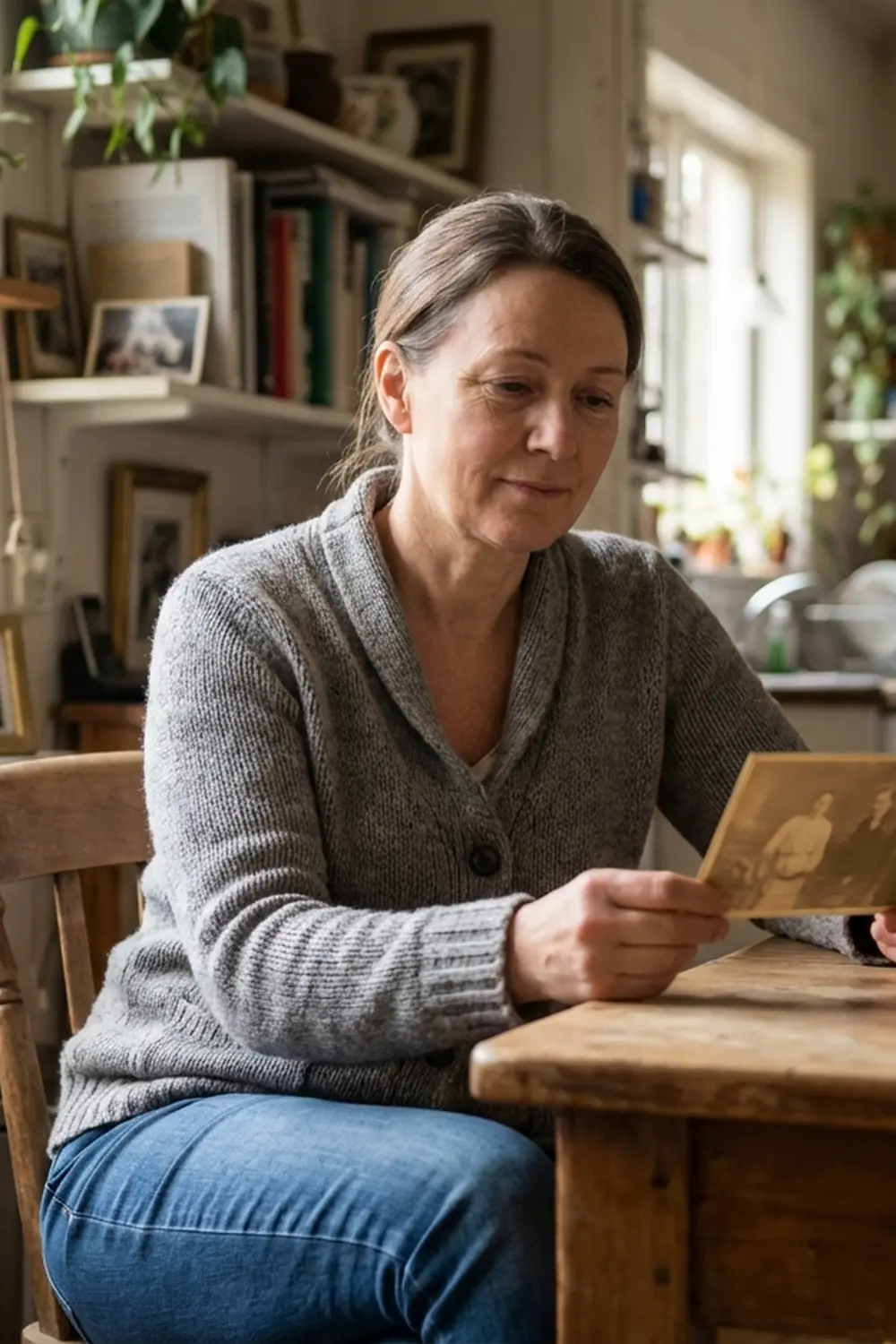
Photo by seniorsdumonde.fr
Everyone expects holidays to be hard. What surprises many people is the ordinary Tuesday, the smell of a familiar perfume in a shop, a song on the radio, or setting the table and reaching for one plate too many out of habit.
When a wave like this arrives, it helps to pause rather than push through. Step outside for air, hold something warm, and let the feeling move through you for a few minutes. Waves of grief are intense, but they do rise and fall.
Try this: Keep a small comfort kit ready, tissues, a favourite tea, and one photo that makes you smile, for the days that ambush you.
7. You Are Allowed to Enjoy the Moments That Remain

Photo by hammershearingmendota.com
Even inside this grief, there can be laughter. A parent with memory loss may still enjoy music, still squeeze your hand, still light up at a favourite pudding. Enjoying those moments is not denial, and it does not make your sadness any less real.
Some families keep a simple notebook of small good moments, a funny remark, a calm afternoon, a song sung together. On the hardest days, reading it back is proof that love did not disappear, it simply changed its shape.
Remember: A good afternoon does not erase the hard ones, and the hard ones do not erase the good. Your heart can hold both.
8. Support Exists, Even If It Has a Different Name

Photo by kinfolds.com
Because there has been no funeral, support rarely arrives on its own. There are no flowers, no cards, and often no words from friends who simply do not know what to say. That silence is one reason mourning a parent who is still alive stays so hidden.
Look for support under other names. Carer groups, dementia cafes, faith communities, and counsellors who understand ambiguous loss can all help. Online groups for adult children can be a lifeline at 2 in the morning when the house is quiet and your thoughts are not.
Try this: Choose one group or one counsellor to contact this week. You do not have to commit, just make the first gentle enquiry.
Questions Women Ask Me About This Grief
Is it normal to grieve someone who has not died?
Yes, completely. Psychologists often call it ambiguous loss, grieving someone who is physically present but changed, or emotionally absent. It is one of the most common and least talked about forms of grief after 50.
Why do I feel guilty for being sad?
Because love and loyalty get tangled together. Feeling sad about the changes does not mean you are failing your parent. It usually means the relationship matters deeply to you.
What can I say when people tell me to be grateful they are still here?
A calm reply works well. You might say, I am grateful, and I am also sad about how much has changed. Both things are true for me right now.
How do I support my parent while I am grieving?
Keep things small and steady. Short, calm visits, familiar music, and simple routines help you both. You do not need long, intense visits to prove your love.
When should I look for professional help?
If sadness is stopping you sleeping, eating, or getting through ordinary days for weeks at a time, please talk to your doctor or a counsellor. Asking for help is a strength, not a failure.
One Small Step for This Week
If mourning a parent who is still alive is part of your life right now, please be as gentle with yourself as you would be with a dear friend in the same place. Choose one small step this week, write the letter, join the group, tell the friend, or simply sit with your parent and enjoy one quiet cup of tea together. You do not have to carry this unnamed grief in silence any longer.