

In many families there is one person who smooths the sharp edges at every gathering, and very often that person grew up in the middle, which is exactly how middle children family peacemaker stories begin in home after home.
The oldest child often gets the responsibility and the youngest gets the attention, while the middle child learns to read the room, calm the waters and keep everyone talking. After 50, many of us are either that middle child or the mother of one.
This piece looks at 8 reasons middles become the peacekeepers, with an honest example for each, and names the quiet cost they pay. It ends with kind, ready to use ways the whole family can share the peace work more fairly.
Quick Tips for Families With a Middle Peacemaker
If your family has a middle peacemaker, these small shifts share the load and tell that person, in actions, that their peace matters too. These habits help any middle children family peacemaker feel less alone in the role.
- Thank the peacemaker out loud: Name the work at the table, not just in private. Being seen changes everything.
- Share the hard calls: Rotate who phones an upset relative, so it is not always the same calm voice.
- Check feelings, not just facts: Ask the middle child how they are, and wait for the real answer.
- Let small tensions sit: Not every silence needs fixing. Give the peacemaker permission to stay out of it.
- Invite their opinion early: Ask what they think before asking them to calm what everyone else decided.
1. They Learned Early to Read the Room

Photo by @denos7836
A middle child grows up watching. The oldest is busy being first, the youngest is busy being adored, and the middle one studies faces at the dinner table to work out what mood the evening will be. That watching becomes a lifelong skill.
For example, an adult middle daughter can tell within a minute of arriving whether her parents have argued, just from how the kettle is put down. Reading a room is the first tool of every peacemaker.
Remember: That radar never switches off, even at happy events. If your middle child seems tired after gatherings, this quiet scanning is often why.
2. They Practiced Negotiating Between Two Worlds

Photo by @elainesbongoingmad
Middles live between an older siblings rules and a younger siblings needs, translating in both directions from childhood. By adulthood, settling a dispute between two adults feels like a language they have always spoken.
For example, when brothers stop speaking over a loan, it is usually the middle sister who finds the wording that lets both save face. That is the middle children family peacemaker pattern in its clearest form.
Try this: Next time a middle negotiates for others, ask them to name what they themselves would choose, before the compromise is agreed.
3. Attention Was Scarcer, So Harmony Felt Safer
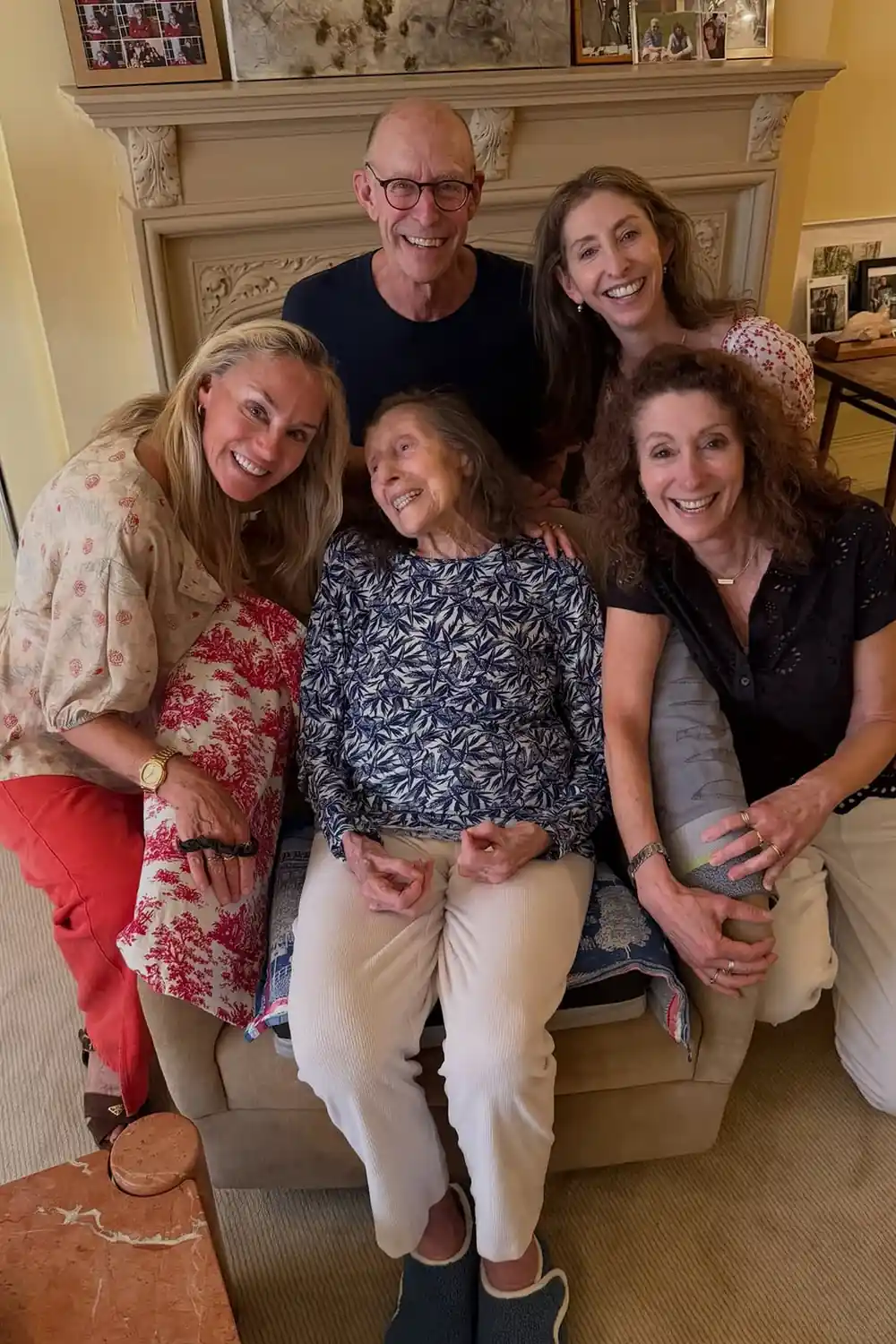
Photo by @tracy.pollan
Many middles describe a childhood where attention arrived most reliably when things went wrong or when they made things right. Keeping the peace became a way to matter, and to keep home feeling safe.
For example, a middle son learns young that a calm joke after his parents argue brings his mother smile back. A child will repeat whatever brings the warmth back into the room.
Watch out: If a child only feels noticed when fixing problems, praise their ordinary presence too. Compliment the person, not just the peace they produce.
4. They Became Experts at Staying Neutral

Photo by @claudinesaab
To keep both sides talking, middles learn to hide their own verdict. They listen fully, repeat each side fairly, and rarely say what they really think, because taking a side ends their usefulness as a bridge.
For example, at a family meeting about a parents care, the middle child presents every option calmly, including the one she privately disagrees with. Neutrality is skilled work, and it can be lonely.
Say this: Try, Before you tell us what everyone else thinks, tell us what you think. We can hear it, and it counts here.
5. The Cost, Their Own Needs Go Last
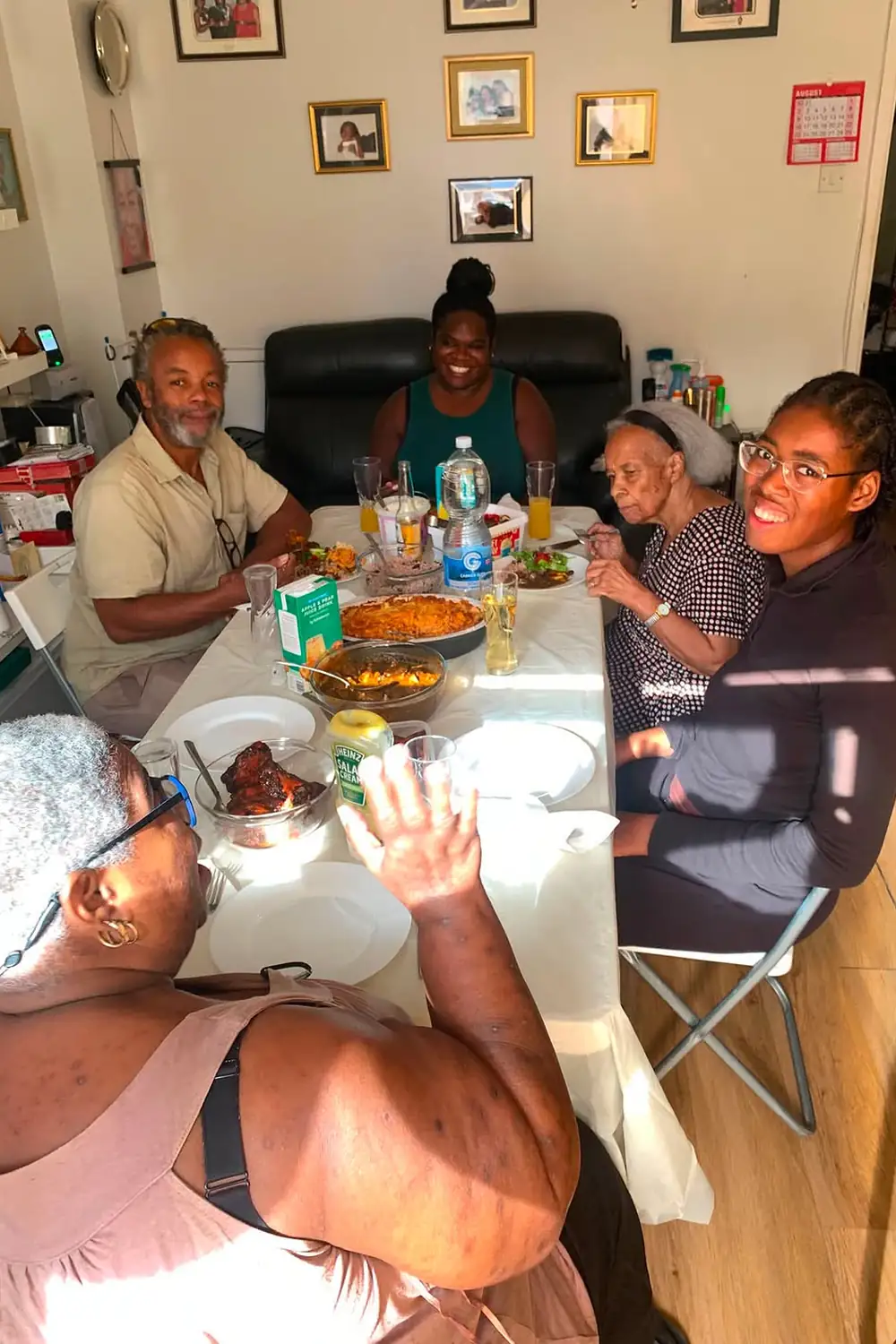
Photo by @garyholder_music
Peace work trains a person to scan everyone else first. Over decades, many middle children become fluent in other peoples needs and strangely tongue tied about their own, even for simple things like rest, help or a birthday plan.
For example, the middle daughter who organizes every family event cannot say what she wants for her own sixtieth, and laughs it off. That laugh often covers a real blank where her wishes should be.
Try this: Ask a direct, small question and accept a small answer. What would make this weekend good for you is easier to answer than a grand question about happiness.
6. The Cost, Quiet Resentment Builds Slowly

Photo by @_benwilliamson
Most peacemakers do not explode. They withdraw. A middle child who has absorbed decades of family tension may go quiet, skip gatherings or answer in short, polite lines, and the family calls it distance without seeing the cause.
For example, a middle son who settled every holiday dispute stops coming for the full day and leaves after dessert. He is not cold. He is tired in a way sleep does not fix.
Remember: A peacemakers withdrawal is usually a signal, not a rejection. A gentle, private check in works far better than a group interrogation at the table.
7. The Cost, They Struggle to Receive Care

Photo by @daftar3602
Giving calm is easy for middles. Receiving it feels foreign. When illness, grief or hard times arrive, the family peacemaker often insists they are fine and keeps organizing everyone else, because being cared for was never their role.
For example, after her own hospital stay, a middle daughter hosts Sunday lunch a week later against advice. The kitchen is where her role lives, and resting feels like losing her place.
Watch out: Do not ask a recovering peacemaker what you can do and accept the first nothing. Take one job off their list yourself and say it is already handled.
8. The Healing, Naming the Role Changes It
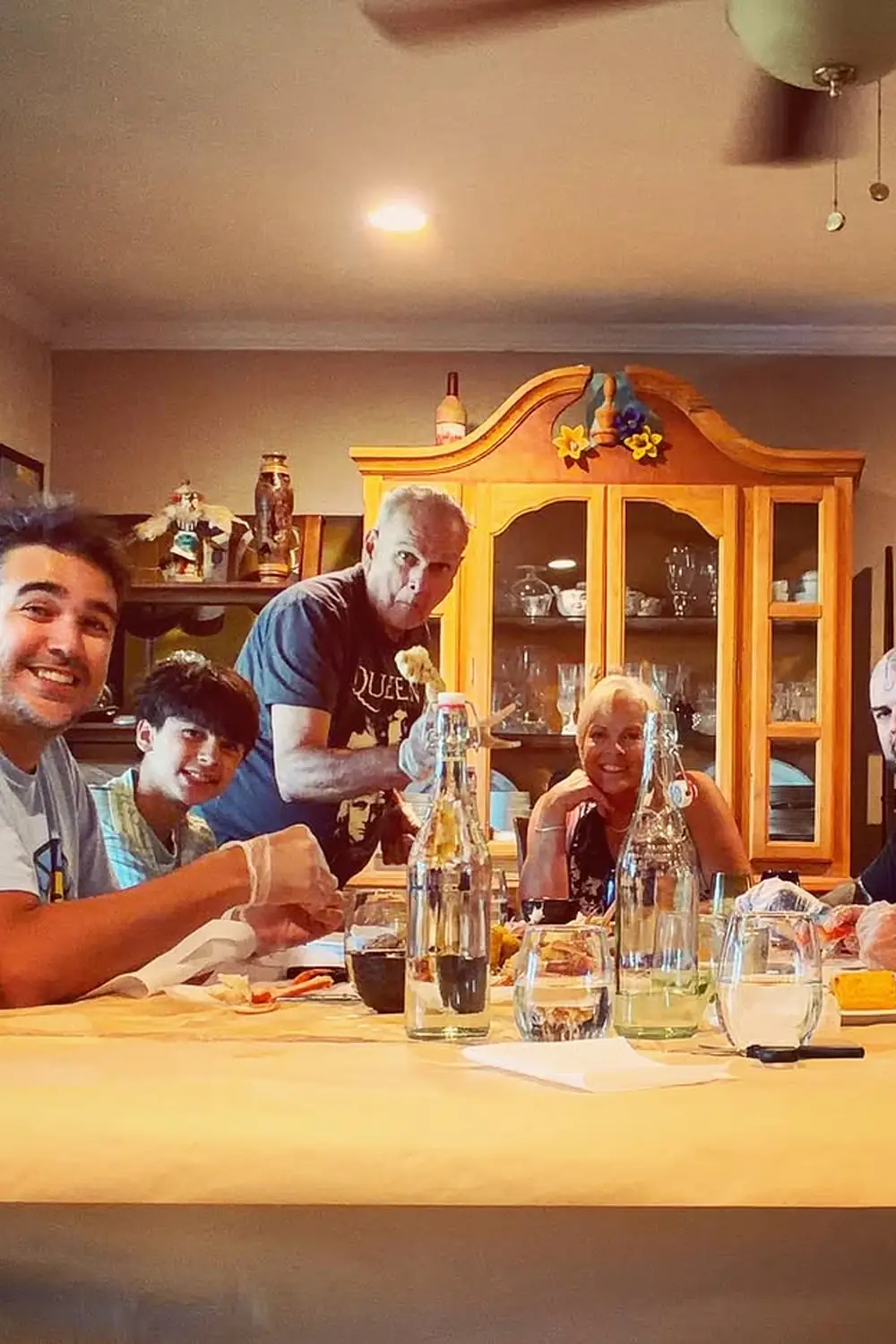
Photo by @morgothbeatz
The hopeful truth is that roles soften once they are spoken. When a family names the pattern with warmth, the middle child can lay down the bridge job, siblings can share it, and peace becomes a family habit instead of one persons burden.
For example, one family began rotating who hosts, who phones their difficult uncle and who checks in after hard news, and their middle sister cried with relief at the first dinner she only had to enjoy. That is the kinder ending every middle children family peacemaker story deserves.
Say this: Try, You have kept the peace in this family for years, and we see it now. From today, we are sharing that job, and your only task this Sunday is to enjoy lunch.
Frequently Asked Questions
Is the middle child always the peacemaker?
No. Birth order shapes chances, not destiny. Temperament, parents and life events matter too. Still, the middle children family peacemaker pattern is common enough to be worth naming in most homes. But middles are placed between siblings so often that the negotiator role finds them more than most.
How can parents avoid overloading a middle child?
Share the peace work early. Rotate small jobs, praise the middle child for who they are, not only for calming others, and never send messages to siblings through them.
What if I am the middle child and I am exhausted?
Start with one boundary, kindly stated. Skip one mediation, let one silence sit, or leave one gathering on time. Small steps prove to you and your family that the world holds together without your constant care.
Can sibling roles really change after 50?
Yes. Roles soften when families name them with humor and warmth, and when new habits, like rotating the hard calls, give the change something practical to stand on.
How do I thank a peacemaker sibling properly?
Be specific and be public. Name the years of quiet work at the table, then back the words with action by taking one regular peace job off their hands for good.
A Fairer Share of the Peace
Take one small action step this week. If you are a middle child, let one small tension alone and watch the family manage it. If you love a middle child, take one peace job from their list and do it without being asked twice. Every small step like that loosens the middle children family peacemaker role a little more.
And when the next family table is set, arrive ready to simply enjoy it, perhaps with help from our thanksgiving dinner outfit ideas or these christmas sweater outfits. Peace tastes best when it is shared, and so does lunch.