
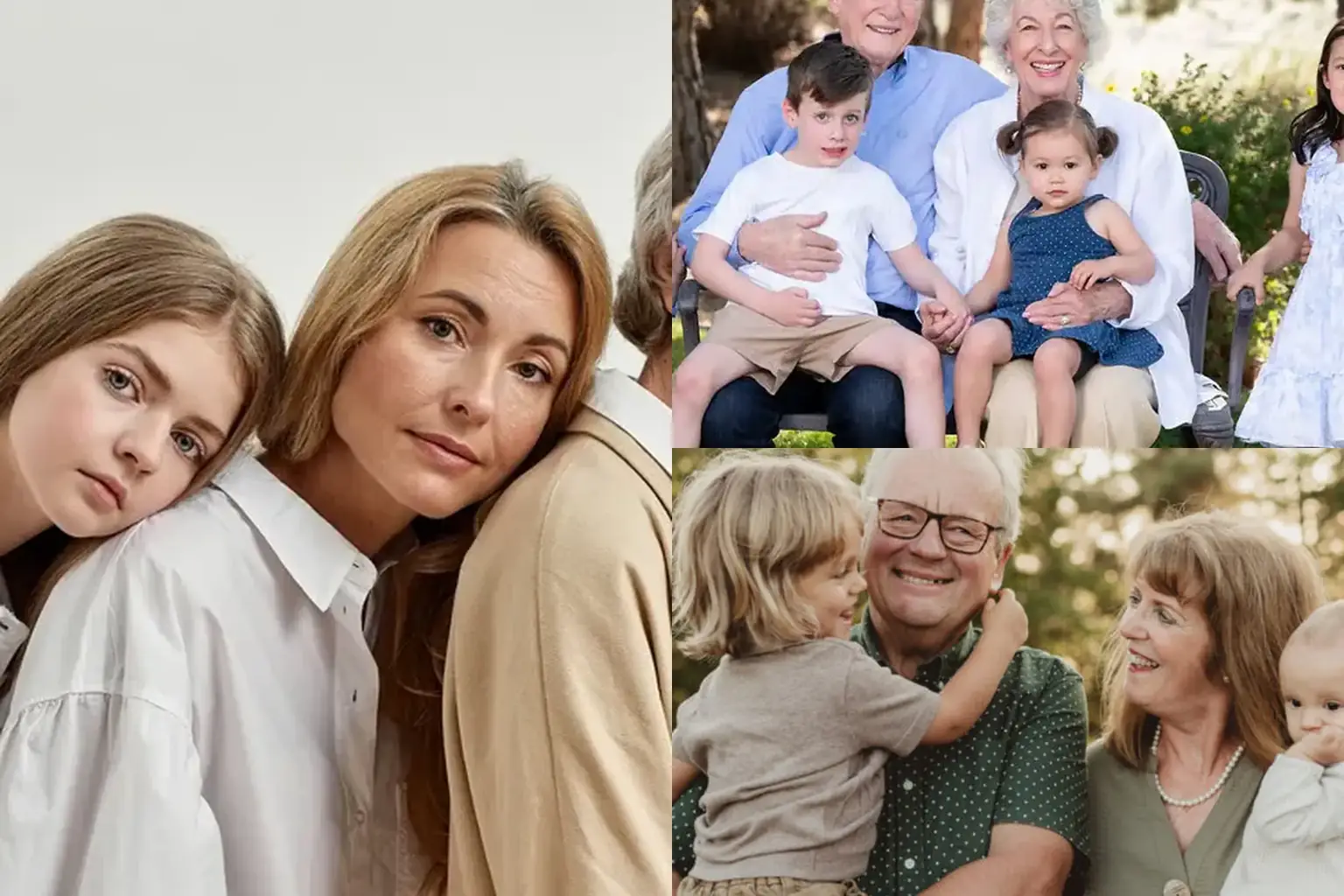
It usually arrives as a joke that is not quite a joke. A sibling calls you the golden child at a family dinner, everyone laughs, and something small and uncomfortable stays with you on the drive home. Were you really treated differently, and did they mind more than they ever said?
Being the favorite rarely feels like winning. It can come with pressure to stay perfect, guilt you cannot explain, and a quiet distance from brothers and sisters you love. Many adults over 50 are only now looking back at their childhood home with honest eyes.
These 10 favorite child signs will help you read your own family story clearly. Not to blame your parents or yourself, but to understand the pattern, and maybe to soften something between you and your siblings while there is still plenty of time.
A Quick, Honest Starting Point
Before the list, four things worth holding in mind as you read. Working through these favorite child signs takes honesty, and a little kindness toward everyone in the story, including yourself.
- Favoritism is usually unconscious. Most parents do not plan it. Temperament, birth order, shared interests or a difficult season can tilt attention without anyone deciding it should.
- Being favored is not being spoiled. Many favorite children worked hard for approval and felt they could never relax or fail safely.
- Siblings remember differently. Your memory of a fair home and their memory of a tilted one can both feel completely true.
- Understanding is not accusing. Naming a pattern is the first step to changing how it plays out at family gatherings now.
- Repair is usually possible. A single honest, kind conversation has softened decades of quiet resentment in many families.
1. Your Mistakes Were Explained, Theirs Were Punished

Photo by @skylum
Every child breaks rules. The difference was in the response. When you slipped up, there was a reason, a hard week, a misunderstanding. When a sibling did the same thing, it was carelessness or attitude, and the consequence arrived quickly.
It is one of the earliest favorite child signs many siblings remember clearly. Over years, that gap teaches a painful lesson. One child learns the home is forgiving, the others learn it is a courtroom. As adults, siblings often remember specific incidents with startling clarity, even when you barely remember them at all.
Try this: If a sibling recalls an old unfair moment in detail, believe their memory of the feeling, even if yours differs.
2. You Were Praised in Public, They Were Corrected in Public
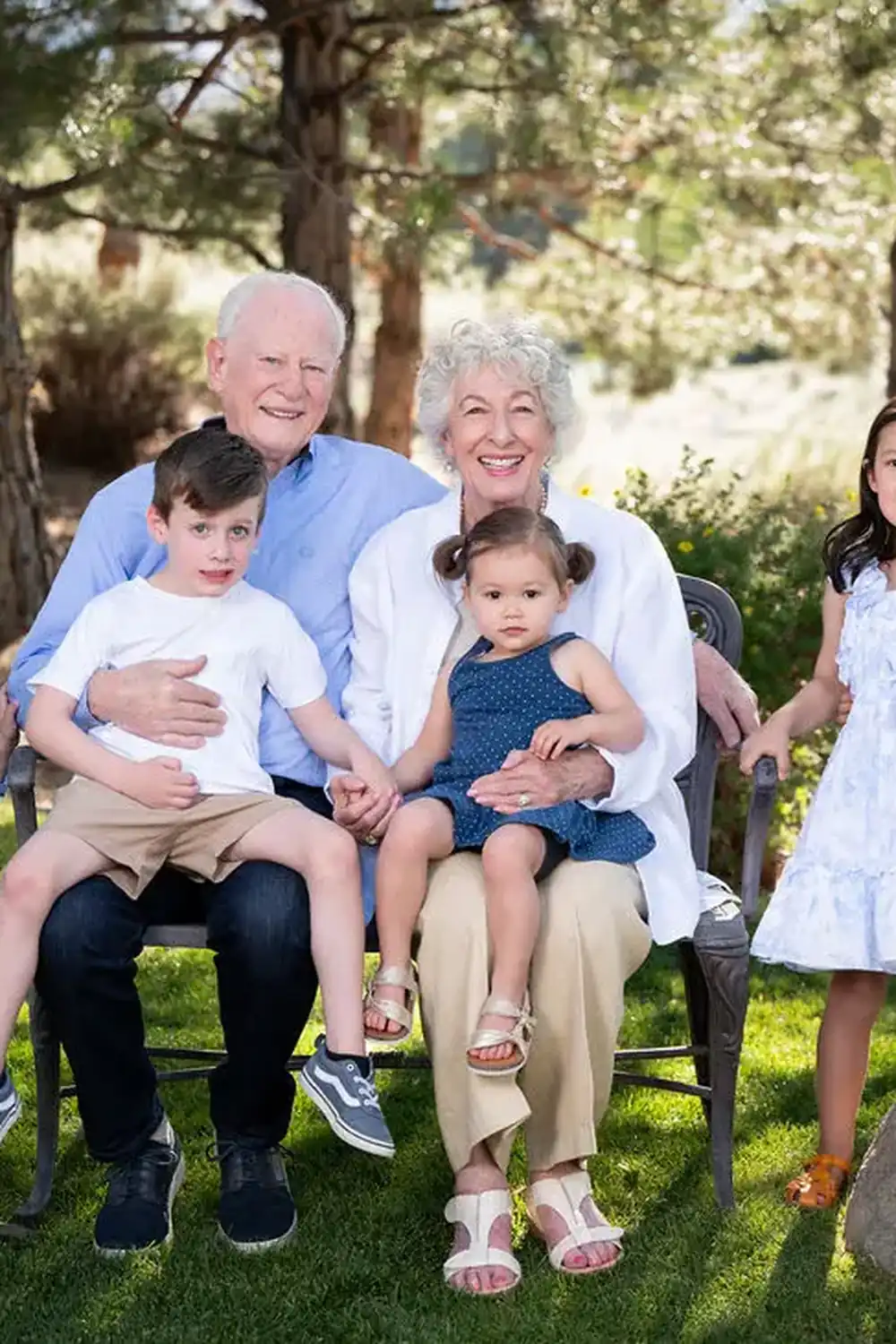
Photo by @ezellimages
At family gatherings, your news was announced with pride, your grades, your job, your children. A sibling achievements might pass with a nod, while their shortcomings became table conversation, sometimes dressed up as teasing.
Public praise and public correction shape how the whole extended family sees each child. Cousins, aunts and in laws absorb the ranking without anyone stating it, and adult siblings can still feel that old spotlight, or that old shadow, at every gathering.
Say this: Notice who still gets teased about the same childhood failing at family events. Old jokes often carry old rankings.
3. Your Parents Confided in You First
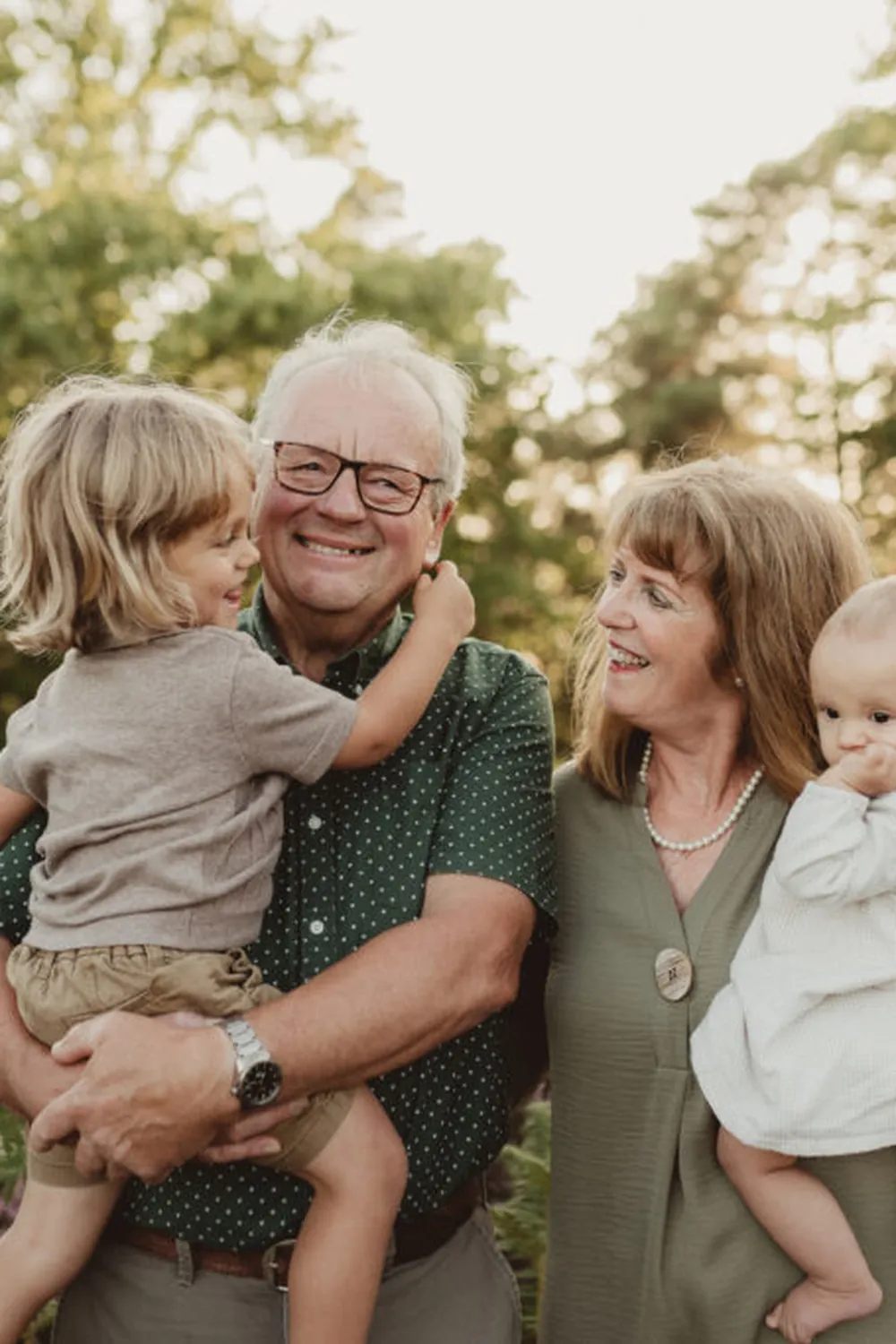
Photo by @andthensheclicked
You heard the family news before anyone else. The health scare, the money worry, the plan, the problem with another sibling. Being the trusted one felt like closeness, and in many ways it was, but it also placed you in the middle of the family.
Siblings notice who gets told first, even when nobody says so. It signals who sits closest to the center. It can also burden the favorite with secrets and loyalties that pull against their sibling relationships.
Remember: When a parent shares news with you first, gently suggest telling everyone together, so nobody learns they were last to know.
4. Your Needs Set the Family Schedule

Photo by @jennahidingerphotography
Family plans bent around your exams, your work, your visits and your children timetable. Holidays were held when you could come. Meals waited for you. Siblings adjusted, quietly, again and again, until adjusting felt like their assigned role.
One of the clearest favorite child signs is this invisible choreography, where one person convenience becomes the family default. The resentment is rarely about one dinner. It is about years of small signals about whose time counted most.
Watch out: Try, This year, let us plan around your dates first. Mine can flex, and I would like them to.
5. You Got the Benefit of Every Doubt
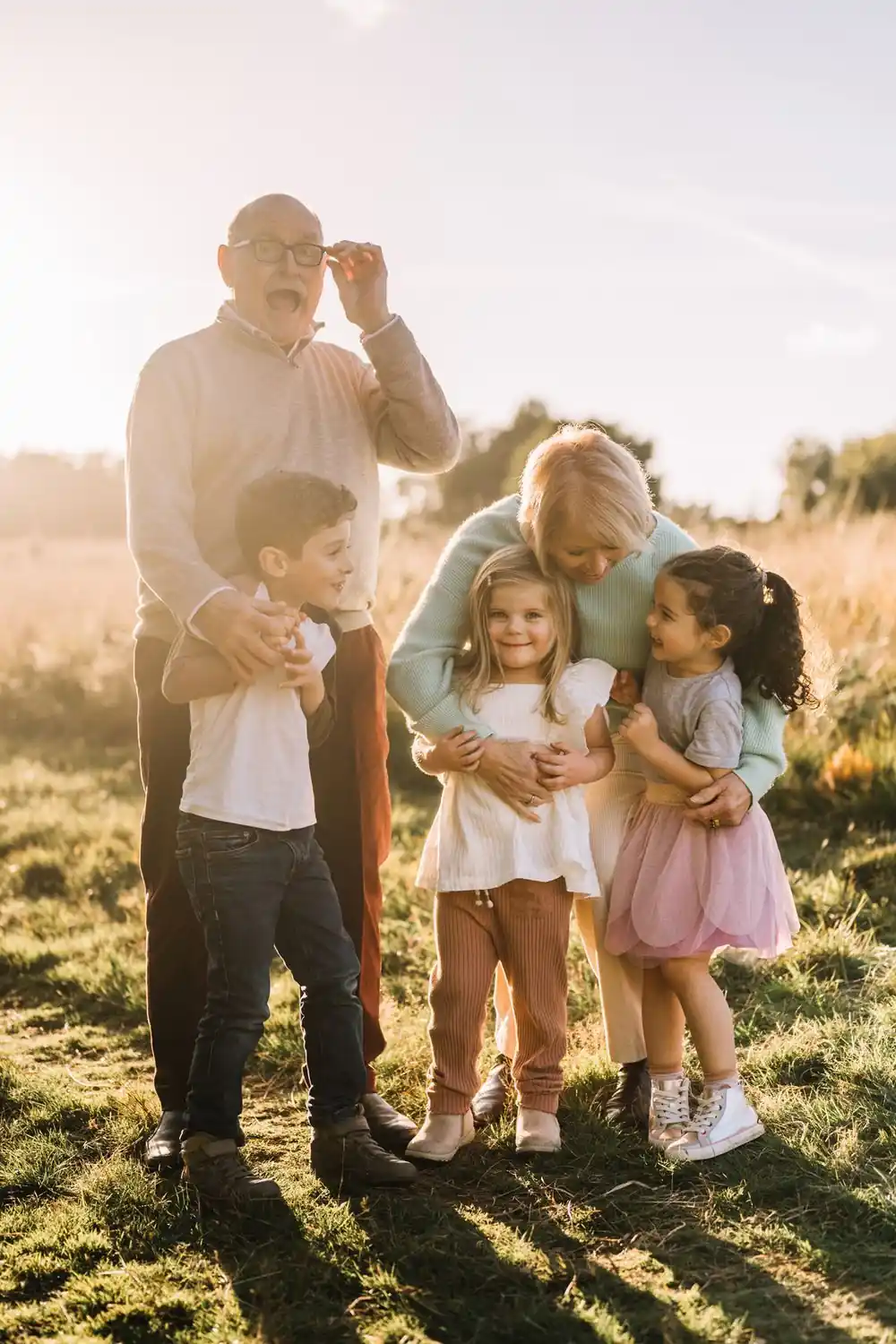
Photo by @dominiquebader
When stories conflicted, yours was believed a little faster. When money was shared, your need was understood a little more readily. When you and a sibling argued, a parent stepped in on your side of the story just a touch more often.
None of these moments is huge alone. Together, across twenty years, they build a deep sibling conviction that the scales were never level. That conviction, unspoken, is what leaks out as sarcasm, distance or sudden coldness in adult life.
Try this: Resentment usually targets the pattern, not you personally, even when it comes out aimed at you.
6. Your Siblings Tease You About It Constantly

Photo by @hannahsphotography
The jokes are the tell. Golden child, teacher pet, the favorite, said with a smile that does not quite reach the eyes. Families often process real grievances through humor, because humor is the only safe container they have.
If the same joke has run for thirty years, it is not really a joke anymore. It is a message that has never found a serious moment to land in. Hearing it properly, perhaps for the first time, can change the whole tone between you.
Say this: Next time the joke lands, answer it gently and seriously, just once. Something like, I have wondered if there is some truth in that.
7. You Feel Pressure to Stay the Good One
Photo by @abiigaiilbrookephotography
Favorites often grow into adults who cannot disappoint. You mediate, you organize, you show up, you keep the peace, because your place in the family was built on being the reliable, pleasing one. Resting can feel strangely like risking your position.
This is the hidden cost on your side of the pattern. While siblings envied your closeness with your parents, you may have envied their freedom to be messy, distant or disappointing without it becoming a family event.
Remember: You are allowed to be an ordinary, imperfect sibling now. Love that needs perfection to survive was never your job to maintain alone.
8. A Sibling Went Distant and Nobody Knows Why
Photo by @stephaniereneephotography
Sometimes the resentment never becomes an argument. A brother calls less. A sister visits less, stays shorter, shares less. The family calls it busy lives, but the distance often dates back to childhood roles that never got revisited.
Distance is how many siblings handle a ranking they cannot change. They cannot demote you, so they quietly leave the table instead. Understanding this can turn your judgment of their distance into compassion for its cause.
Watch out: An honest opener can be, I have been thinking about how things were for you growing up, and I would love to hear your side.
9. Your Parents Compare Siblings to You
Photo by @katiefinnphotography
Why can you not be more settled, like your sister. Your brother managed it, why can you not. Comparison is favoritism spoken out loud, and it wounds twice. It tells one child they are lacking, and it makes you the measuring stick they are hit with.
Many favorites hate being used this way and never say so. Speaking up in the moment, lightly but clearly, is one of the most powerful repairs available to you, because it shows your siblings you see the pattern too.
Try this: Next time a comparison starts, redirect with warmth. We are different people, Mom, and she is doing that her own way.
10. Family Roles From Childhood Still Run Every Gathering
Photo by @lookphotos
Watch a holiday table closely. The favorite still gets asked their opinion last and loudest. The peacemaker still smooths. The overlooked one still goes quiet or performs. Decades pass, grandchildren arrive, and the old seating plan of the heart barely moves.
Seeing the pattern clearly is the last of the favorite child signs, and the most hopeful one. Roles that can be seen can be softened. Seating, speaking, planning and praising can all be shared more evenly, starting with one gathering.
Say this: Do not try to fix forty years in one dinner. Small, consistent fairness beats one dramatic announcement every time.
Frequently Asked Questions
Do parents really have favorites?
Research and family therapists suggest many parents do feel a closer pull toward one child, often due to temperament or shared traits, though most never say so. The feelings are common. The harm comes from visible, repeated differences in treatment.
Was it my fault I was the favorite?
No. Children do not design family systems, adults and circumstances do. You may have enjoyed some of the warmth, but enjoying a parent love is natural, not a wrongdoing.
Should I apologize to my siblings?
A general apology can feel strange, but acknowledging their experience lands well. Saying you can see things were not equal, and that you are sorry for their side of it, often means a great deal.
What if my siblings deny any resentment?
Accept their words gracefully. Not every family carries this wound, and teasing can be just teasing. Let the conversation stay light, and simply stay aware at future gatherings.
Can sibling relationships really improve after 50?
Yes, and they often do. Naming the favorite child signs you both grew up with is often where that improvement quietly begins. With parents aging and grandchildren arriving, many siblings renegotiate old roles. Honesty, fairness in practical matters and shared time without parents present all help.
One Small Step Toward Your Siblings
This week, choose one sibling and one small fairness to offer. Plan the next family date around their schedule, ask their opinion first at the table, or simply ask how childhood felt from their chair, and listen without defending. Listening is the step. The rest follows at its own pace.
You cannot rewrite the childhood you shared. But the second half of a sibling story is written by adults, and adults can choose a kinder pattern on purpose.