

There is a particular kind of older person whose eyes still light up in a conversation, and it is rarely the one with the quietest life. People who stay curious after 60 seem to collect energy from the world instead of slowly withdrawing from it, and the difference shows in a hundred small daily choices.
Most of us do not lose our curiosity in one dramatic moment. We lose it in layers, one unanswered question at a time, as routines harden, opinions settle and asking why starts to feel like hard work. The calendar is not the culprit. Habit is.
The good news is that curiosity behaves like a muscle, and muscles respond to use at any age. These 11 traits are the ones I see again and again in people who stay curious after 60, and every single one of them can be practiced, starting small, starting today.
Quick Tips Before You Start
Before the 11 traits, here is the pattern underneath all of them, the mindset that helps people stay curious after 60 long after the habit fades for others.
- Questions beat conclusions: Curious people treat most of their opinions as drafts. They would rather ask one more question than deliver one more verdict.
- New beats comfortable: They deliberately choose the unfamiliar cafe, the new author and the different route home, in small doses, every week.
- Beginner is a compliment: They are willing to be the worst person in the class, the room or the group chat, and they stay anyway.
- Attention is the real currency: They notice things. A changed shopfront, a grandchild new word, a bird they cannot name yet. Noticing is where curiosity begins.
1. They Ask Better Questions

Photo by Elgene Buhong on Pexels
Ask a curious 70 year old about her week and she will ask you three questions back, each one sharper than the last. Curious people have learned that a good question opens more doors than a good opinion, so they collect questions the way others collect certainties.
Their questions are specific and genuinely open. Not the polite filler of small talk, but the kind that makes the other person pause and think. It is a social skill and a learning habit in one, and it keeps every conversation feeling like fresh air.
Try this: In your next conversation, ask one question you do not already know the answer to, then stay quiet long enough to really hear it.
2. They Read Widely and Often

Photo by Pavel Danilyuk on Pexels
The curious older readers I know are gloriously unfaithful to one genre. A history book sits beside a thriller, a gardening manual beside a memoir. Reading widely keeps the mind meeting strangers, and strangers are where new thoughts come from.
They also read against their own views on purpose. A newspaper column they expect to disagree with, a novel from a country they have never visited. The point is not agreement. The point is contact with a mind that is not theirs.
Reading tip: Keep two books going at once, one familiar comfort and one small stretch. Ten pages of the stretch book a day is plenty.
3. They Stay Beginners on Purpose

Photo by Greta Hoffman on Pexels
Nothing protects curiosity like regularly being bad at something new. The women I admire most have started pottery at 66, Italian at 70 and line dancing at 74, badly at first, and cheerfully. Being a beginner keeps the learning machinery oiled.
Beginners cannot coast on reputation, and that is the gift. Every wobbly first attempt reminds the brain that growth is still available, which is exactly the belief that helps people stay curious after 60 instead of quietly retiring from effort.
Start small: Pick one tiny new skill this month, a chord, a recipe, a phone feature. Small and finished beats grand and abandoned.
4. They Listen More Than They Talk

Photo by Kampus Production on Pexels
Listen to a curious person in a group and you will notice the ratio. They talk less than you expect, and when they do speak, it is often to draw somebody else out. Listening is curiosity with its mouth closed.
This is harder than it sounds, because listening well means tolerating the pause where your own story wants to jump in. Curious listeners have trained that pause. They know the best part of a story usually arrives after the first comfortable stopping point.
Listening tip: Ask, and then what happened. Those four words will teach you more about the people you love than a year of polite chats.
5. They Keep Friends of Different Ages
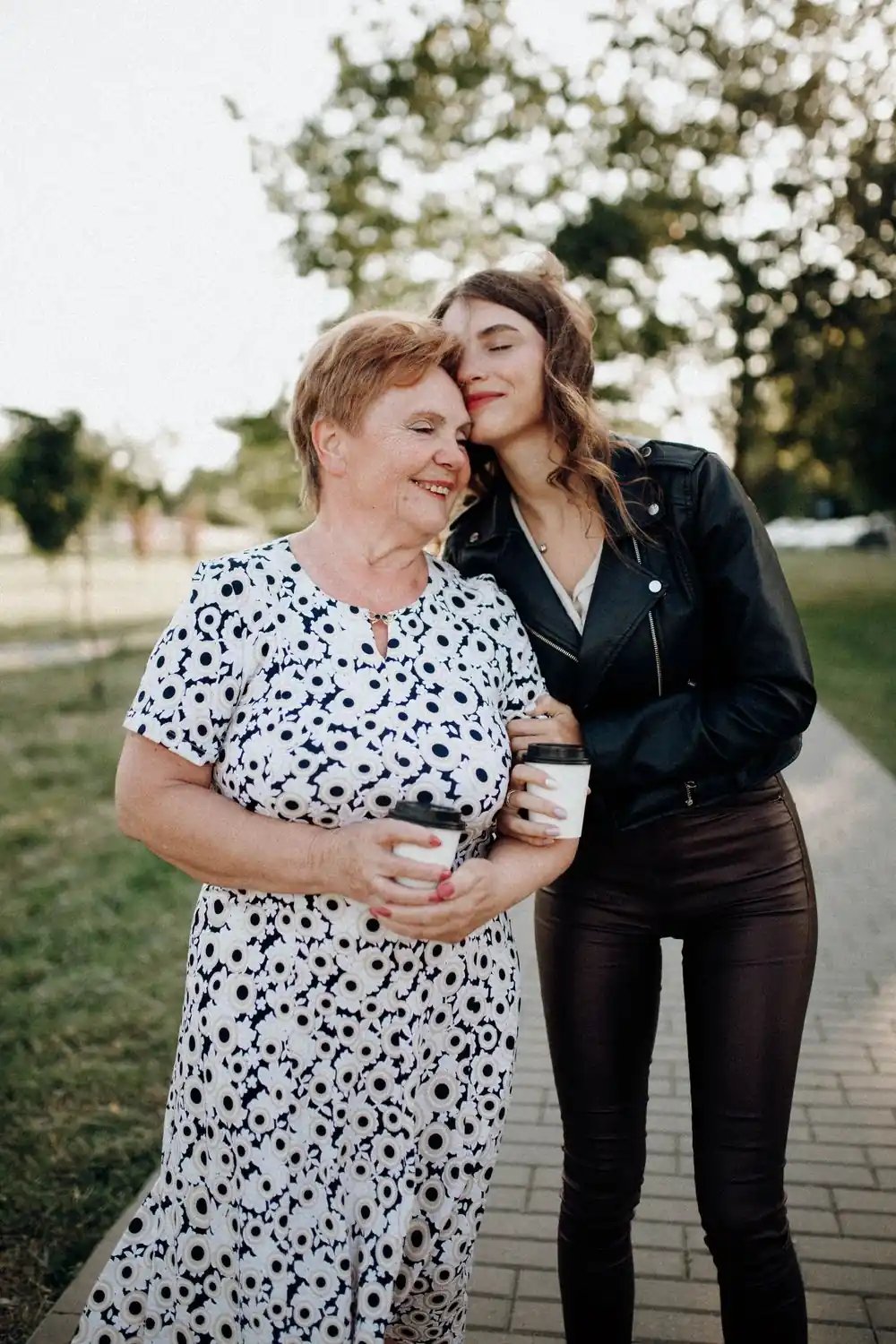
Photo by Danik Prihodko on Pexels
Curiosity loves company, and mixed age friendships are its favorite kind. A friend in her thirties brings new music, new slang and new problems. A friend in her eighties brings perspective no book can match. Both stretch the mind in opposite, healthy directions.
Curious older adults rarely let their whole social world shrink to one generation. They join things, volunteer, mentor and chat to neighbors, not from duty, but because different ages keep the world feeling unfinished and interesting.
Try this: Say yes to one invitation outside your usual circle this month, even if you can only stay an hour.
6. They Travel With Their Eyes Open

Photo by RDNE Stock project on Pexels
For curious people, travel is not a reward for finishing life. It is one of the ways they keep living it. And travel does not need a passport. A new town an hour away, explored slowly on foot, can feed curiosity for weeks.
They travel like students rather than judges. The food is interesting before it is strange, the customs are a puzzle before they are an inconvenience. That posture, humble and observant, is the same one they bring to ordinary Tuesdays at home.
Travel tip: On your next trip, choose one thing to learn properly, the local bread, the history of one street, three phrases of the language.
7. They Follow Small Interests Deeply

Photo by cottonbro studio on Pexels
Ask a curious older person about her hobby and prepare to be educated. Bird identification, family history, sourdough, local politics, the moons of Jupiter. The topic hardly matters. The depth does. Deep interests give the mind somewhere satisfying to go.
This is one of the clearest habits of people who stay curious after 60. They let a small fascination grow teeth. They buy the guidebook, join the society, bore their families happily at lunch, and in doing so they keep one part of life permanently in motion.
Interest tip: Take your smallest current interest and spend one hour going deeper this week. Depths are where the pleasure hides.
8. They Admit What They Do Not Know

Photo by Kaboompics on Pexels
I do not know is a sentence curious people say easily and often, without flinching. It costs them nothing, because their self respect was never built on being right about everything. For many of us, that sentence gets harder with age. For them, it gets easier.
Admitting ignorance out loud does something wonderful. It gives other people permission to teach you, and it turns everyday life into a place where answers can still arrive. A mind that can say I do not know is a mind still open for business.
Say this: Swap I should know that by now for, tell me more about that. The first sentence closes a door. The second one opens it.
9. They Keep a Notebook of Wonders

Photo by Marcus Aurelius on Pexels
Many curious older people I know keep some version of a notebook. Not a diary of grievances, but a catch net for interesting things, a line from a novel, a question from a grandchild, the name of a tree they finally identified.
The notebook matters because curiosity is forgetful. Noticing something is only half the habit. Recording it tells your brain that noticing is worthwhile, so it notices more. It is the simplest training loop I know for anyone learning to stay curious in a busy, distracting world.
Notebook tip: One line a day is enough. Date it, write the wonder, close the book. Reviewing old pages in winter is its own quiet pleasure.
10. They Let Their Opinions Change

Photo by Moe Magners on Pexels
Perhaps the bravest trait of all is this one. Curious people hold their opinions up to new evidence and, sometimes, put a long held view gently down. They do not experience this as losing an argument with life. They experience it as life still teaching them.
Changing your mind after 60 takes real confidence, because so much of identity gets tangled up in our positions. The curious have untangled it. Being wrong in public, gracefully, has become proof to them that they are still growing rather than merely aging.
Mindset tip: Once a month, ask yourself what you have changed your mind about lately. If the answer is nothing, go and read something that challenges you.
11. They Protect Time for Play

Photo by RDNE Stock project on Pexels
The last trait surprises people. Curious adults play. They do puzzles badly, sing in kitchens, take the long way home because it is prettier, and treat fun as information rather than a guilty pleasure. Play is curiosity with its tie loosened.
Play also protects the other ten traits. A rested, amused mind asks better questions, listens longer and forgives itself for being a beginner. People who stay curious after 60 guard their playtime the way earlier generations guarded their savings, on principle.
Play tip: Put one deliberately unproductive hour in this week diary and defend it like a dentist appointment. Curiosity grows in unhurried soil.
Frequently Asked Questions
Can you really become more curious later in life?
Yes, and the research on adult learning is encouraging on exactly this point. Curiosity is a habit of attention more than a fixed personality trait. Small daily practices, one question, one new route, one unfamiliar author, rebuild it steadily at any age.
What is the first trait I should work on?
Start with admitting what you do not know. It is the doorway trait. Once saying I do not know feels safe again, questions, listening and beginner experiences all become much easier to attempt.
Does curiosity really affect health after 60?
Staying mentally and socially engaged is consistently linked with better mood and sharper thinking as we age. Curiosity keeps you learning, moving and connected to people, and those three things do a great deal of quiet protective work.
How do I stay curious when my routine is very fixed?
Work inside the routine rather than against it. Same walk, new observation. Same shop, one new ingredient. Same friends, one deeper question. Curiosity does not need a new life. It needs fresh eyes on the one you have.
What if the people around me are not curious at all?
Then you may need to import some curiosity. A class, a club, a library group or an online community built around an interest will put you among people who ask questions for pleasure. One curious friend can restart the whole habit.
Curiosity Is a Practice, Not a Personality
Take one small action step today. Write down one genuine question you do not know the answer to, about anything at all, and spend ten minutes chasing it. That tiny chase, repeated, is honestly most of how people stay curious after 60 for decades.
If you enjoyed this, you may also like reading about women who thrive after 55 stopped apologizing and my honest guide to what not to wear after 50, plus the wardrobe pieces in must have clothes for women over 50 that readers ask about most.