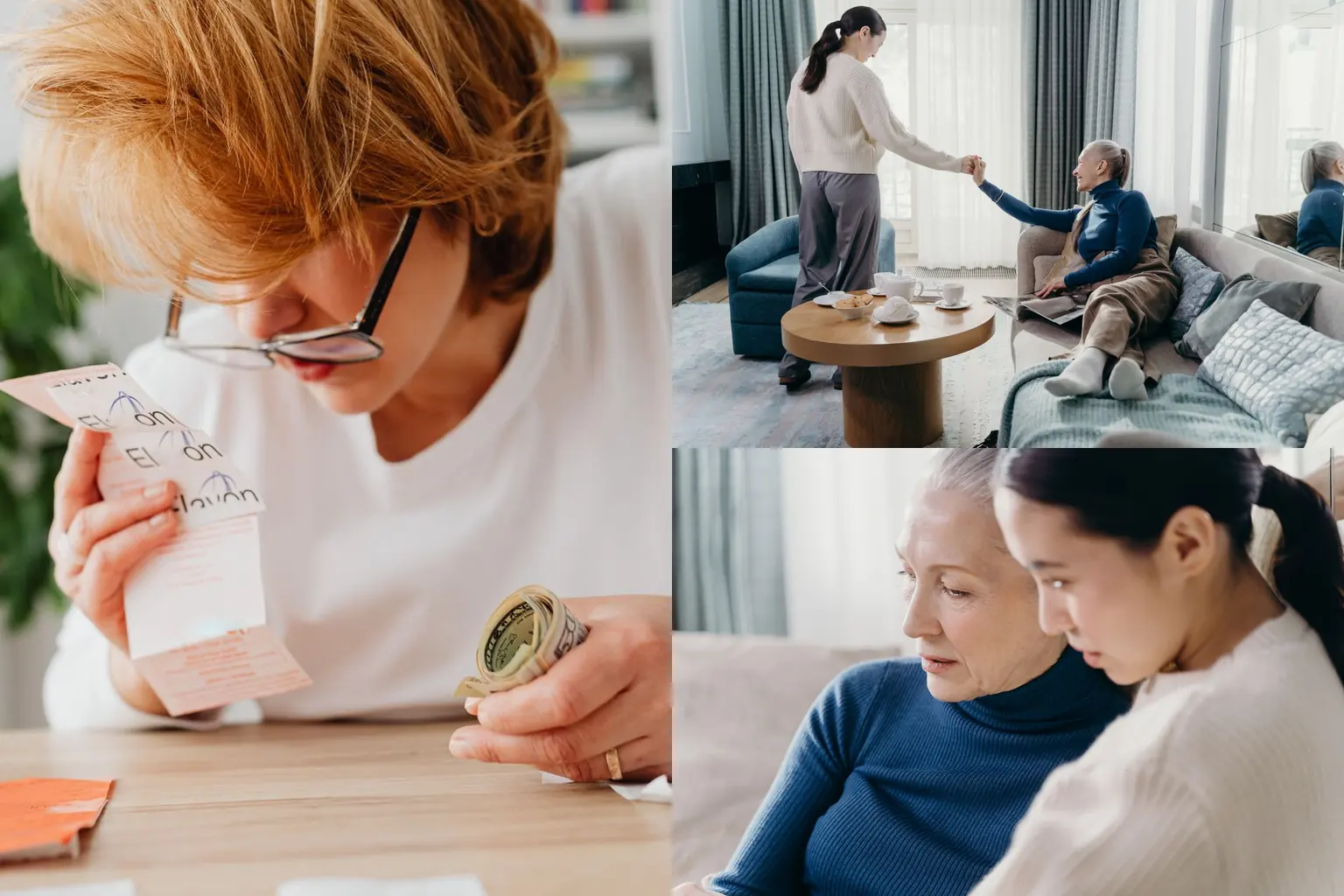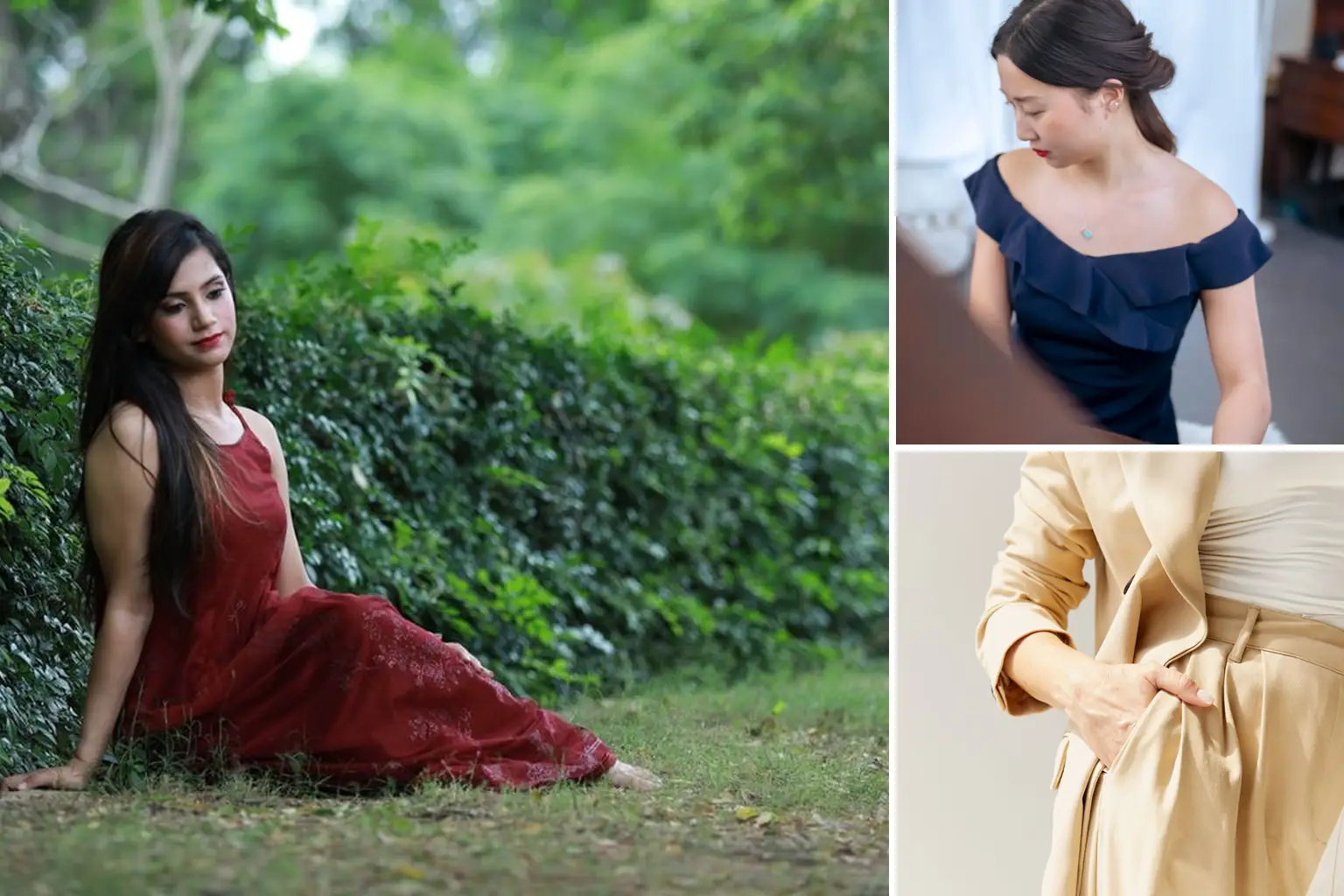

Let us say this plainly first, what not to wear after 50 is not a list of bans handed down by anyone. You have earned the right to wear what you love. This guide is about the quiet mistakes, a fit here, a fabric there, that add years a woman never asked for.
After 50 the stakes feel different. Waistbands dig, arms feel exposed, heels punish knees, and a neckline that worked at 40 can suddenly feel too bare or too covered. Many of us respond by hiding in bigger, darker clothes, which is exactly how a stylish woman starts to disappear.
Each mistake below comes with its polished swap, the version that keeps the comfort and restores the shape. Think of what not to wear after 50 as editing, not forbidding, and your closet will suddenly feel full of options again.
Quick Fixes Before the List
Four fast checks fix half of what not to wear after 50 before you buy a single thing.
- Check fit in daylight. Clothes that pull, pool or twist are not your size failing you, they are simply the wrong cut asking to be tailored or replaced.
- Add one structure piece. A blazer, a firm knit or a shaped coat over soft layers instantly looks intentional.
- Put color near your face. A flattering neckline shade lifts an outfit more than any accessory haul.
- Retire by condition, not by age. Worn, pilled, stretched out pieces age a look at 30 and at 60 alike.
1. Wearing Clothes That Are Too Baggy Everywhere
Oversized everything is the most common comfort trap. A loose top over loose trousers hides your shape completely and reads as hiding, which adds years and visual weight at the same time.

Photo via original post
The polished swap balances volume, one relaxed piece at a time. Try a soft, fluid blouse with slim straight trousers with stretch, or wide leg pants with a neat knit tucked at the front. You stay comfortable and your waist quietly reappears.
Proportion tip: Follow the one volume rule, fullness on top or below, never both. Your silhouette will look deliberate instead of drowned.
2. Choosing Shapeless Black From Head to Toe
Black feels safe, so it quietly takes over the whole closet. Worn shapeless and matte from head to toe, it can drain the face, flatten your shape and signal mourning at a birthday lunch.

Photo via original post
Keep black, change the recipe. Mix textures, a knit top with satin or denim below, add a color near your face and one piece of jewelry with shine. Or swap the base to navy or charcoal, which keeps the ease and softens the effect.
Styling note: If an all black outfit is your plan, plan the lift too, lipstick, earrings or a scarf in one of your best shades.
3. Skipping a Defined Waist Completely
Straight, boxy shapes from shoulder to hem erase the waist, and the eye reads the widest point as your size. Tents and tubes are comfortable for an hour and discouraging in every photograph after.

Photo via original post
Definition does not mean tight. A wrap dress with stretch, a belt over a cardigan, or a simple front tuck gives the suggestion of a waist while the fabric still skims kindly over the middle.
Comfort tip: Choose built in definition, elastic smocking at the back of a dress or a tie belt you control, so comfort lasts all evening.
4. Wearing the Wrong Bra Fit Under Fine Knits
A tired bra changes the fit of everything above it. Straps that dig, cups that gap and a band that rides up pull fine knits out of shape and place the bust line lower than it belongs, which ages posture on sight.

Photo via original post
A proper fitting is the cheapest wardrobe upgrade there is. With the right lift and smooth cups, the same sweater sits higher, cleaner and more elegant, and your back will thank you by evening.
Styling tip: Refit once a year and after any weight change. Under smooth knits, choose seamless cups so the line stays clean.
5. Letting Hems Drag or Pool at the Ankle
Trousers pooling over shoes and skirts landing at the widest part of the calf quietly shorten the whole body. Long hems collect dirt, trip the wearer and make even good clothes look borrowed.
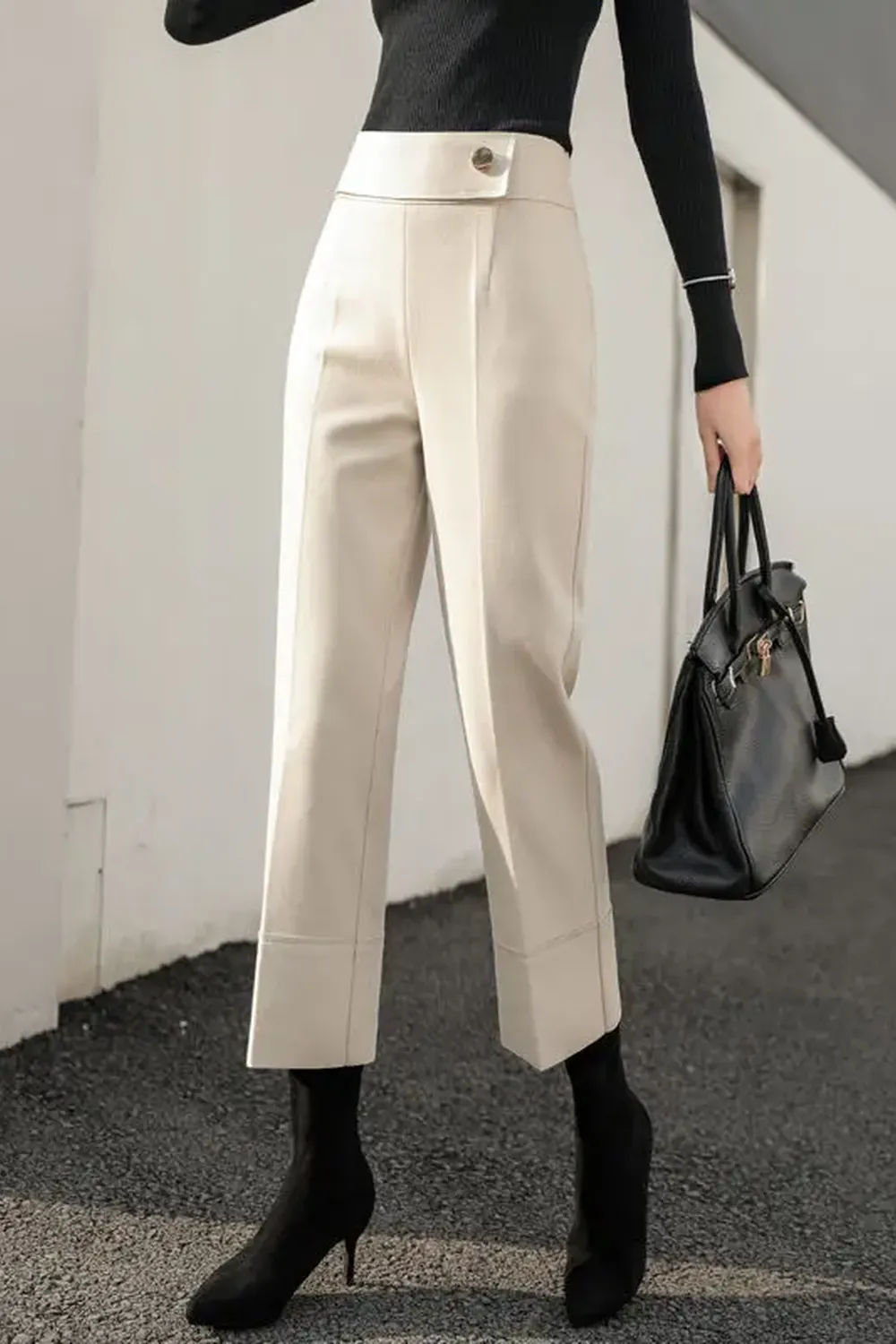
Photo via original post
The swap is a simple alteration. Trousers should kiss the top of the shoe, ankle lengths should show a sliver of ankle, and midi skirts look best just below the calf muscle. One tailor visit refreshes half a wardrobe.
Proportion tip: Show a little ankle or wrist whenever you can. Those small breaks of skin make long coverage look light, not heavy.
6. Matching Every Accessory in the Same Color
Bag, shoes, belt, jewelry and nails all in one exact shade is a habit from another era, and it dates an outfit instantly. It also flattens your look into a uniform, however expensive the pieces are.

Photo via original post
Modern polish mixes on purpose. Pair a tan bag with navy shoes, gold earrings with a burgundy dress, and let one accessory lead while the others support. The small mismatches are what read as current.
Accessory idea: Use the rule of one hero, one accessory gets the attention, the rest stay quiet and in the same warm or cool family.
7. Wearing Only Stretchy Jersey With No Structure
Jersey is kind, breathable and forgiving, which is why it slowly becomes the whole wardrobe. But fabric with no body shows every line beneath it and offers your shape no support, so outfits slump by midday.

Photo via original post
Blend comfort with architecture. Ponte, soft tailoring and knit blazers stretch where you need it and hold a line where you want it. A structured jacket over your softest tee is the over 50 formula that never fails.
Layering idea: Keep one structured layer within reach, a knit blazer or a long cardigan with shape, and even basics look finished.
8. Shoes That Are Worn Out or Far Too Clunky
Shoes finish every first impression, and tired shoes undo tailored clothes in a second. Scuffed, sagging or overly heavy footwear drags the eye down and makes a fresh outfit look like yesterday.
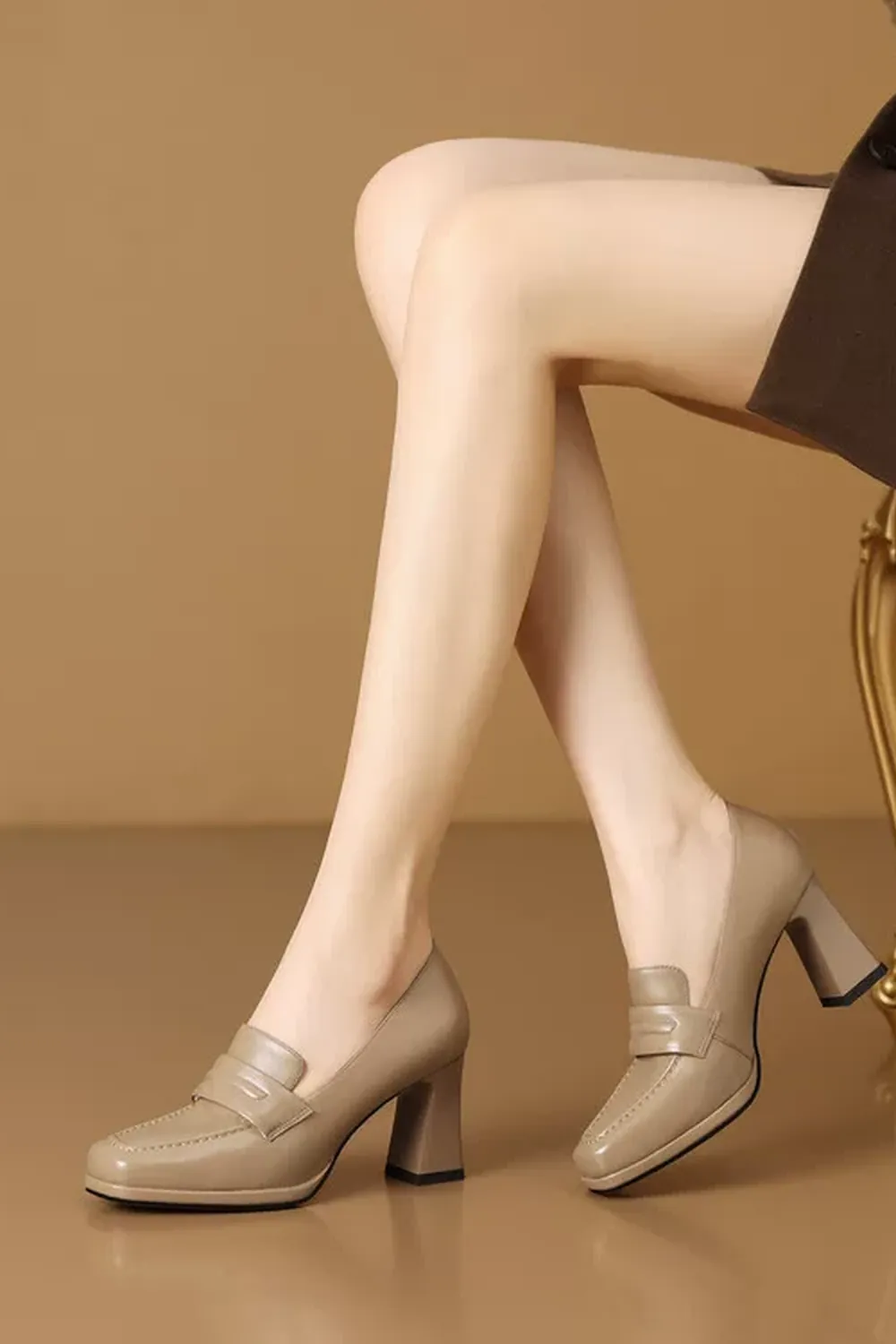
Photo via original post
The modern comfort shoe is a gift to our generation, cushioned loafers, sleek low block heels and clean white sneakers that support the foot and still look sharp. Retire the worn pair and your whole closet lifts.
Comfort tip: Buy comfort by features, arch support, a low stable heel and a padded sole, and style will happily follow.
9. Ignoring Sleeve Length and Shoulder Fit
Dropped shoulders, sleeves swallowing the hands and jackets that pull across the back are small details with a large effect. They make posture look tired and clothes look inherited rather than chosen.
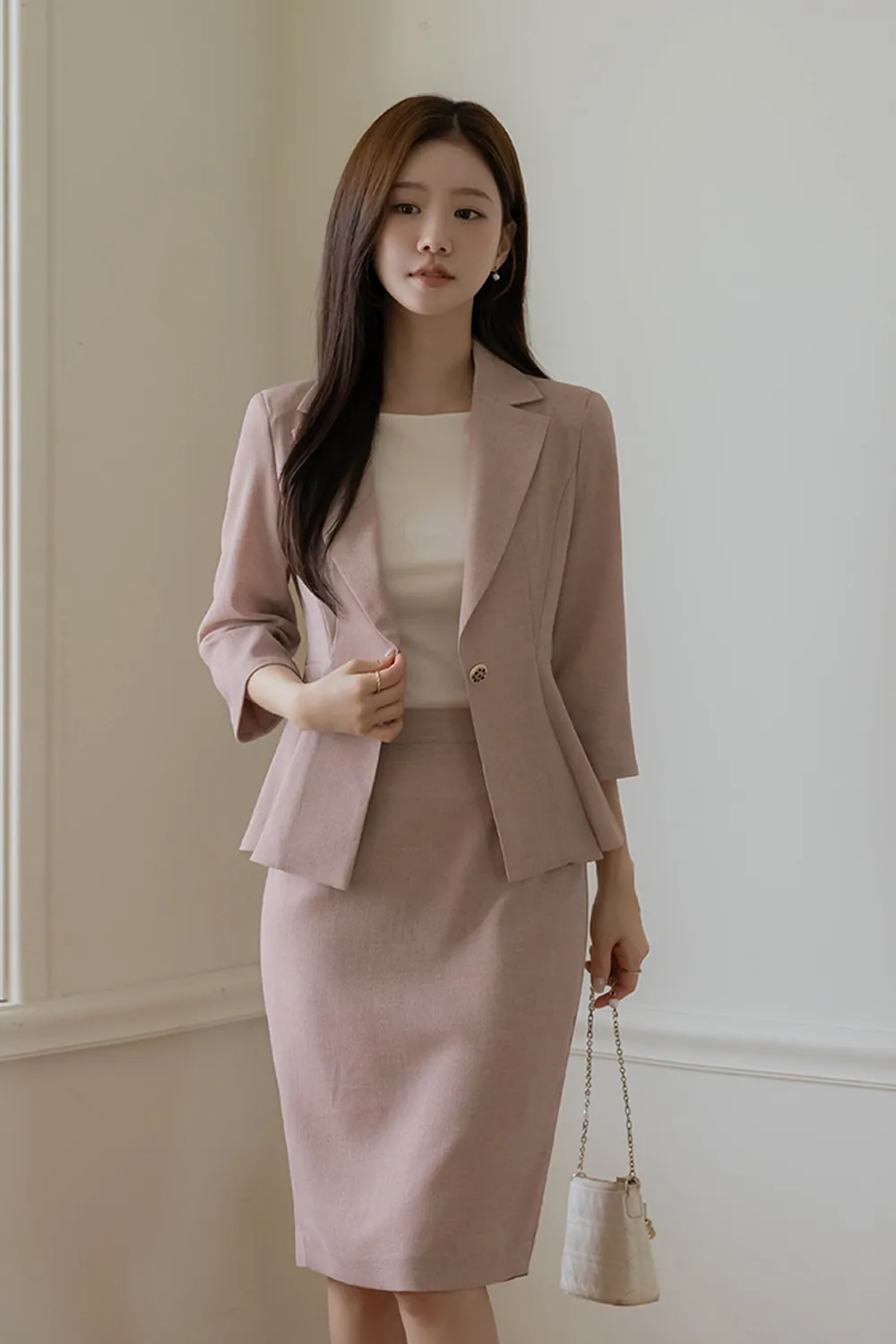
Photo via original post
Shoulders are the hanger of every outfit. Choose set in sleeves that end at your shoulder point, push long sleeves to show a little wrist, and let a tailor lift a hem or narrow a sleeve before you judge a garment.
Styling note: A sleeve pushed to the forearm is the oldest stylist trick there is. It shows shape, jewelry and energy in one move.
10. Too Much Beige, Head to Toe, With No Contrast
Beige on beige on beige, close to your skin tone, washes the face out and photographs like a yawn. It is the neutral mistake that makes women say they look ill in pictures when they felt fine in person.

Photo via original post
Neutrals work when they have temperature and contrast. Camel with cream, taupe with navy, beige rescued by burgundy or emerald near the face, and suddenly the quiet palette looks expensive instead of invisible.
Styling tip: Add one clear contrast to any neutral outfit, a darker shoe, a brighter lip or a colored scarf, and the whole look wakes up.
11. Clinging Thin Fabrics That Show Every Line
Very thin, shiny or clingy fabric under bright light shows every seam, strap and contour, and most women end up tugging at it all day. Discomfort reads on the face long before it shows in a photograph.
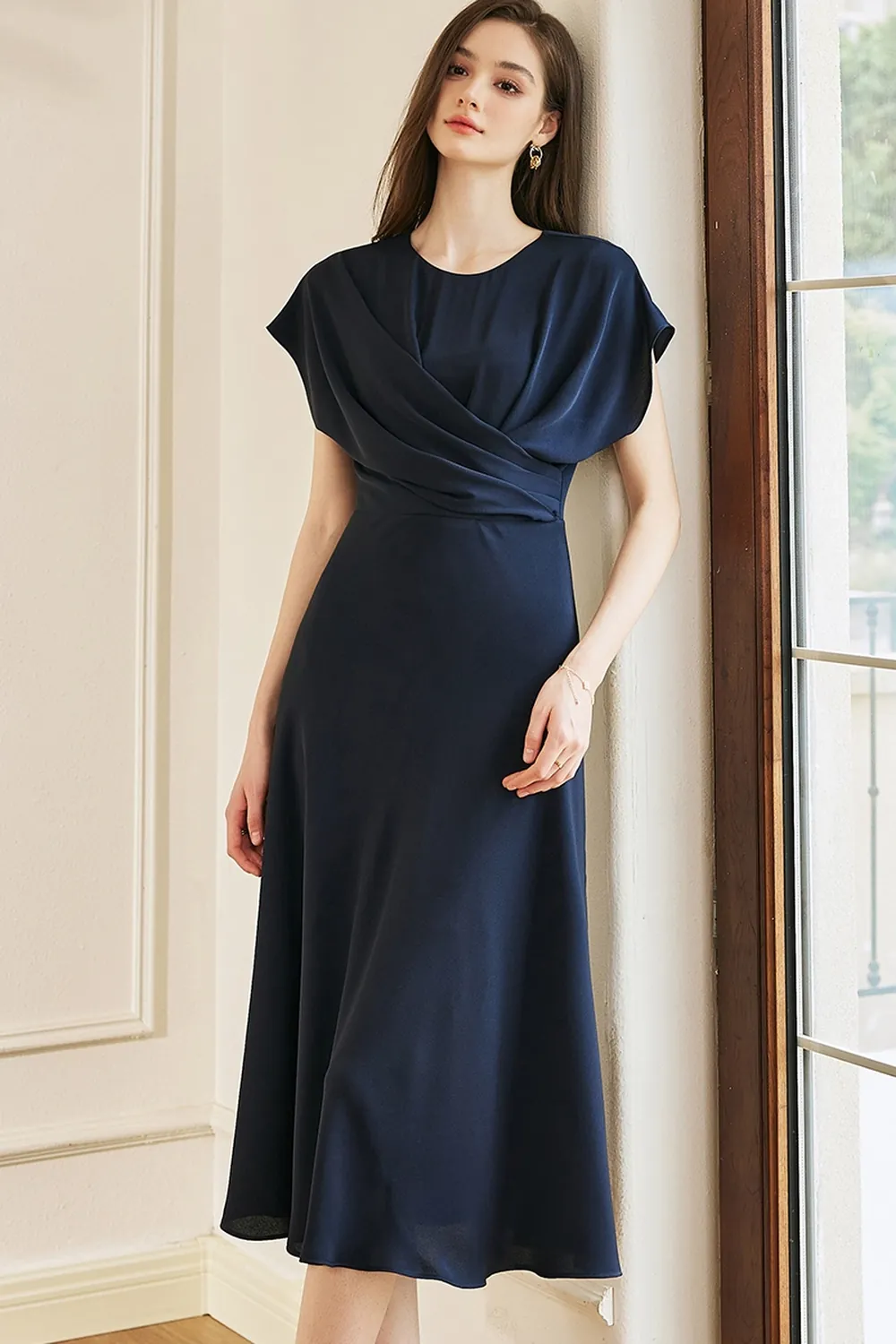
Photo via original post
Choose fabrics with a little substance and a matte finish, crepe, ponte, lined jersey and cotton with stretch. They skim rather than cling, forgive a long lunch and let you forget your clothes, which is true elegance.
Comfort tip: Do the daylight bend and sit test in the fitting room. If you can move and breathe without adjusting, the fabric passes.
12. Dressing for the Age on Paper Instead of the Woman in the Mirror
The last mistake is the saddest, dressing to disappear. Frumpy is not a size, an age or a budget, it is what happens when a woman stops choosing and starts hiding, in clothes that say do not look at me.

Photo via original post
The polished alternative is simply you, on purpose. Wear the color that lifts you, the neckline you enjoy, the low heel that lets you dance at the wedding. Style after 50 is not about looking younger, it is about looking like yourself, clearly and with pleasure.
Accessory idea: Finish your look with one joyful piece, the earrings, the red lip or the beautiful scarf. Joy is the most modern accessory there is.
Frequently Asked Questions
Is there really a list of what not to wear after 50
Only as guidance, never as law. The real list is personal, anything that hurts, hides you completely or makes you avoid the mirror is worth editing, whatever your age.
Are jeans okay after 50
Absolutely. Dark, well fitting jeans with stretch, worn with a neat knit, a blazer and good shoes, are one of the most modern uniforms a woman over 50 can own.
What is the fastest mistake to fix
Fit. A tailor shortening hems, lifting sleeves and shaping a waist can refresh five outfits in a week for less than one new dress.
Can I still wear black and sleeveless tops
Yes to both. Soften black with color or texture near your face, and choose sleeveless cuts with wide straps and a clean armhole, or add a light layer when you want coverage.
How do I update my wardrobe without replacing everything
Edit in this order, fit first, then condition, then color near the face. Most women find half their closet works again before they spend anything serious.
If this spoke to you, you may also enjoy my sequin outfit ideas, my burgundy outfit ideas and my gold jewelry styling ideas. For wider reading, I recommend Good Housekeeping style advice and Vogue fashion.
Edit One Thing This Week
Pick one mistake from this list, the pooling hems, the tired shoes or the head to toe beige, and fix only that this week. That is the kindest way to use what not to wear after 50, as a gentle editing tool that gives you back clothes you already own, and a mirror you enjoy meeting again. Used this way, what not to wear after 50 stops sounding like criticism, and what not to wear after 50 becomes what it should have been all along, a kindness.