
Every year we promise ourselves a calm season, and every year we learn again why holidays bring out the worst in families by the second gathering. One comment about the gravy, one late arrival, one old joke that is not funny, and the whole room feels twelve years old again.
After 50 the pressure has extra layers. You may be hosting with aching joints, grieving someone who is missing, managing a budget on a fixed income and trying to keep adult children, in laws and grandchildren all comfortable at once. No wonder small sparks find dry tinder.
The good news is that most holiday blowups follow patterns. Once you can name why holidays bring out the worst in families in your house, the seating, the money, the old roles, you can plan around each trigger before the doorbell rings.
Five Calm Anchors for the Season
Print these where you will see them in December. They explain half of why holidays bring out the worst in families, and they prevent the other half.
- Lower the production, keep the warmth. A simpler menu in a relaxed house beats a perfect menu in a tense one, every time.
- Plan the exits. A walk after lunch, an end time on the invitation and a quiet room for breaks keep small frictions small.
- Feed people early. Low blood sugar is the hidden co author of most holiday arguments, so snacks out before the main meal is wisdom.
- Brief your partner. Agree on signals, topics to skip and a shared leaving time before you arrive anywhere.
- Protect your mornings. A calm start, a walk and a real breakfast make you far harder to rattle by noon.
1. The Seating Plan and Old Rankings
Where people sit quietly announces who matters, who is trusted and who is still treated like a child. A sibling placed at the kids table at 48, a new partner parked beside the loudest uncle, and resentment is served before the soup.

Photo via original post
Handle it with light intention. Mix generations, place talkative guests beside quiet ones, and give the newest family member a warm seat and a job that includes them, such as carving or choosing the music.
Try this: Write the seating on small cards as a game, with one kind line about each guest. People forgive almost any chair when they feel seen.
2. Money, Gifts and Who Spent More
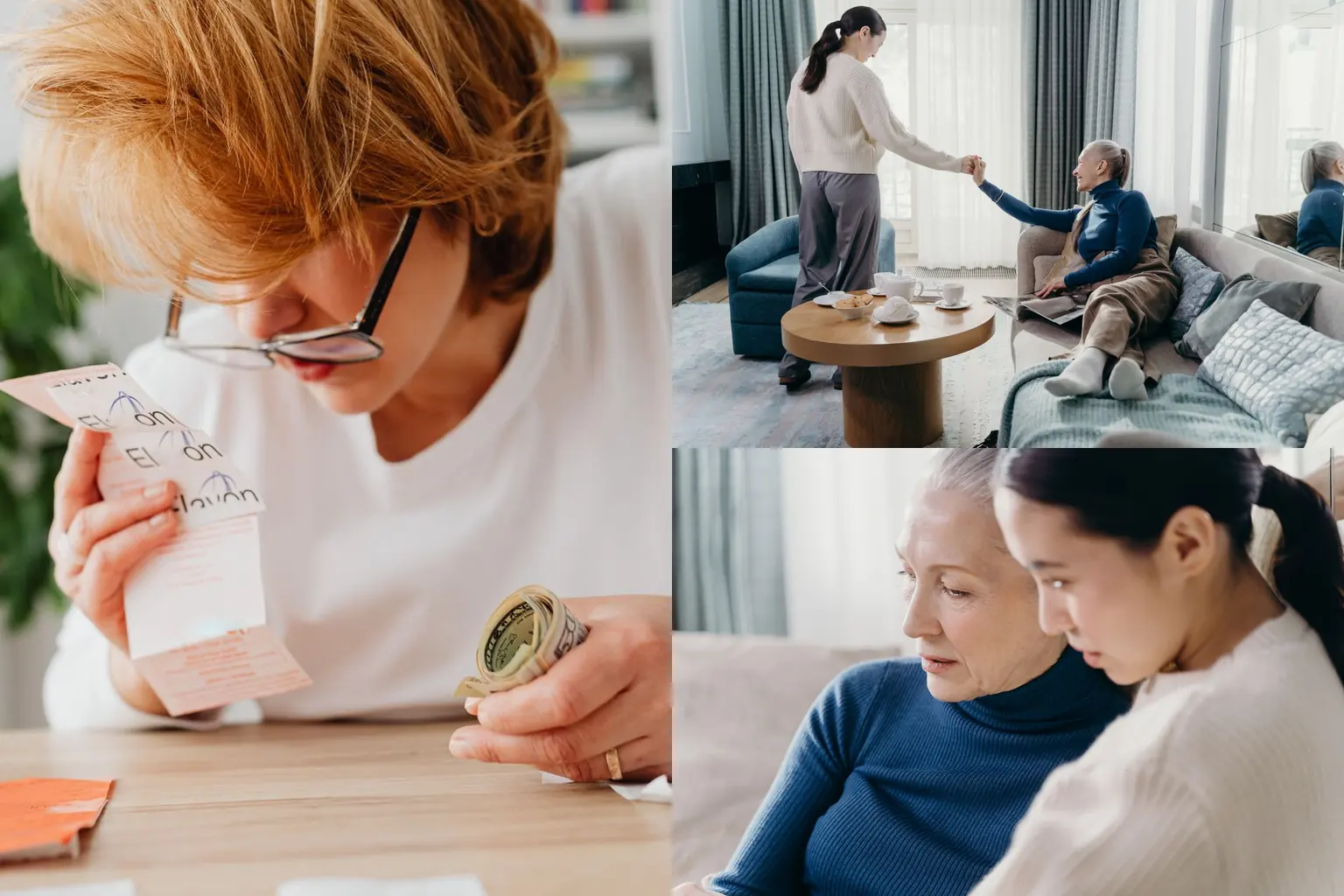
Holidays turn spending into a scoreboard. One family gives lavishly, another is counting carefully, and children compare piles in real time. Add a comment about someone job or house, and money becomes a verdict on worth.

Photo via original post
Agree the rules early and in writing, a spending cap, a secret draw instead of gifts for everyone, or a shared experience instead of objects. Said in October, it is planning. Said at the table, it is a fight.
Say this: This year we are doing a draw with a set limit, so everyone gets one thoughtful gift and nobody gets a January bill.
3. The Empty Chair and Unspoken Grief
The first holidays after a loss, a divorce or an empty nest carry a grief nobody wants to name at a party. So it leaks out sideways, as irritability, tears in the kitchen or anger at whoever changed the traditions.
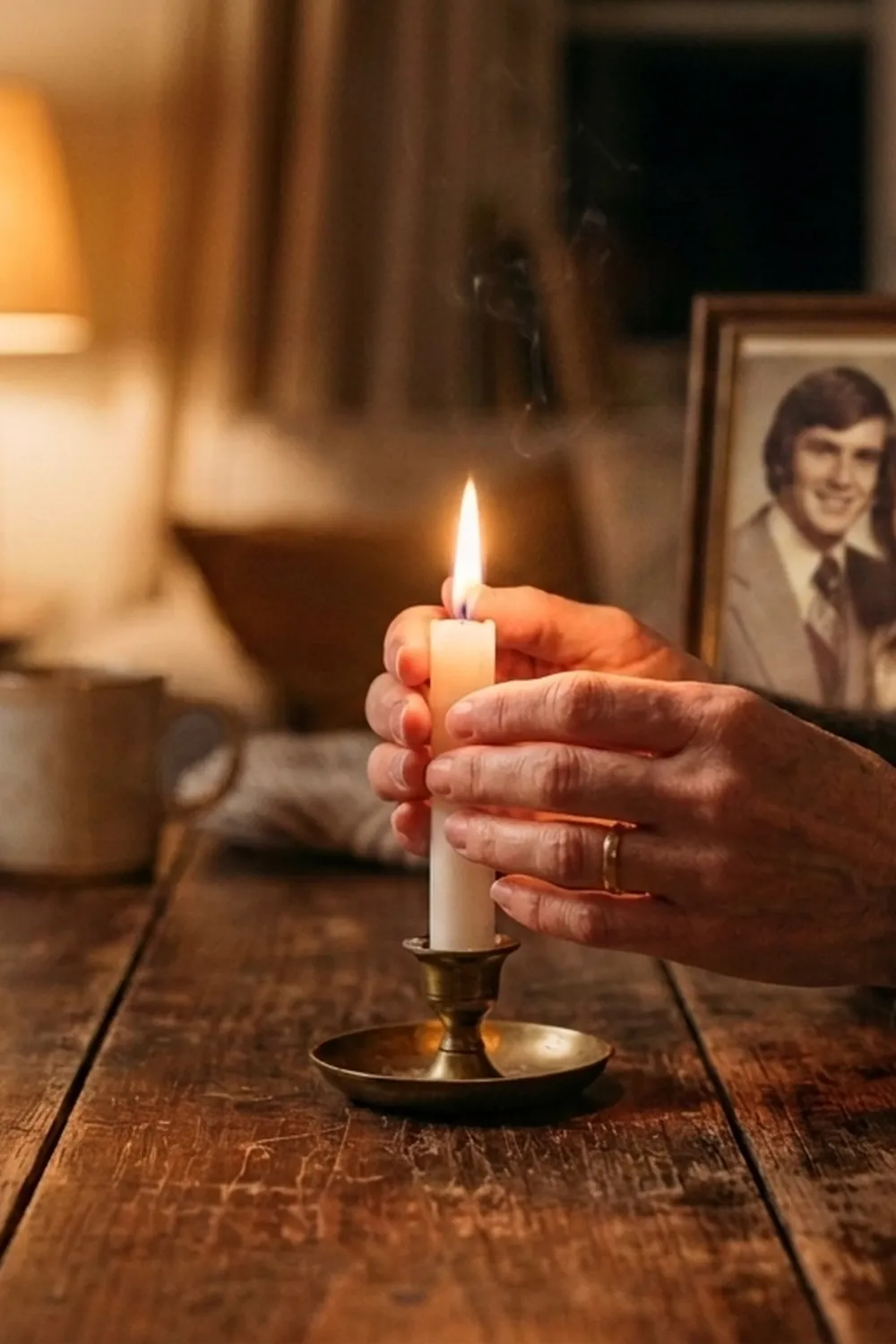
Photo via original post
Name the missing person with love and keep it brief. A candle on the sideboard, a toast before dessert or a favorite dish served in their honor gives grief a seat, so it stops wandering the room.
Remember: Tears at a holiday table are not a failure of hosting. They are usually love with nowhere to go, and a tissue plus a quiet minute is enough.
4. Food, Hosting and the Pressure to Perform
The host often carries an invisible exam, will the turkey be dry, will the house look shabby, will anyone help. Guests sense the tension and either hover or hide, and the first criticism lands on an already frayed cook.

Photo via original post
Shrink the exam. Cook two things brilliantly, buy the rest without apology, and assign real jobs at the door, drinks, coats, playlist, dishes. People behave better with a role and a full glass.
Watch out: Never debut three new recipes, a new seating layout and a new family announcement on the same day. One experiment per holiday is plenty.
5. Childhood Roles Snapping Back Into Place
The responsible eldest starts managing, the baby of the family is teased like it is 1989, and the peacekeeper refills drinks to keep the air smooth. Roles that took decades to outgrow return in a single afternoon at the childhood table.

Photo via original post
A little humor is the fastest solvent. Name your own role first, I notice I am organizing everyone again, I am sitting down now. Owning yours gives everyone else permission to drop theirs.
Say this: We are all grown now, so I am retiring as referee. Who wants to help me choose dessert instead.
6. Partners and In Laws Feeling Like Outsiders
New partners and in laws walk into a room full of shared jokes, old photos and rules nobody explains. Feeling outside the circle makes people quiet, prickly or overly eager, and their partner ends up translating all day instead of celebrating.

Photo via original post
Brief newcomers like honored guests. Share the two stories they will hear, introduce one friendly ally early and check in once during the day. Ten minutes of inclusion prevents an evening of repair.
Try this: Give every newcomer one small, visible role, photographer, toast maker or dessert captain. Belonging grows from being needed.
7. Alcohol Loosening Old Grievances
A drink or two lowers the filter that keeps old stories in storage. Suddenly a decade old loan, a wedding snub or a parenting critique has a microphone, and the evening turns into a hearing nobody scheduled.

Photo via original post
Set the conditions kindly. Serve food early, alternate with good non alcoholic drinks, and steer speeches toward gratitude rather than history. If a grievance surfaces, park it with warmth, that deserves a real talk, let us book it for January.
Watch out: The combination of late nights, strong drinks and an audience is how small remarks become family legends. Change one of the three and you change the outcome.
8. Exhaustion From Travel, Noise and No Quiet Corner
By the third event of the week, everyone is running on sugar, poor sleep and motorway coffee. Children melt down first, but the adults are only an hour behind them, and the smallest comment feels enormous.

Photo via original post
Build recovery into the calendar, not around it. One event per day, a quiet room where anyone may reset, and a host who protects the end time. Rested families are noticeably kinder families.
Try this: Announce the finish with dessert, coffee means we love you and we are wrapping up by nine. People relax when the evening has a kind shape.
Frequently Asked Questions
Why do I regress around my family even as a confident adult
Familiar rooms, smells and voices activate old patterns faster than adult reasoning. It is biology and habit, not weakness, and preparation plus breaks genuinely help.
How early should I raise gift or budget rules
As early as you can, ideally weeks ahead and in a group message. Rules announced kindly in advance feel like planning, not criticism.
What is the fastest way to calm a heated holiday moment
Feed people, move bodies and change rooms. A walk, a dessert course or a music break interrupts a spiral better than any winning argument.
Should we still gather if this is why holidays bring out the worst in families every year
Often yes, but smaller, shorter and simpler. A two hour brunch can succeed where a ten hour marathon fails, and you can rebuild from there.
How do I handle a relative who always starts the drama
Give them structure, a role, a seat beside calm company and a friendly topic early. If behavior still harms the day, shorten your stay without a scene and follow up privately later.
If this spoke to you, you may also enjoy my Thanksgiving dinner outfit ideas, my Christmas sweater outfits and my Christmas nail ideas. For wider reading, I recommend Psychology Today on family dynamics and AARP family and relationships.
Choose One Trigger to Disarm
You cannot redesign your whole family before December, and you do not need to. Pick the one trigger from this list that explains why holidays bring out the worst in families in your house, the seating, the gifts or the exhaustion, and make its one small plan this week. A calmer season is usually built one disarmed trigger at a time. Understanding why holidays bring out the worst in families will not make every gathering easy, but it does explain why holidays bring out the worst in families in such predictable ways, and predictable problems accept plans.