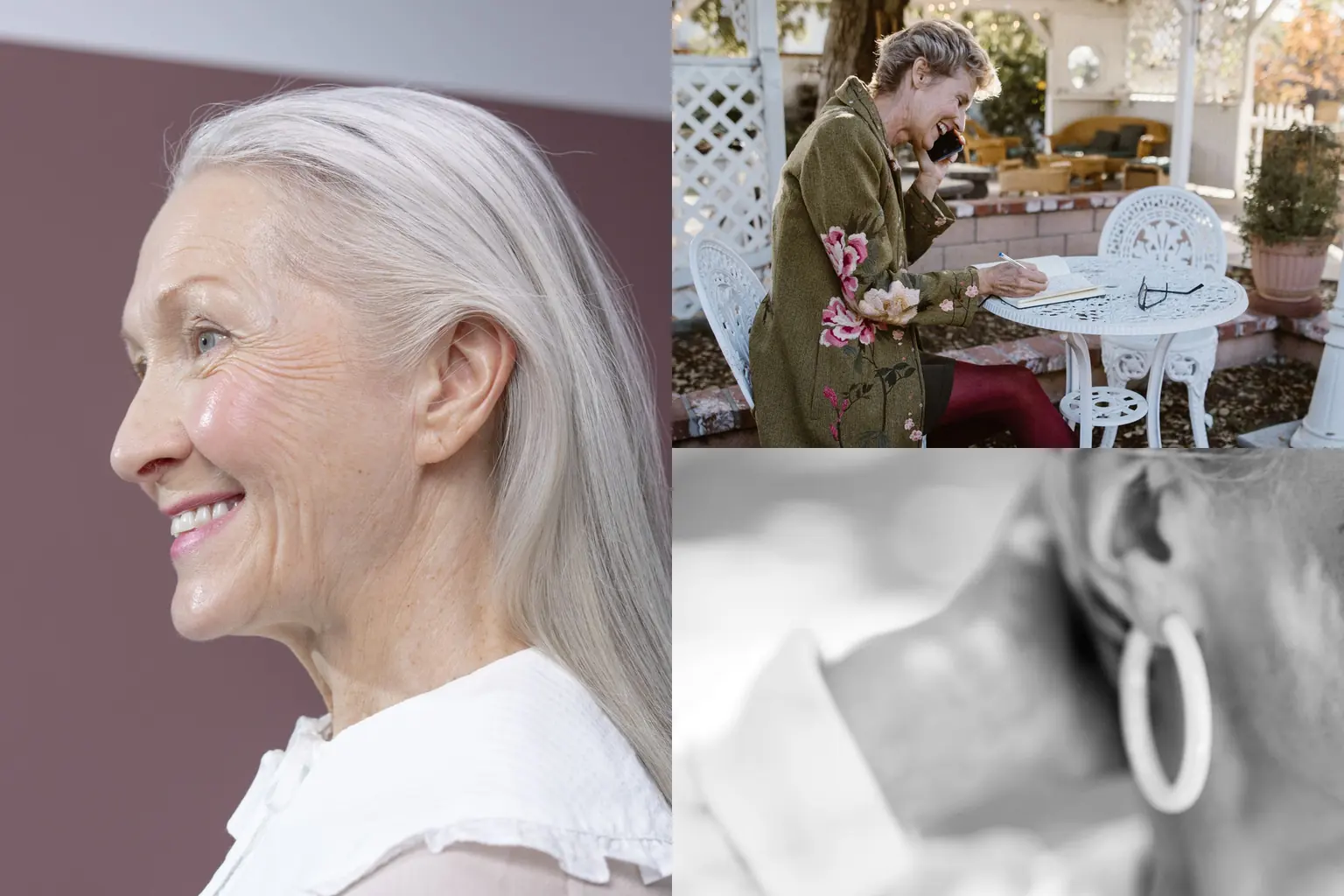

Somewhere after 50, many women make a quiet decision, to stop apologizing for simply living their own lives. Not with anger, and not with a speech. Just a calm refusal to keep saying sorry for things that were never wrong in the first place.
For decades, sorry was our social lubricant. Sorry for the opinion, sorry for the appetite, sorry for needing rest, sorry for the face in the mirror. The word came out before the thought had finished, a small toll paid for taking up space in the room.
These 11 things are the sorries that no longer earn their place. None of them ask you to become a different person. Each one is a small, repeatable choice, and together they change the whole feeling of a day.
Quick Tips Before You Begin
If you want to stop apologizing as a daily habit, start with the pattern behind it. These four shifts make everything on the list easier.
- Save sorry for real harm: A genuine wrong still deserves a genuine apology. Preferences, needs and feelings do not, and mixing the two weakens both.
- Swap sorry for thanks: Thank you for waiting, thank you for understanding, thank you for coming. Gratitude does the same social work without shrinking you.
- Let a pause do the work: When the reflex rises, pause for two seconds. Most unnecessary sorries die in that small silence.
- Be warm, not small: Tone is what people remember. A clear sentence said with a smile lands as confidence, never as rudeness.
1. Your Age, and Looking It

Photo by @elysewalker
The woman in this photo stands with one hand on her hip, entirely unbothered, and that posture is the whole lesson. Your age is a fact, not a fault. The lines on your face are evidence of a life actually lived, and none of it needs a softening sorry before you enter a room.
Notice the openers we use. Sorry, I look a fright. Sorry about the state of me. Each one asks the other person to reassure us before a normal conversation can begin. A plain hello, with eye contact, works better for everyone.
Say this: Swap the apology opener for a greeting with content. Lovely to see you, come in, the kettle is on. Your guests came for you, not for a disclaimer.
2. Wearing What You Love, Bright Colors Included
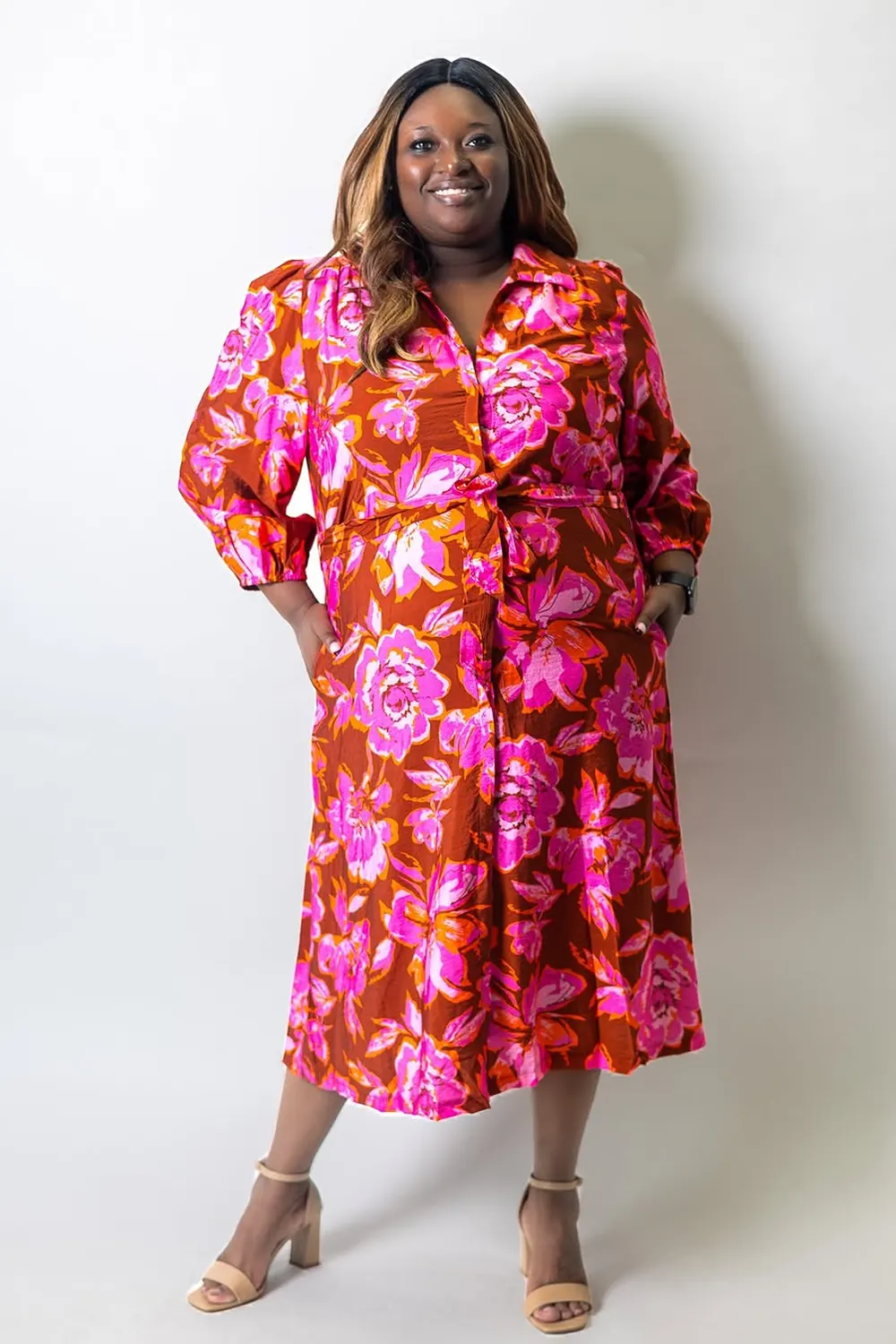
Photo by @juneadelofficial
A bold floral dress with a tie waist and a smile, like the one in this photo, is not asking permission from anyone. For years many of us dressed in apology colors, beige, navy and black, nothing that might attract a comment.
Then one day you buy the pink, the print, the color that makes your face light up, and the sky does not fall. Being visible is not vanity. It is simply refusing to dress like an apology for existing.
Try this: Wear your brightest piece on an ordinary weekday first. Practice being seen when nothing important is at stake, and special occasions become easy.
3. Saying No Without a Long Explanation

Photo by @ayakha_nombewu22
No is a complete sentence, and after 50 it is allowed to sound like one. The confident stance in this photo is what a calm refusal looks like, warm, upright and finished. No essay, no list of excuses, no apology wrapped around it.
You can still be the reliable one. You can babysit, cook, help and show up in a crisis. The change is that yes becomes a choice instead of a reflex, and no arrives without three paragraphs of justification and a homemade cake.
Say this: Try, I cannot do that day, but I hope it goes well. Then stop talking. The sentence after no is where the old reflex sneaks back in.
4. Having an Opinion That Differs

Photo by @nikeadeyemi
Here is a freeing discovery of this decade. You can stop apologizing for disagreeing, and the friendship usually survives. The woman in this photo, standing in the middle of the street in a camel coat and magenta cardigan, is not dressed, or thinking, by committee.
Prefacing every view with sorry, but, trains people to treat your thoughts as interruptions. State the opinion plainly, listen properly to theirs, and let two adults hold two views at one table. That is not conflict. That is conversation.
Remember: Disagreement delivered calmly is respectful. The apology version, oddly, makes everyone more tense, because it announces that trouble is coming.
5. Taking Up Space, Laughing Loudly Included

Photo by @jenniebie_wilynda
Somewhere along the way we learned to laugh quietly, sit compactly and keep delight dialed down. The smiling woman in burgundy in this photo has unlearned all of it, head tilted, fully present, taking exactly the space she occupies.
Joy expressed plainly is contagious, not embarrassing. Nobody at the next table is grading your laugh. Far more often, they are wishing they felt as free as you look, and your ease quietly gives them permission too.
Try this: Next time you catch yourself shrinking your laugh, let it finish at full volume. Notice that the room does not end. It usually warms.
6. Resting Without Earning It First

Photo by @aidenandoak
Rest used to require an excuse. A headache, a doctor note, a collapse. The relaxed woman on the porch in this photo, in a rust colored sweater and jeans, is resting in the middle of an ordinary day, and no one in the picture is asking her to justify it.
Care is maintenance, not a reward for finishing everything. Everything is never finished. A woman who never refills her own cup eventually has nothing left to pour, and the people who love her would rather have her rested than heroic. Learning to stop apologizing for rest is often the first retirement women actually keep.
Watch out: Put rest in the diary with a time and a closed door. Vague intentions are the first thing a busy family spends.
7. Your Changing Body and Changing Shape

Photo by @mwendemacharia
Bodies change after 50. Waists soften, arms change, and the mirror tells the truth about it. The woman in this photo, smiling by the window in a bold patterned top, is dressed for the body she has today, in color, with her hand on her hip.
Dressing the body you have, in clothes that fit it now, is not giving up. It is the opposite. The apology wardrobe, everything hidden, oversized and dark, speaks a sadness that most of us do not actually feel.
Try this: Buy one thing this season that fits your body as it is today, in a color you love. Fit is kindness you can wear.
8. Needing Help, and Asking for It Plainly

Photo by @tokvam13
Many of us would rather struggle silently than say the words, I need help. We apologize for the asking, for the timing, for being, as we call it, a bother. The warm portrait in this photo is a reminder that ease with people includes letting them help.
Asking plainly, without the apology paragraph, actually makes helping you pleasant. People rise to a clear request. They shrink from a guilt soaked one, because now they must manage your feelings as well as the task.
Say this: Swap, sorry to bother you, could you possibly, for, would you help me with this on Saturday? Clear, kind and easy to answer.
9. Spending Money on Yourself

Photo by @aliya.yadav2026
The plaid dress in this photo was bought to be enjoyed, and the woman wearing it is smiling like she knows it. After decades of funding everyone else first, many women still narrate their own purchases like a courtroom defense.
A purchase you can afford does not need a justification speech. Not the, it was on sale, honestly, I never buy anything, ritual. Pleasure and usefulness are both valid reasons, and your money is yours to allocate.
Remember: If you would happily buy it for a friend, you are allowed to buy it for yourself without the apology tour.
10. Starting Something New, Late and Badly at First

Photo by @taliyehimani.design
A sequined blazer at this age is a statement, and the woman in this photo wears it with her hands in her pockets, entirely at ease. New beginnings after 50, a class, a business, a bold wardrobe, do not need an apology for their timing.
You will be a beginner, publicly, and probably the oldest person in the room. The embarrassment you fear lasts about four minutes. The skill, the friends and the stories last for years, and they start the day you stop prefacing them with sorry.
Try this: Book the class, buy the ticket, wear the jacket. Small proofs of courage compound faster than confidence talks ever do.
11. Going Anyway, Even If Nobody Can Come

Photo by @ezgiiyilmazz
The last sorry to retire is often, sorry for going without you. The woman in this photo, in a gold sequined gown under a night sky, did not wait for a committee to approve her evening. She invited, nobody could come, and she went anyway.
Solo plans carry a particular sweetness at this age. Every choice is yours, every detour is allowed, and the day quietly proves your own competence back to you. Company becomes a pleasure again, never a prerequisite.
Try this: Start with one solo outing close to home, a lovely lunch, a matinee, a market town. Small journeys build the confidence bigger ones run on.
Frequently Asked Questions
Why do so many women overapologize in the first place?
Most of us were trained from girlhood to keep every room comfortable, and sorry became the cheapest tool for it. The habit is social, not a personal failure, which is good news, because social habits can be retrained at any age.
Will people think I am rude if I say sorry less?
Warmth is what people actually register. If you want to stop apologizing without feeling abrupt, keep the smile and the thank you, and drop only the sorry. Most people describe women who do this as clear and easy to be around.
What can I say instead of sorry when I am late?
Swap the apology for thanks and information. Thank you for waiting, the traffic was held up, does the same social work and leaves your dignity intact. Save the real apology for real harm.
How do I start if this is a lifelong habit?
Pick one item from this list, the one that stings with recognition, and retire only that sorry for a month. Small, specific change sticks, and the second and third retirements are noticeably easier.
Is it ever right to apologize at this age?
Absolutely. A real wrong deserves a real apology, promptly and without excuses. Retiring the reflex sorries makes the genuine ones mean more, not less.
Your Sorry Days Are Behind You
Take one small action step today. Catch yourself once, just once, mid apology, and notice what the sorry was protecting. Then say the plain, warm version instead. That single swap, repeated kindly, is how women learn to stop apologizing and start simply living out loud.
If your sorries cluster around appearance, my honest guide to what not to wear after 50 and the stories of women who thrive after 55 stopped apologizing may help you retire a few more. You have apologized enough for one lifetime. The rest of it is yours.