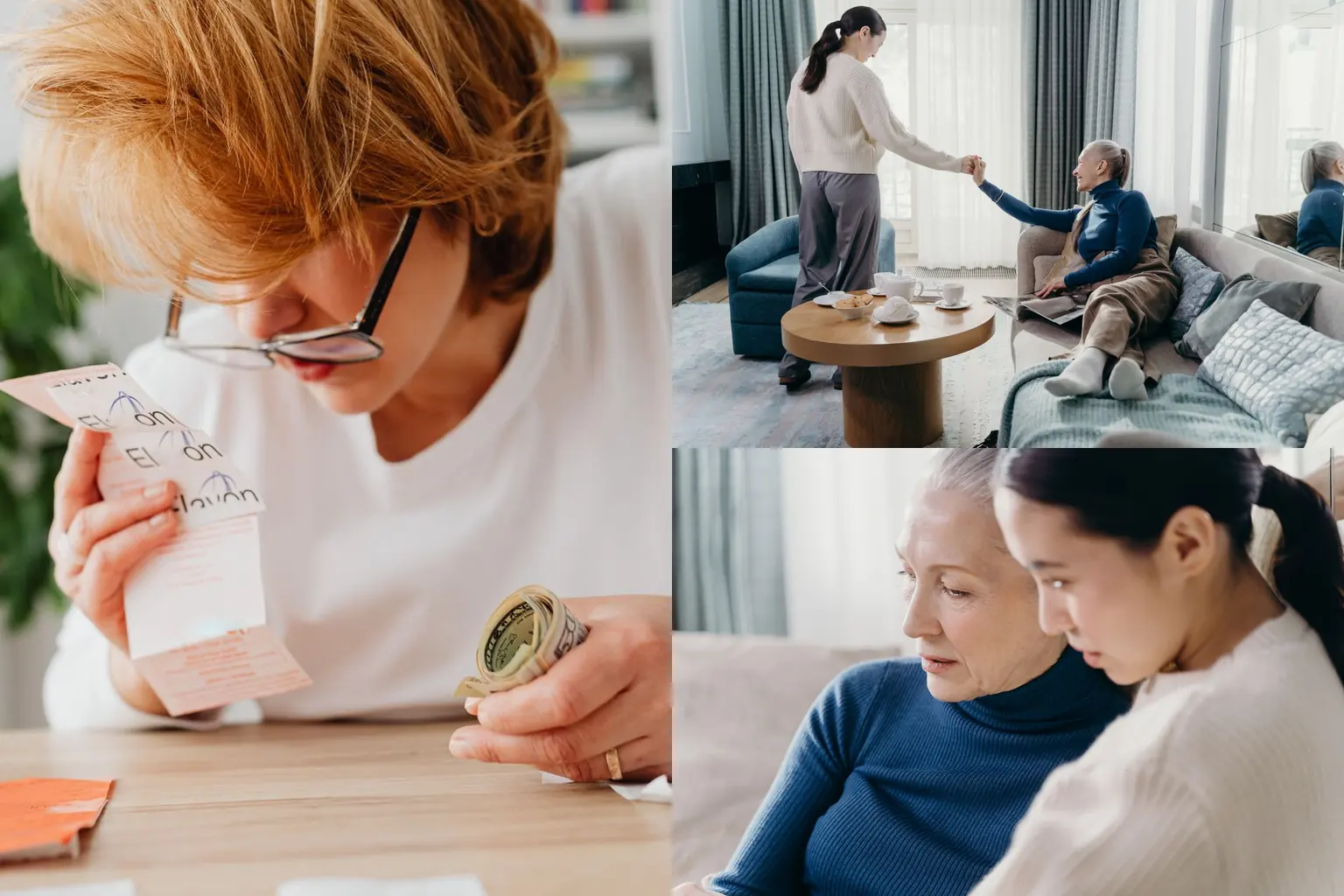

Something shifts around 60. You count your years differently, your energy becomes precious, and one day a familiar family moment lands and you think, I cannot do this exact dance one more time. That thought is the beginning of breaking toxic family patterns.
These patterns are rarely villains and twirling mustaches. They are habits whole families learned young, guilt instead of asking, silence instead of saying, favors with invisible invoices attached. Everybody plays a part, which means anybody can change theirs.
Here are the 8 patterns people most often lay down after 60, and the small, steady words that replace them. You will not fix the whole family. You only have to step out of your old steps, kindly and for good.
Quick Tips Before You Start
Keep these four ideas beside you while you read. Breaking old patterns is slow, kind work.
- You can only change your part: That sounds like a limitation. It is actually the whole power. Your new response changes the dance.
- Boundaries are not punishments: A boundary protects your peace. It does not exist to hurt or control anybody else.
- Expect a wobble: Families push back when a pattern changes, usually because the old way was comfortable for them.
- Kind and firm can share a sentence: Warmth in your voice, steel in your meaning. That combination gets heard.
1. Guilt as the Family Language

Photo by @fan_page_for_bob
In some families nobody asks for anything directly. Instead there are sighs, reminders of sacrifice, and sentences that begin with After everything I have done. Guilt becomes the currency, and every favor gets bought with a small piece of your freedom.
After 60, people start counting the cost. One woman I know put it perfectly. I love my family, but I am done paying for love with guilt. Direct requests replaced hints in her house, and to everyone’s surprise, the sky stayed up. This is often the first of the toxic family patterns to fall, because it is the most exhausting.
Say this: I would rather you just ask me. If I can, I will, and if I cannot, I will say so honestly. No sighing required on either side.
2. The Silent Treatment as Punishment
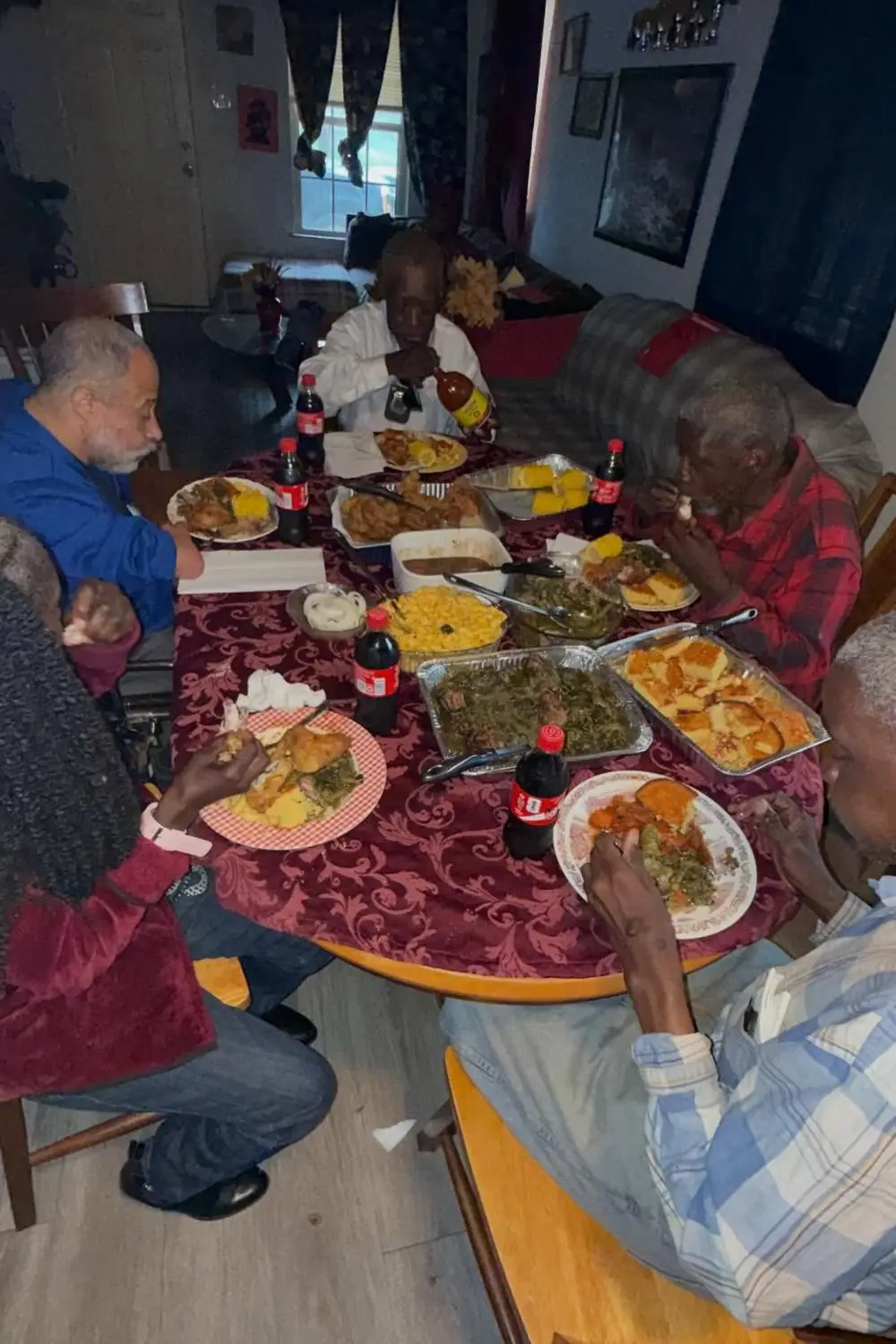
Photo by @tnorman23
A disagreement happens, and instead of words there is weather. Days of cold silence, doors closed a little too firmly, a person erased at their own dinner table. The silent treatment teaches everyone to fear conflict more than they value honesty.
Breaking it does not mean enjoying arguments. It means shortening them. We are upset. Let us take an hour, and then let us actually talk. Silence used as a weapon is one of the toxic family patterns that damages grandchildren too, because they learn it by watching.
Try this: Name a return time whenever you need a pause. I need twenty minutes, and then I will be at the kitchen table. A promised return makes a pause safe.
3. Keeping Score of Every Favor and Every Hurt

Photo by @bassel.somakia
Some families keep ledgers. Who called whom, who hosted Christmas in 2019, who forgot a birthday in 2007. Scorekeeping turns love into accounting, and nobody ever balances the books, because everyone keeps a different set.
People break this pattern when they notice the ledger only ever gets opened in anger. Try a private experiment. For one month, give without recording and forgive without archiving. Most people find the lightness addictive.
Remember: You cannot shred the family’s ledger, only your own copy. That turns out to be enough, because arguments need two accountants.
4. Triangulation, Talking Through a Third Person

Photo by @michele.torchia
She tells her brother what their mother said, he tells his sister, and the mother hears a version nobody recognizes. Triangulation is how families talk constantly and communicate nothing, with a worried middleman paying the price.
The fix is plain and brave. Take your message to its owner. I would rather hear that from you directly becomes a family rule worth stating out loud. Of all the toxic family patterns, this one creates the most needless hurt, because every retelling sharpens the story.
Say this: I love you, and I am not carrying messages anymore. If it is meant for her, it will land better coming straight from you.
5. Holiday Hosting That Nobody Is Allowed to Skip

Photo by @jimmybarnesofficial
The same house, the same menu, the same exhausted host, for forty years, because we have always done it this way. Holiday obligation is a pattern that wears a paper crown and calls itself tradition, while one person quietly dreads December from October.
After 60, hosts start telling the truth, and a remarkable thing happens. The family survives a restaurant, a rotation, or a smaller gathering, and the holiday gets its joy back. Tradition is meant to serve the family, not the other way round.
Try this: Announce changes early and warmly, in spring, not in a November meltdown. We are hosting a smaller lunch this year, and we cannot wait to see you lands beautifully with notice.
6. Comparing Siblings and Playing Favorites

Photo by @nickchin3860
Why can you not be more like your brother hangs over some families for sixty years. Comparison, and its cousin favoritism, teach children to compete for love instead of resting in it, and the contest often outlives the parents who started it.
Adult siblings break this by refusing the arena. Compliment each other directly. Leave parents’ old rankings in the past where they belong. If you are the parent, it is never too late to say, I compared you unfairly, and I am sorry. Those words heal decades.
Watch out: Do not rank grandchildren either, even as a joke. Little ears file those comments under who I am in this family, and they keep the file forever.
7. Money With Strings Attached

Photo by @lizamarcos
A loan that buys a vote. A gift that arrives with instructions about how the recipient should live. Money with strings is one of the most corrosive toxic family patterns, because it turns generosity into quiet government.
People over 60 break it from both sides. Givers learn to give cleanly or not at all. Receivers learn to decline money that costs too much freedom. Either way, the rule is the same. A gift you must obey is not a gift, it is a contract nobody signed.
Say this: We would love to help, and it comes with no opinions attached. Or, kindly, I cannot accept that with those conditions, but I love you for offering.
8. Sweeping Real Problems Under the Rug

Photo by @tnorman23
We do not talk about that in this family. The addiction, the estrangement, the money trouble, the marriage everyone can see failing. Rug sweeping keeps gatherings pleasant and people lonely, often for entire lifetimes.
Breaking this pattern does not mean dramatic family summits. It means one honest sentence at a time. I know things are hard with money right now. I am here. Families are often stunned by how much relief one true sentence brings to a room.
Remember: Honesty is not the same as fixing. You can name a problem, offer your presence, and still accept that the solution belongs to the person living it.
Frequently Asked Questions
Is it too late to change family patterns after 60?
No. Families change their habits whenever one person consistently responds in a new way. It is slower than we would like and faster than we fear.
What if my family punishes me for setting a boundary?
A wobble is normal at first. Stay kind, stay consistent and do not over explain. Most families recalibrate within a few rounds of the new pattern.
How do I start without causing a big scene?
Start with the smallest pattern and the calmest moment. One direct request instead of one guilt trip. Small, repeated changes move families more than speeches do.
Can I break a pattern and keep the relationship?
That is usually exactly what happens. Boundaries tend to save relationships that the old pattern was slowly strangling, because resentment is what truly ends things.
What if I am the one who started the pattern?
Then you hold unusual power to end it. A plain apology, I used guilt when I should have just asked, can change a family’s whole weather in one conversation.
Your Peace Is a Family Gift, Not a Betrayal
Take one small action step this month. Pick the pattern that tired you most while reading, and prepare your one kind, firm sentence before the next family moment arrives. Sentences rehearsed in calm get spoken in calm. Toxic family patterns took decades to build, and your one steady sentence is how decades turn.
For more on the family knots that tighten with age, read our pieces on things grandparents do that annoy adult children and why holidays bring out the worst in families. Then go and enjoy yours, on terms that finally include you.