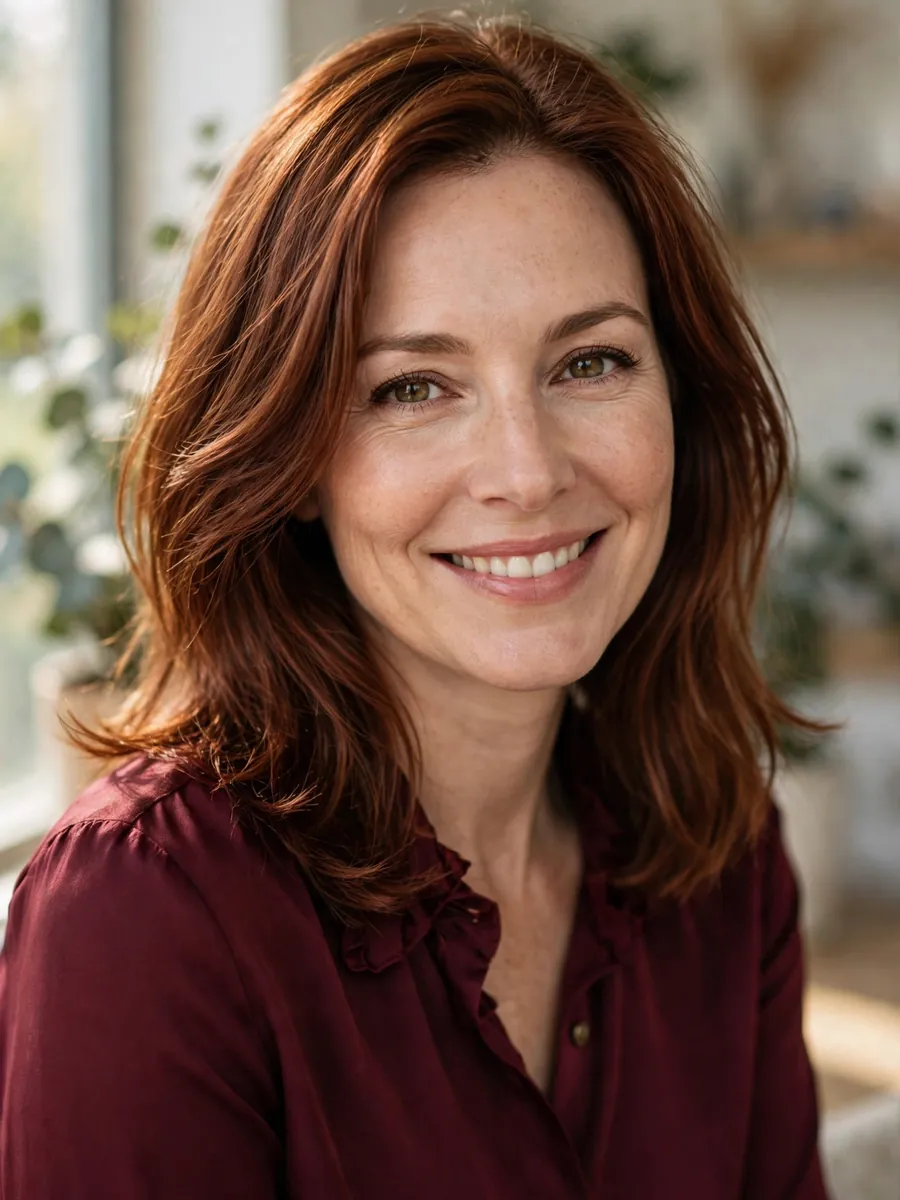

Diane wrote to me with a sentence I cannot forget. I moved abroad alone at 64, she wrote, and my family heard a goodbye I never said. She had announced it at Sunday lunch, sold her house in four months, and landed in a small coastal town with two suitcases and a phrasebook. Her family heard abandonment. She meant beginning.
Moves like hers unsettle families because they scramble the script. A mother is supposed to move closer, smaller, quieter. Moving further, bigger and braver reads like a verdict on the life she had, even when it is not one.
Diane shared the 10 things she wishes her family had understood, for every woman dreaming a similar dream and every adult child trying to love a parent through it.
Quick Tips Before You Start
Diane asked me to start with the five misunderstandings that caused the most hurt after she moved abroad alone at 64, so families reading this can skip them entirely.
- It was not about escaping them: She left a postcode, not her people. The distinction mattered enormously to her.
- Worry is not the same as support: Weekly warnings about safety landed as doubt in her competence, every single time.
- Her silence in the first month was overwhelm, not rejection: New language, new systems, new streets. She was busy surviving, not snubbing anyone.
- Visits beat verdicts: One visit from her son repaired more than a year of tense phone calls.
- She is still their mother: Distance changed the logistics of love. It did not change the love.
1. I Was Not Running Away From You
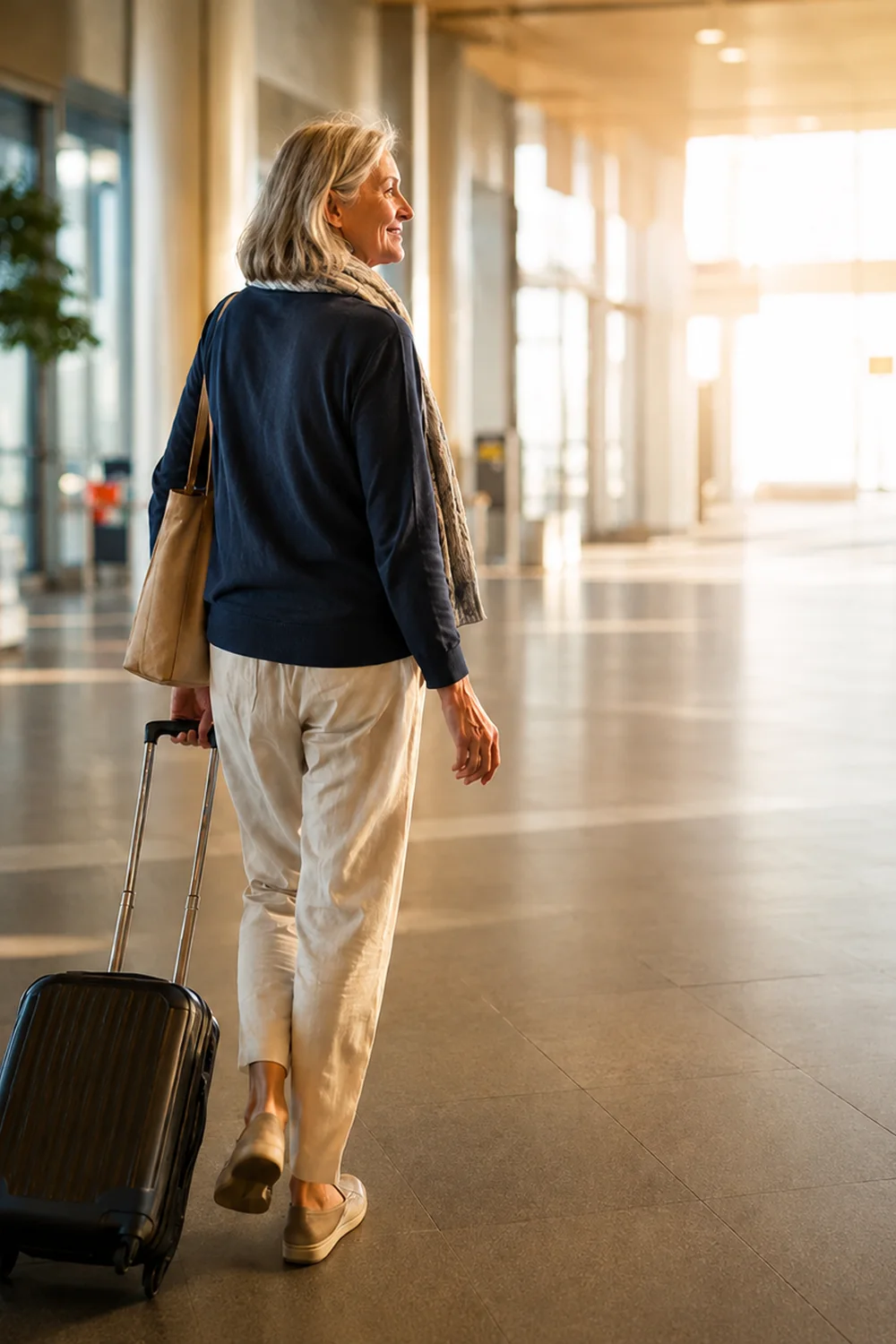
Photo by source page
This is the first thing Diane wishes they had believed. Walking through that airport alone, she was not fleeing her family. She was walking toward a version of her retirement that had sunlight, a small apartment and mornings that belonged to her.
She told me the sentence she rehearsed for months. I am not leaving you, I am just finally going somewhere I chose. Families hear the geography. She needed them to hear the choosing.
Say this: If your parent is planning a move, try saying, Tell me what you are hoping for there. One curious question does more than ten worried ones.
2. I Needed to Prove I Still Could

Photo by Road Scholar
At 64, after a career, a marriage and a widowhood, Diane felt the world quietly reclassifying her as someone whose big decisions were finished. Moving countries was her rebuttal. New language, new bureaucracy, new streets, handled alone, proved she was still fully herself.
She wishes her family had understood that the challenge was the point. Comfort would not have healed the feeling of being shelved. Difficulty, chosen difficulty, did.
Remember: Competence is a need, not a luxury, at every age. When an older parent chooses something hard, consider that the hardness may be the medicine.
3. A Slow Coffee Alone Is Not Loneliness

Photo by source page
Her daughter saw the photo of her at a cafe, alone with a coffee, and called in a panic about loneliness. Diane had to explain that a slow coffee in a new town square, watching life go by in another language, is one of her great pleasures now.
Solitude chosen is not the same as loneliness suffered. She has lonely moments, she admits freely, usually on Sunday evenings. But the cafe hour is joy, and she wishes her family could tell the difference without her performing happiness for the camera.
Watch out: Do not diagnose loneliness from a photograph. Ask instead, What was that morning like for you, and listen for the real answer.
4. I Am Allowed to Love a New Place

Photo by source page
Every delight Diane expressed about her new town seemed to land on her family as a comparison. The bread is wonderful sounded like home was deficient. The light is golden sounded like a complaint about every winter they had shared.
She wishes they had understood that loving a new place is not a review of the old one. Her heart, she says, turned out to have more than one home in it, the way it had room for more than one child. When she moved abroad alone at 64, she was adding, not replacing.
Say this: When she praises her new home, answer the praise itself. That sounds beautiful, Mum, tell me more. It costs nothing and it heals a lot.
5. Packing My Life Into Boxes Was Grief and Freedom Together

Photo by EV Moving
Nobody in her family saw the packing. She did it alone over six weeks, holding forty years of objects and deciding, item by item, what a new life gets to carry. It was grief, undeniably. It was also the most clarifying thing she has ever done.
She wishes they had understood why she declined their help and their horror in equal measure. Some sorting is private. Letting go of a husbands tools and a childrens height chart on the doorframe cannot be supervised kindly, it can only be done alone, at midnight, crying and laughing.
Remember: If a parent packs alone, it may not be stubbornness. Some goodbyes need privacy the way some conversations need witnesses.
6. This Small Apartment Is Not a Sad Ending

Photo by source page
Her son visited the one bedroom apartment and went quiet in the way that means pity. Diane wishes he had seen what she sees. Everything within reach, no stairs plotting against her knees, a balcony with morning sun, and a life sized exactly to her energy.
Smaller is not lesser at this stage, she insists. It is edited. The apartment is not where her life shrank. It is where her life became portable, affordable and entirely hers.
Try this: On a visit, name three specific things you like about the new place before you mention one thing you worry about. The order changes the whole conversation.
7. A Video Call Is Real Closeness, If We Use It Well
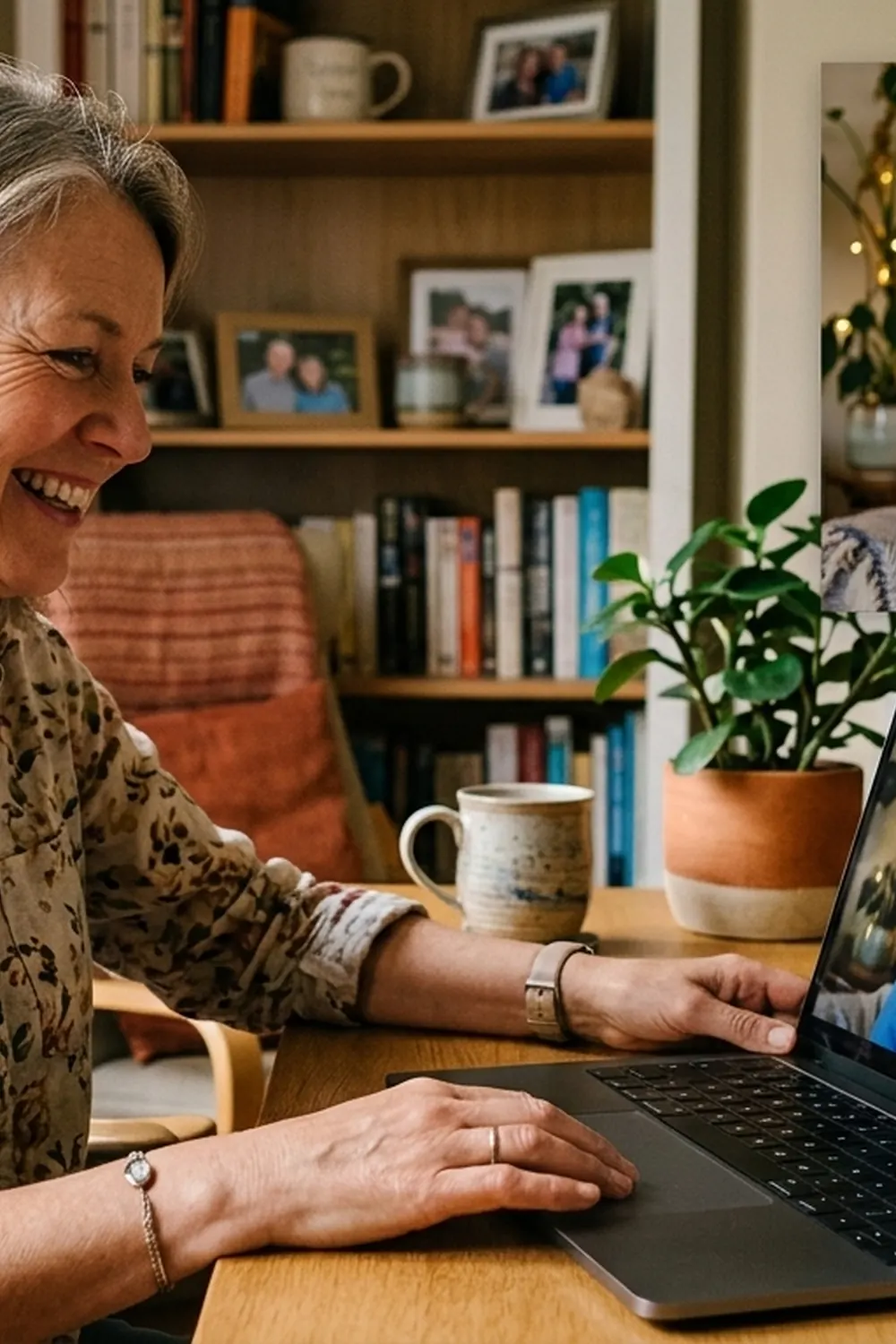
Photo by AllEvents
The weekly video call became the spine of their family life, but only after they learned to use it well. Early calls were interrogations about health and safety. Good calls, Diane says, include ordinary things, a new recipe, a grandchild drawing held up to the camera, the view from her balcony.
She wishes her family had understood that she does not need rescue themed calls. She needs her people, being their normal selves, in her kitchen by screen while she cooks. Ordinary is what distance steals, so ordinary is what they now deliberately share.
Try this: Prop the phone up and cook the same meal on two continents. Shared ordinary time builds more closeness than any amount of checking in.
8. Learning a Market Is Learning a Life

Photo by PCRM
The market is where her new life actually assembled itself. The tomato lady learned her name. The bread man saves her the corner loaf. Learning the words for cheese, onion and thank you was not errands, it was citizenship, one stall at a time.
She wishes her family understood how much courage the market took in month one, and how much belonging it gives her now. When she says the town feels like home, she is thinking of the market more than the apartment.
Remember: Belonging is built in transactions and greetings, not grand gestures. Ask about her market people by name and watch her face light up.
9. Strangers Here Have Become Kind Neighbors

Photo by Swyp My Trip
Her family pictured her anonymous in a foreign crowd. The reality is a web of small kindnesses. The neighbor who waters her plants, the pharmacist who walks her through forms, the cafe owner who keeps her table. Help found her, she says, because need makes people honest quickly.
She does not pretend these bonds replace family. She wishes her family would stop hearing them as competition. Every kindness she receives abroad is one less emergency that lands on her children, and she counts that as love in practical form.
Watch out: Jealousy about a parents new community is natural and worth resisting. Their local kindnesses protect the whole family, including you.
10. On Quiet Trains, I Miss You and I Am Still Glad I Came
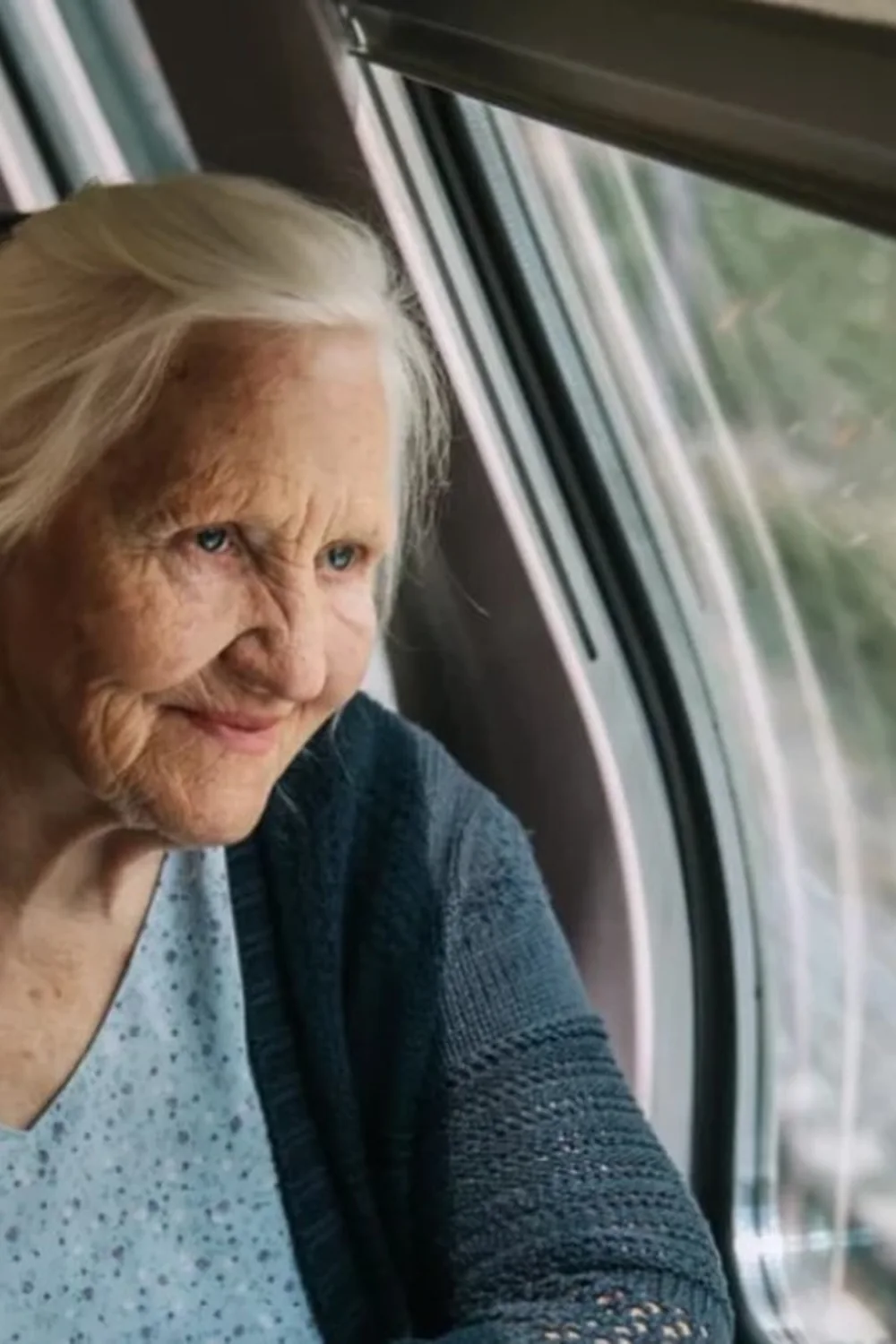
Photo by Kobieta
Diane saved the truest thing for last. On trains between her town and the city, watching a foreign countryside slide past, she misses her family with a clean, sharp ache. Both things are true at once. She misses them, and she has never once wished the move undone.
She wishes her family had understood that missing them was never evidence the move was wrong. A woman who moved abroad alone at 64 can hold grief in one hand and gratitude in the other, and walk steadily. Most mothers, she notes, have been doing exactly that their whole lives.
Say this: Tell her, I miss you, and I am proud of you, in the same sentence. Holding both truths is the whole gift she is asking for.
Frequently Asked Questions
Is moving abroad alone in your sixties safe?
It can be, with ordinary preparation. Diane chose a town with good healthcare, learned key phrases before she arrived, kept documents organized and built a local contact list fast. Safety came from systems and neighbors, not from staying home.
How often should families call after a parent moves abroad?
A predictable weekly rhythm beats constant checking. Diane and her children settled on a Sunday video call plus casual messages in between. Predictability calms worry on both sides, because nobody is reading meaning into silence.
What if my parent moved abroad alone at 64 and I still feel hurt?
Name the feeling honestly, to yourself first and then, gently, to them. Many adult children feel quietly replaced or worried about future care. Those feelings deserve a real conversation, ideally in person on a visit, not a slow build up of resentment across an ocean.
Can a move like this actually improve family relationships?
Diane says theirs improved. Distance ended daily friction about small things, visits became deliberate and joyful, and her children report that seeing her brave made them braver. It does not work for every family, but resentment is usually about unspoken fears, and those can be spoken.
Further Away, Not Far Apart
Take one small action step today. If you are the parent, write down the one thing you most wish your family understood, in a single kind sentence, and send it. If you are the adult child, ask one curious question about the new life and listen to the whole answer. Diane, who moved abroad alone at 64, swears that single sentence and single question rebuilt her family peace.
For the family side of stories like this, read about why adult children feel guilty visiting parents and what to do when an adult child no longer see eye to eye with you. Love, it turns out, travels well. It just needs forwarding addresses for the heart.